

Get Rid
of Sun Spots & Prevent New Ones | NIVEA
What Are
SUN SPOTS?
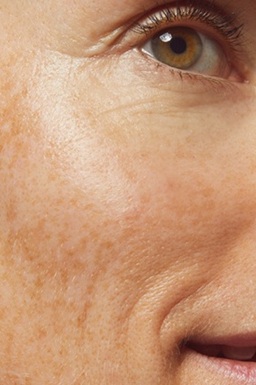
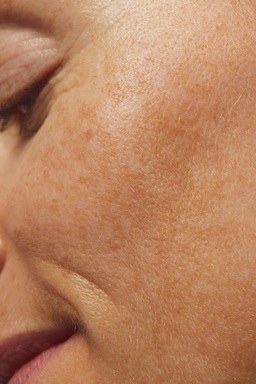
Sun spots are common dark patches that develop on areas of the skin frequently exposed to sunlight, such as the face, hands, and décolletage. While they are a natural part of skin ageing, their appearance can be influenced by daily habits and sun exposure1. This guide explores what sun spots are and how you can care for your skin to help reduce and prevent them.
OF SUN SPOTS
Sun spots can appear for a variety of reasons, and understanding these factors can help you take preventative steps to reduce new spots while caring for existing ones.
Repeated sun exposure stimulates melanin production, gradually creating visible sun spots on the skin. These spots form due to the accumulation of excess melanin in targeted areas. Protecting your skin daily with SPF can help reduce the risk of new spots forming.
As skin matures, its natural repair processes slow down, making it more prone to excess melanin accumulation, which can lead to persistent pigmentation and visible sun spots. Gentle daily care can help support more even-looking skin as it ages.
Pollution, harsh weather conditions, and exposure to toxins can increase oxidative stress, which may affect melanin production and lead to changes in skin pigmentation. Protecting the skin from external aggressors and following a consistent skincare routine can help maintain an even complexion.
Your skin type and genetic makeup can influence how melanin is distributed, making some people naturally more prone to sun spots. Knowing your skin’s natural tendencies can help you care for it gently and consistently.
Quick Facts About Sun Spots
Causes of Sun Spots: They may develop due to UV exposure, natural ageing, environmental stress, and genetics, affecting melanin production.
Sun Spot Care Options: Targeted products containing active ingredients such as Thiamidol, SPF products, and exfoliants can help reduce the appearance of visible sunspots.
Sun Spot Prevention Tips: Applying sunscreen daily, using skincare products containing Thiamidol and antioxidants, and wearing protective clothing can help prevent new spots from appearing.
Common Sun Spot Areas: Sun spots often appear on the face, hands, arms, décolletage, legs, and upper back, where skin is most exposed to sunlight2.
FOR SUN SPOTS ON SKIN
Sun spots often form on areas of the skin that receive the most sunlight. Being aware of these common zones helps you focus on gentle prevention and consistent care.
- Face:
The face is particularly prone to sun spots because it is frequently exposed. Sun spots on the face often appear on the forehead, cheeks, nose, and around the eyes, where the skin is delicate and more sensitive to UV rays.
- Hands:
The backs of the hands are often uncovered and receive regular sun exposure, making them a common place for brown sun spots to develop.
- Arms:
Forearms and the outer arms are often exposed during outdoor activities, which can lead to the formation of sun spots over time.
- Décolletage:
The upper chest area, or décolletage, is another area where sun spots may appear, especially for those who wear low-neckline clothing or spend time outdoors without protection.
- Legs:
Shins and calves can develop sun spots when exposed to sunlight during outdoor activities such as walking, cycling, or sunbathing.
- Back:
The upper back, particularly in people who spend long periods outdoors without sun protection, can also be prone to sun spot formation.


PREVENT SUN SPOTS
Prevention is one of the most effective ways to help maintain more even and radiant-looking skin. Gentle, consistent daily care may protect against UV damage and can help slow the formation of new sun spots on your face and body.
- Daily SPF Protection:
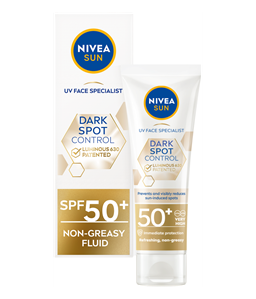
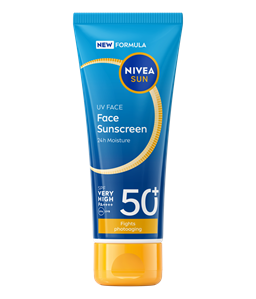
Sunscreen helps protect delicate facial skin from harmful UVA/UVB rays, a key cause of sun spots. NIVEA SUN UV Face Specialist Spot Control SPF 50+ provides immediate UV protection and helps prevent and visibly reduce sun-induced spots thanks to patented Luminous630. Its light, non-greasy formula with Hyaluronic Acid and vitamin E leaves skin feeling smooth and refreshed. Suitable for daily use on the face, neck, and décolletage, and for all skin types, including sensitive skin3.
UV Spot Control SPF50+ - Protective Clothing and Shade:
Wearing wide-brimmed hats, scarves, sunglasses, and long sleeves reduces UV exposure. Seeking shade during peak sun hours adds an extra layer of protection against pigmentation and helps maintain more even-looking skin3.
- Antioxidant-Rich Skincare:
How to reduce sun spots
on the Face and Body
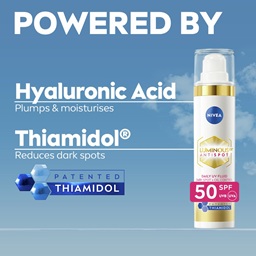
Targeted care can help reduce the appearance of existing sun spots while supporting the skin against new ones3. Thiamidol®, a key ingredient in NIVEA Luminous630 products, works at the source of pigmentation to reduce dark spots and promote a more even, luminous-looking complexion.
By following a structured routine with gentle, effective products, you can help maintain even skin and improve the overall appearance of sun spots on the face and body.
SUN SPOTS ON THE FACE
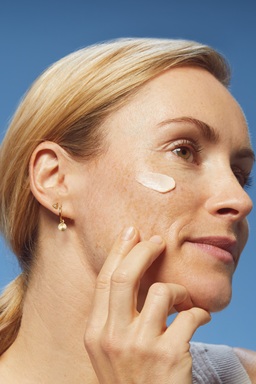
Start your routine with a gentle cleanse. Cleansing helps remove impurities, excess oil, and environmental pollutants, creating a clean base for the steps that follow. It also prepares the skin to better absorb the benefits of the following products.
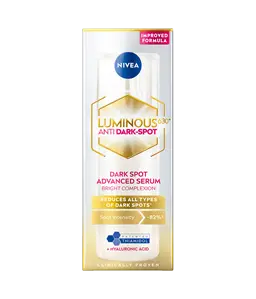
After cleansing, apply a treatment serum to areas with visible sun spots. Targeted serums are formulated to work more intensively on pigmentation concerns. NIVEA Luminous630 Advanced Anti Dark-Spot Serum reduces all types of dark spots and helps prevent the appearance of new spots, supporting a more even and luminous-looking complexion.
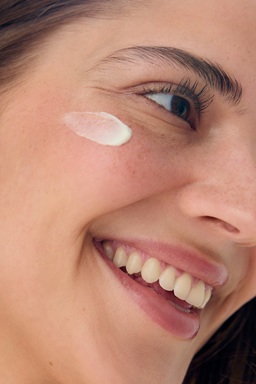
Hydration and sun protection are essential when caring for pigmentation. Moisturising helps maintain skin elasticity and barrier function, while daily use of products containing SPF may help protect against UV rays, a key contributor to sun spots.
NIVEA Luminous630 Anti Dark-Spot Daily UV Fluid SPF50 is a lightweight, hydrating day fluid containing Thiamidol®, Hyaluronic Acid, vitamin E, and UVA/UVB filters. It helps visibly reduce sun spots while providing high sun protection. Use Thiamidol®-containing products up to a maximum of four times per day.

For those seeking extra coverage and colour correction, a tinted formula can help provide a more even-looking finish. NIVEA Luminous630 Tinted CC Fluid SPF30 is available in light, medium, or dark, and helps cover visible sun spots while providing subtle radiance and sun protection.
Tip: Although the day care contains UV filters, it does not provide all-day protection, especially in cases of higher sun exposure. For prolonged exposure, complement your day care with sun protection such as NIVEA SUN UV Specialist Silky UV Stick Sun Cream, which is easy to carry and use on the go. Reapply every two hours, especially after swimming or sweating, to maintain protection and support the effectiveness of your routine5.

SUN SPOTS ON THE BODY
Sun spots can also develop on areas of the body that are frequently exposed to the sun, such as the arms, legs and décolletage6. A consistent body care routine can help address visible pigmentation while keeping skin moisturised.
Apply a body cream or oil-serum to areas such as arms, legs and décolletage after your shower or bath. Targeted body care products help support the skin’s radiance while keeping it hydrated.
NIVEA Luminous630 Anti Stretch Mark & Dark Spots Cream helps reduce the appearance of sun spots and stretch marks while supporting a more even-looking skin tone. Its hydrating skincare formula leaves your skin feeling soft and nourished for longer.
Hands are often exposed to sunlight and may develop sun spots over time. Including hands in your daily routine helps support ongoing care beyond the face. NIVEA Luminous630 Anti Dark-Spot Hand Cream SPF15 helps protect against sun-induced dark spots while keeping the skin hydrated, even-toned, and radiant.
Summary
Sun spots, also known as solar lentigines or liver spots, develop when excess melanin builds up in areas frequently exposed to sunlight. They typically appear as flat, brown, or dark patches and may become more noticeable over time. These spots are usually harmless, but if you are unsure about the nature of a spot, do not hesitate to consult a doctor.
However, sun spots can affect the overall appearance of your skin. With consistent care, including daily SPF protection and targeted skincare, you can help reduce their appearance and support a more even-looking, radiant complexion.
FAQs
Related
Articles




SOURCES
Sources :
- Solar lentigo (Concept Id: C0036651) - MedGen - NCBI. Nih.gov.
https://www.ncbi.nlm.nih.gov/medgen/48619 (accessed 2026-05-22). - Ghazal Mardani; Nasiri, M. J.; Namazi, N.; Mehdi Farshchian; Fahimeh Abdollahimajd. Treatment of Solar Lentigines: A Systematic Review of Clinical Trials. Journal of Cosmetic Dermatology 2025, 24 (4).
https://doi.org/10.1111/jocd.70133. - Gabros, S.; Zito, P. M. Sunscreens And Photoprotection. Nih.gov.
https://www.ncbi.nlm.nih.gov/books/NBK537164/. - Darr, D.; Dunston, S.; Foust, H.; Pinnell, S. Effectiveness of Antioxidants (Vitamin C and E) with and without Sunscreens as Topical Photoprotectants. Acta Dermato-Venereologica 1996, 76 (4), 264–268.
https://doi.org/10.2340/0001555576264268. - American Academy of dermatology Association. Sunscreen FAQs. www.aad.org.
https://www.aad.org/media/stats-sunscreen. - Cleveland Clinic. Freckles: What They Are, vs. Moles, Causes & Removal. Cleveland Clinic.
https://my.clevelandclinic.org/health/articles/23091-freckles.