How to prevent
Night Sweating
How to prevent
night sweats
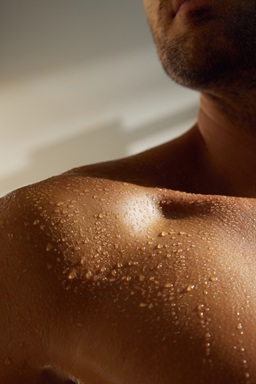
How much you sweat at night varies for everyone. But when you experience regular periods of excessive sweating while you are sleeping, we call it night sweating. It can be unpleasant and disruptive. Sweating too much at night can affect your sleep and your daily life. Regularly waking up with damp sheets and unpleasant odours can also be concerning.
Although night sweating is usually nothing to worry about, it's a good idea to look into why you might be sweating excessively at night. Below we look at the causes of night sweating, how you can help prevent night sweating, and how to deal with hot flushes and excessive perspiration at night.
night sweating?
Sweating is the way your body regulates its core temperature. That's why you sweat when the outside air is warm or when you're exercising. You can also sweat for other reasons, such as when you're nervous, stressed or unwell.
There are various causes of excessive sweating during sleep and many of us will have the occasional hot, sweaty night – it could be a warm night, or perhaps you're dressed too warmly or lying under a thick duvet. Frequent periods of excessive sweating during sleep, where you wake up and the sheets and bedding are soaking wet, are different and there can be various underlying causes of these regular periods of night sweating.
The causes of excessive sweating at night can be short term (such as a fever), but others, such as the menopause, cause night sweating over a longer period.

What are the symptoms of
night sweating?
Common reasons for
night sweating
Both alcohol and coffee are stimulants and can increase your heart rate, which raises your body temperature.
Women who are going through the menopause, or are about to, may experience night sweating. Changes in the production of the hormones oestrogen and progesterone in the body are thought to cause excessive sweating and hot flushes.
Most women in the menopause or perimenopause – the transitional period before the menopause – experience hot flushes. Hot flushes during the menopause occur throughout the day and usually last a few minutes. They also occur at night and can disrupt your sleep.

Hyperhidrosis is a sweating condition where your body sweats even though it doesn't need to cool down. Excessive sweating can be aggravated by certain factors, such as being overweight, alcohol consumption, conditions such as diabetes or an overactive thyroid, the menopause and certain medications.
For most of us, excessive sweating is nothing more than a harmless inconvenience, but in some cases night sweating can be a sign of an underlying condition. If you regularly wake up drenched in sweat, have other symptoms such as weight loss, fever or pain over a prolonged period, or if night sweating is disrupting your sleep, see your doctor.
You may have an elevated body temperature when your body is fighting an infection. A fever should not last longer than a night or two.
Certain medications can cause excessive sweating while you sleep. The most common are:
- Antidepressants
- High blood pressure medications
- Hormone therapy medications
If you think your medications may be causing night sweating, contact your doctor.

The hypothalamus, the part of the brain that regulates body temperature, is also involved in the endocrine system that regulates hormone levels. A disruption of the endocrine system therefore affects the body's temperature regulation mechanism. Hormonal problems that can cause night sweating include hyperthyroidism – overactivity of the thyroid gland – or diabetes.
Stress can cause excessive sweating during the day (sweaty palms and damp armpits are common) and this also applies at night. When you're stressed, your body releases the stress hormones adrenaline and cortisol, which trigger a 'fight-or-flight' response and activate your apocrine glands – sweat glands in the armpits and groin – to start sweating.
Why do I have night sweats
during my period?

Some women experience night sweating before or during their menstrual cycle. This is due to hormonal fluctuations that are a normal part of a menstrual cycle. During menstruation, progesterone levels increase, causing oestrogen levels to drop. This imbalance affects the hypothalamus, the part of the brain that regulates the body's internal temperature. This leads to a response in the brain to tell your body that it needs to cool down.
Because sweating is your body's way of regulating temperature, this response can cause hot flushes or night sweating. Sometimes this continues during your period, but it should be over after a few days.
What causes
night sweating in men?
Just as hormonal imbalance in women can lead to night sweating, low testosterone levels in men can also cause excessive sweating while sleeping. As men age, testosterone levels naturally decline. Night sweating can occur if testosterone levels drop faster than normal. Increased body fat, erectile dysfunction and decreased libido can also be symptoms of night sweating in men over 40.
Night sweating can also be a symptom of sleep apnoea – when you stop breathing in your sleep – in men. If you're excessively tired during the day, wake up frequently at night – perhaps gasping for breath – or if you snore, consult your doctor.

How to prevent
night sweating
Just as there is no single reason for night sweating, there is also no single remedy for excessive sweating. It's important to rule out that night sweating is a symptom of a serious condition, so if you're worried, or if night sweating is interfering with your sleep and daily life, see your doctor.
There are a few ways you can reduce the effects of night sweating:
- Sleep in a cooler room with the window open
- Consider a breathable mattress that doesn't trap heat
- Choose breathable cotton sheets instead of synthetic fibres
- Change your bedding regularly – at least once a week. Dead skin cells and dirt can reduce the breathability of your sheets and duvet
- Wear loose-fitting sleepwear made from natural fibres such as cotton or linen
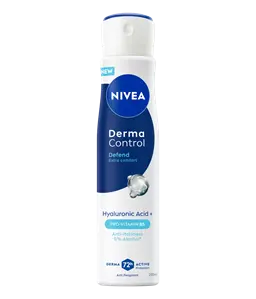
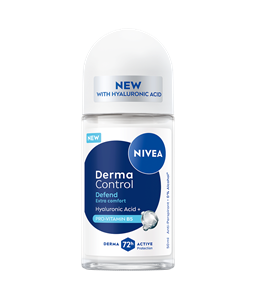
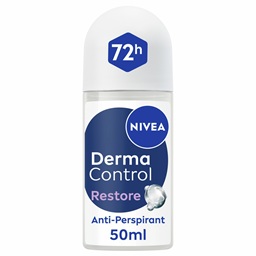
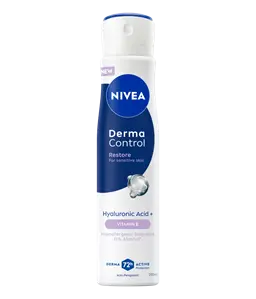
- Shower before going to bed and use an antiperspirant

Are there treatments for
excessive night sweating?
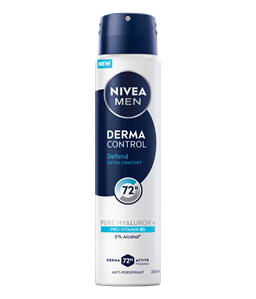
Applying an antiperspirant before going to bed can help reduce sweating. Antiperspirants block the sweat channels, causing you to sweat less. You can apply antiperspirant to your armpits and, if you're using a spray, to your upper body.
Discover our range of antiperspirant deodorants, including deodorants suitable for sensitive skin, unscented options, and stick, spray or roll-on formats, all designed to help keep you dry and comfortable.