Discover our
BODY SUNSCREEN


NIVEA SUN Body
FAQs
Using sunscreen every day helps protect your skin from harmful UV rays, which can cause long-term damage like premature ageing, dark spots, and an increased risk of skin cancer.
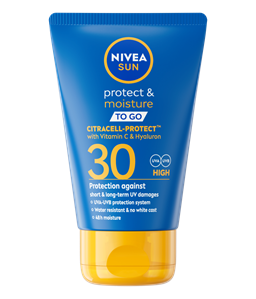
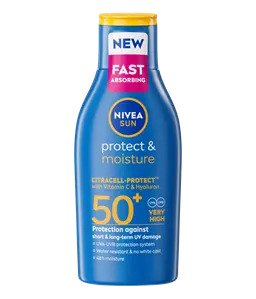
Facial sunscreens are usually lighter and formulated to address specific facial skin concerns, while sunscreens for your body tend to have a thicker consistency and offer broader coverage. Additionally, body sunscreens are usually water and sweat resistant, while face sunscreens often prioritise a non-greasy finish and make-up compatibility, typically offering less water and sweat resistance. However, the innovative water-resistant formula of NIVEA SUN Protect & Moisture SPF50+ absorbs in seconds and doesn’t leave a white cast, giving you powerful UV protection without compromising on comfort.
Sunscreen lotion has a lighter consistency and absorbs quickly. Meanwhile, sunscreen cream tends to have a thicker consistency. The formulas from NIVEA SUN are always light and quickly absorbing, so you can get back to enjoying your time in and out of the sun.
Yes, there are various forms including mineral sunscreen, sunscreen sticks, sunscreen lotions, and sun creams that cater to different preferences and skin needs.
You can often tell the difference between sunscreens by their composition, intention and format.
Composition
- Mineral sunscreens – Contain physical UV blockers that sit on the skin's surface and reflect UV rays immediately, and are less likely to irritate sensitive skin.
- Chemical sunscreens – Contain organic compounds that absorb UV rays and convert them into heat, have a lighter texture, and may cause irritation for sensitive skin types.
Intention
- For face – To protect the delicate facial skin, these sunscreens are formulated to be lightweight, non-comedogenic (don’t clog pores), and suitable for sensitive skin. They also often include skincare benefits like hydration, anti-ageing ingredients, or a matte finish.
- For body – For your body, sunscreens are usually thicker, may lack specialised skincare ingredients and can feel heavier or greasier on facial skin.
Format
- Lotions – These tend to be lightweight, easily spreadable, and suitable for large areas of the body. They are ideal for daily use and normal to oily skin types.
- Creams – Creams are thicker and more hydrating, making them ideal for dry or sensitive skin and a great choice for use in colder weather.
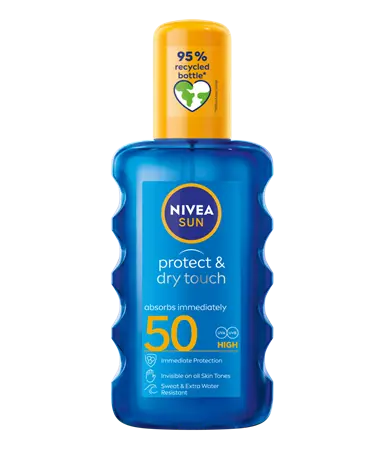
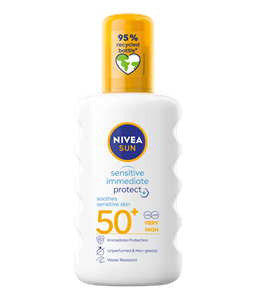
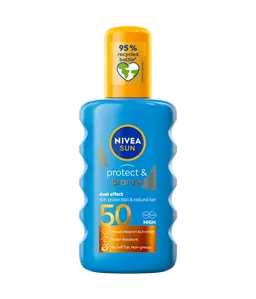
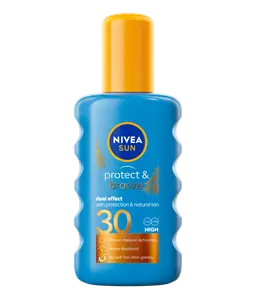
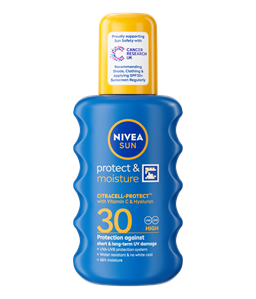
- Sprays – This format is more convenient and offers a quick way to apply sunscreen, especially for hard-to-reach areas.
- Sticks – These have a solid consistency and are perfect for targeted areas like your face or hands. As they offer a mess-free and portable solution, they’re great for reapplication on the go.
Reapply every two hours, especially after swimming, sweating, or towel drying, to make sure you stay protected.
The new NIVEA SUN Protect & Moisture SPF50+ is light, fast-absorbing, and leaves no white residue while providing 48h moisture, making it perfect for you to wear every day.
Sunscreen typically lasts around two years, but always check the packaging for specific expiry information. Make sure you store it properly to maintain its effectiveness.