How To Get Rid of
Skin Blemishes?
What are
Skin Blemishes?
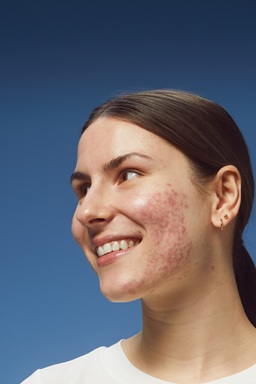
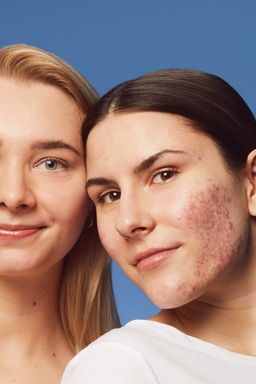
People often find they experience pimple breakouts across their faces. However, some people experience spot breakouts across their back or even their chests. In these cases, it's a good idea for you to seek medical advice as you may have moderate to severe acne that could benefit from a targeted acne treatment.
Different types of
Blemishes:

- Pimples:Small, inflamed spots that develop due to the buildup of oil, dead skin cells, and bacteria in clogged pores, leading to swelling and redness.
- Whiteheads:
These are small, white bumps that form when pores are clogged with oil and dead skin cells. Whiteheads remain closed at the surface of the skin and are typically not inflamed.
- Blackheads:
These are small, clogged pores, which can be black or yellow in colour. Blackheads can become inflamed if picked, so it's advisable for you to put your tweezers away and opt for a good cleanser instead.
A blemish could also refer to any skin imperfection, including dark spots, melasma, and acne marks. However, these have different causes and treatments than breakout types of blemishes, so it's important for you to follow specific advice tailored to them and choose skincare for acne prone skin that suits your needs.
5 Main causes of
Blemishes
- Excess Oil Production:
Your skin naturally produces an oily mixture (sebum) to keep itself moisturised. However, overproduction of sebum, especially during hormonal changes or stress, can clog the pores and cause pimples. When pores clog with excess oil and dead skin cells, bacteria thrive. Their growth triggers inflammation, causing redness, swelling, and bigger pimples to form.
- Hormonal Changes:Blemishes may sometimes be linked to a shift in hormones, which is why people will often experience their first bout of pimple breakouts during their teenage years. It's important to note that it can occur at any point in your life. They can increase around your period, or even when you're feeling stressed. This can increase oil production and trigger breakouts.
- Genetics:Genetics may influence spot breakouts by affecting oil production, inflammation response, hormone regulation, and bacterial defence, impacting pimple development and severity.
- Environment:If you live or work in a city, your skin is likely to be exposed to pollution, dust and dirt. This can stick to your face and block your pores – so it's very important to wash your face at the end of every day.
- Diet:A diet high in refined sugars, processed foods, and dairy may increase inflammation and oil production, leading to clogged pores and blemishes. Additionally, certain foods may trigger hormonal imbalances, which can worsen blemishes and other skin issues.
4 Tips for reducing
Skin Blemishes

- Diet and Hydration:While the connection between diet and pimples is still debated, many people find that reducing sugar and dairy can help. Drinking plenty of water can also help to keep your skin hydrated, which may improve your skin's overall condition.
- Regular Cleansing:Keep your face clean by washing twice a day with a gentle cleanser. Avoid scrubbing too hard, as this can irritate the skin and make skin blemish symptoms worse, especially if you already have acne prone skin.
- Stress Management:Stress can trigger pimples for some people. Practices like yoga, meditation, or regular exercise can help keep stress levels in check.
- Sun Protection:
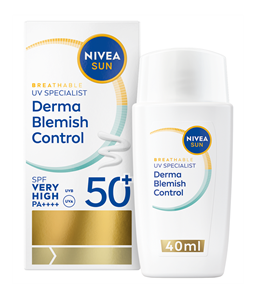
Sunscreen helps protect your skin from UV rays that can worsen pimple scars and inflammation. Opt for a light, non-greasy sunscreen such as the NIVEA Sun UV Face Specialist Derma Skin Clear SPF50+. Its formula, developed for normal, oily and blemishe-prone skin, is enriched with NIVEA's Anti-blemish Complex and Niacinamide. Thanks to these ingredients, combined with UVA/UVB filters and other ingredients in the formula, it helps to protect the skin and prevent blemishes by absorbing excess oil from the skin surface, leaving an 8-hour* matte effect as part of your daily skincare for oily acne prone skin.
*Instrumental test, 35 volunteers
Can you reduce marks that form on
Blemish Prone Skin?
Post-blemish marks, including dark spots and hyperpigmentation, can linger after blemishes heal due to inflammation and melanin production.
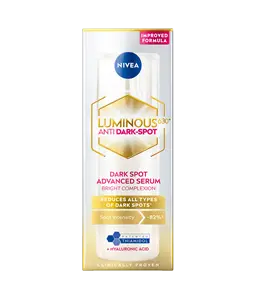
Reduce the appearance of post blemish dark marks with the help of the NIVEA Cellular Luminous630 Anti Dark-Spot Post-Acne Marks Serum. It contains Luminous630 to reduce and lighten post-acne marks, Salicylic Acid for exfoliation, Hyaluronic Acid for hydration, and Green Tea Extract to help with sebum balance as part of your personal skincare routine for acne prone skin.
Blemish-Prone Skin
Causes of Blemishes: Excess oil production, clogged pores, bacteria, and inflammation.
Helpful Ingredients: Salicylic Acid, Niacinamide, Glycolic Acid, Hyaluronic Acid, Pro-Vitamin B5, Vitamin C, and Tea Tree Oil.
Prevention Tips: Keep a balanced diet, stay hydrated, and avoid face-touching. Use sunscreen daily to prevent the appearance of marks due to hyperpigmentation and support any acne treatment you might be using.
Skincare Routine for
Blemish-Prone Skin
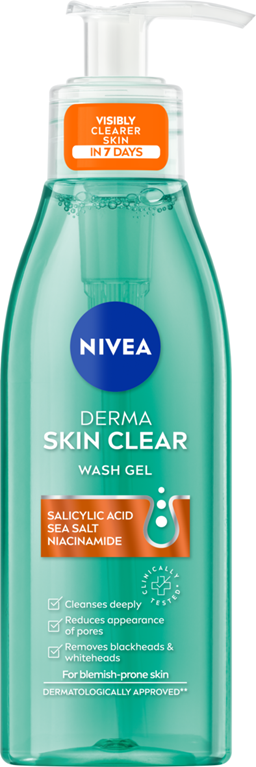
Start with a gentle cleanser, the NIVEA Derma Skin Clear Wash Gel is especially formulated for blemish prone skin. With Salicylic Acid and Niacinamide, it deeply cleanses, purifies pores and removes excess oil.
Gently massage the cleanser onto damp skin using circular motions, then rinse thoroughly with lukewarm water. Avoid harsh scrubbing, as it can irritate the skin and worsen pimples. Making this your first step in a simple skincare routine for acne prone skin can really help you feel more in control of your complexion.

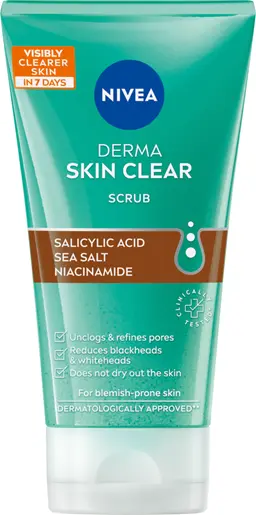
The NIVEA Derma Skin Clear Anti-Blemish Scrub can be used 2-3 times a week. Apply a small amount to damp skin, gently massage for 1 minute, then rinse to remove dead skin cells and unclog pores for smoother, clearer-looking skin.
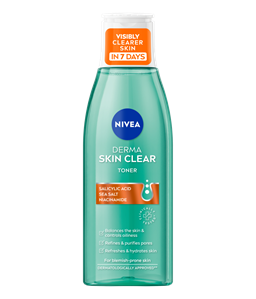
Apply a toner formulated for blemish-prone skin using a cotton pad or your fingertips. Look for ingredients like Salicylic Acid or Witch Hazel, which can help unclog pores and reduce inflammation. This step can slot easily into any simple skincare routine for acne prone skin.
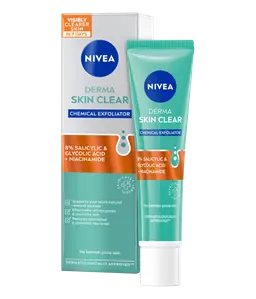
This helps to remove dead cells by breaking the ties that bind them together, to unblock the pores and support the skin's natural renewal process. For the evening routine, opt for the NIVEA Derma Skin Clear Night Exfoliator and leave on overnight. Enriched with Salicylic Acid, Glycolic Acid and Niacinamide, it helps to clear your skin complexion in just 7 days*.
Although it is intended for daily use, some people may be more sensitive to chemical exfoliation. If this is your case, don't hesitate to space out the applications, particularly at the start of treatment. Listening to your skin is key when you're exploring the best acne treatment and working out how to get rid of acne gently over time.
*Consumer test, 97 volunteers
Find a face sunscreen that works for your skin. The NIVEA SUN UV Specialist Derma Skin Clear SPF 50+ Fluid is a mild non-greasy fluid with Anti-blemish Complex + Niacinamide. It protects the skin and helps to prevent blemishes by absorbing the excess oil from the skin's surface, which makes it a helpful final step in skincare for acne prone skin.
Can different skin types be
Blemish-Prone?
Discover NIVEA Derma Skin Clear - Formulated for
Blemish-Prone Skin

Controlling blemishes can be challenging and might often impact your self-esteem. NIVEA aims to enhance your skincare routine, helping you to feel confident in your skin.
The innovative NIVEA Derma Skin Clear range is designed to help reduce, and prevent the reappearance of, blemishes. Formulated with Salicylic Acid, Niacinamide, and Glycolic Acid, it helps to refine pores and reduce the appearance of blackheads with regular use.
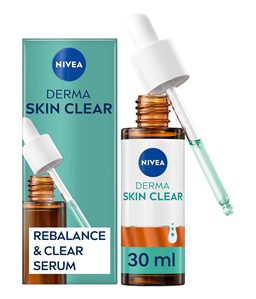
To further support your skincare routine, try the NIVEA Derma Skin Clear Rebalance & Protect Serum formulated with Pro-Vitamin B5, Niacinamide and Hyaluronic Acid. It can help to protect your skin barrier and reduce the reappearance of blemishes. If you're searching for skincare for acne prone skin that combines care and effectiveness, this range can slot easily into your everyday routine.
Always read product instructions carefully.
Summary
Taking care of blemish-prone skin requires understanding your skin type and choosing the right products and routines. Proper facial cleansing, managing skin blemishes, and tailoring your skincare routine to your specific needs—whether oily, dry, or sensitive—are all part of building skincare for acne prone skin that really works for you. Using quality products and finding a good skin care regime will help keep your skin free from impurities, but it can be tough to keep on top of at times.
Remember, if you're experiencing pimple breakouts that last longer than 2 months, or if the severity is having a significant impact on your happiness, you should contact your doctor for further help and advice.