How to Get Rid of Pimples:
Causes, Care and Prevention
Get rid of
pimples
Different types of
pimples include:
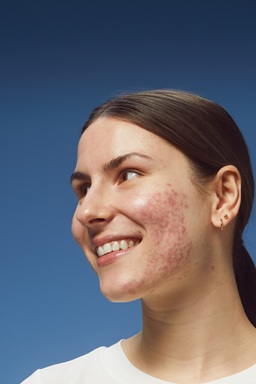
- Papules:Small, red, tender bumps that result from inflamed or infected hair pilosebaceous follicles. They appear red, raised, and are often painful to the touch.
- Pustules:Pimples containing pus that occur when the walls around the pores break down, causing the immune system to respond with white blood cells. They appear as red circles with white or yellow centres, often looking like small blisters.
- Nodules:Large, painful lumps beneath the surface of the skin that result from severe inflammation deep within the skin. They are firm, deep, and painful, without a visible head.
- Cysts:Deep, painful, pus-filled lumps beneath the skin caused by severe inflammation and infection in the deeper layers of the skin. They are large, swollen, and often lead to scarring if not treated properly.
6 common causes of
Pimples

- Excessive sebum productionSebum keeps skin moisturised, but excess sebum can clog pilosebaceous follicles. This can encourage the accumulation of dead skin cells and debris, as well as infections by bacteria responsible for pimple appearance and breakouts.
- Hormonal changesHormonal fluctuations, often associated with puberty, menstruation, pregnancy, or menopause, can increase sebum production, making you more prone to pimples.
- Improper makeup removalImproperly removing makeup can leave pore-clogging substances on the skin overnight, increasing the risk of spots. Additionally, using oily or heavy makeup can contribute to clogged pores and breakouts.
- Environmental factorsWeather changes can disrupt skin balance, and excessive sun exposure can dry out and inflame the skin, leading to more oil production. Additionally, exposure to harsh chemicals and irritants or pollution could encourage blemishes and make it harder if you are trying to figure out what gets rid of spots effectively.
- Pimples due to stressStress can trigger breakouts or worsen existing pimples. The body's stress response increases cortisol levels, which can boost oil production and clog pores, resulting in pimples. Stress-related pimples often appear on the face but can also show up on the neck, chest and back.
- Bacterial transferTouching the face with dirty hands or using dirty phones can transfer bacteria and dirt, which could increase the risk of infections.
4 ways to
Get Rid of Pimples
- Cold compress:If you need to reduce the size and redness of an inflamed pimple quickly, for example when you are looking for how to get rid of pimples fast before an event, use a cold compress. Wrap an ice cube in a clean cloth and hold it against the pimple for 30 seconds to 1 minute. This can help reduce swelling and redness.
- Warm compress:Warm, moist compresses can be used alternately with cold compresses to soften the pimple and promote pore dilation. For this reason, they are generally more suitable for blackheads and whiteheads.
- Tea tree oil:Tea tree oil has antibacterial properties and may help with pimples. However, it's important to use it at an appropriate dilution and only under the advice of a professional aromatherapist. Although natural, essential oils can be irritating to the skin, and some people may experience sensitivity reactions.
- Spot treatment:For targeted treatment, you can visit your doctor to discuss a prescribed spot treatment if you are struggling with how to get rid of pimples and scars that keep coming back.
By following these actions and quick tips, you can reduce the appearance of pimples, helping your skin look clearer and healthier. However, for longer-term clear skin, pimple-prone skin needs regular care. A daily skincare routine specially designed for blemish-prone skin is essential to unclog pores, regulate sebum production, reduce the appearance of pimples and help prevent their appearance. This is the most reliable answer when you are wondering how to get rid of spot flare-ups or how to rid spots on face gently but effectively.
How to
Get Rid of Pimples
Causes:
Clogged pores from excess oil and dead skin promote bacterial growth and inflammation. Hormones, stress, makeup, and environmental conditions can influence sebum production and the appearance of pimples.
Treatment:
Regular cleansing and exfoliation help prevent pore blockage. Skincare products with Salicylic Acid or Niacinamide help to unclog pores and balance sebum production and are key if you want to understand how to eliminate spots on face gently.
Prevention:
Be consistent with your skincare routine, manage stress, eat well, and keep hands and face items clean. Avoid squeezing pimples.
NIVEA derma skin clear routine to
Reduce Blemishes

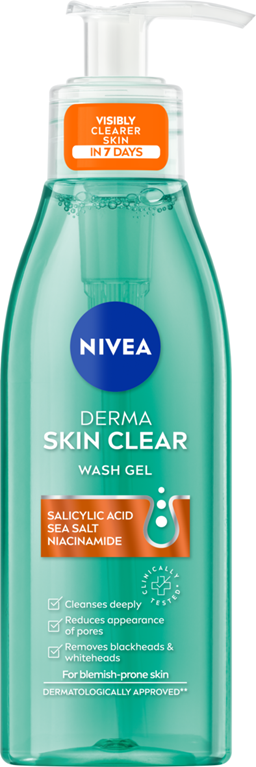
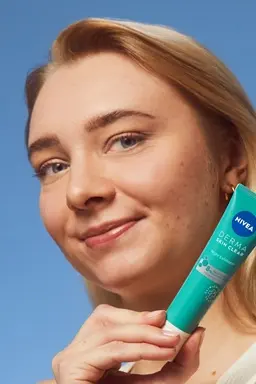
Choose a gentle cleanser to wash your face twice daily, removing excess oil and impurities. The NIVEA Derma Skin Clear Wash Gel offers deep cleansing, helping to clear out pores while removing excess oil. Containing a blend of Salicylic Acid and Niacinamide, it is formulated to reduce and prevent blemishes and can support you if you want to know how to get rid of spot breakouts on your face.
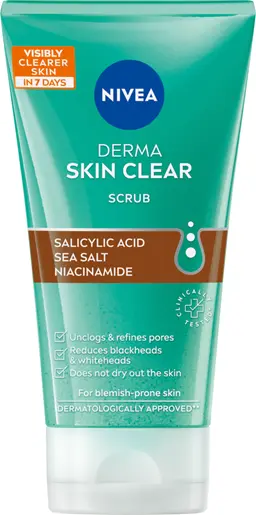
Try a gentle scrub like the NIVEA Derma Skin Clear Anti-Blemish Face Scrub, formulated with Salicylic Acid and Niacinamide to unclog pores and improve skin texture. It's suitable for use 2-3 times a week on blemish-prone skin.
Consider using facial serums with Niacinamide to help address blemishes. Niacinamide is known to regulate oil production, which may reduce the appearance of clogged pores.
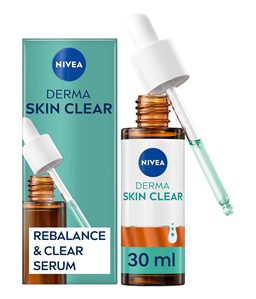
NIVEA Derma Skin Clear Rebalance & Protect Serum contains Pro-Vitamin B5, Niacinamide, and Hyaluronic Acid, working together in a formula to reduce imperfections, soothe the skin, and strengthen its protective barrier while hydrating the skin.

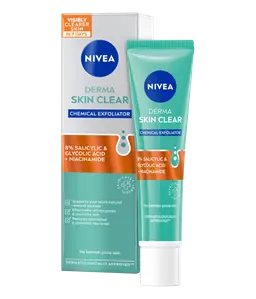
For an evening routine, consider exfoliating as it helps remove dead cells and prevents dirt buildup, so the pores are not clogged. The NIVEA Derma Skin Clear Chemical Night Exfoliator, which is suitable for daily use, supports the natural renewal process of the skin through high concentrations of Salicylic and Glycolic acid. Apply and allow to fully absorb before continuing with any care products.
The UV rays can increase redness and inflammation of breakouts, causing them to become dry and sore. The skin's response to being dried out by the sun is to release more sebum which then leads to clogged pores. Therefore, it is essential to apply a broad-spectrum sunscreen with an SPF of 30 or higher every morning and throughout the day.
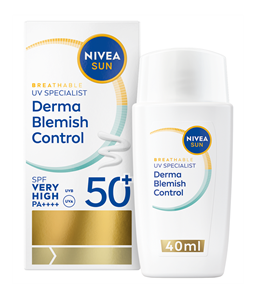
The NIVEA Sun UV Face Specialist Derma Skin Clear SPF 50+ helps to absorb excess oil from the skin's surface while protecting against UVA / UVB-induced skin damage.
NIVEA derma skin clear for
Clearer Skin
Formulated with Niacinamide, Salicylic Acid, and Glycolic Acid, these products work to unclog pores and gently exfoliate the skin, resulting in a smoother, more even complexion. With regular use, skin texture and clarity improve, making this range an ideal choice if you are looking at how to rid spots on face and achieve healthier, clearer-looking skin.
5 ways to
Prevent Pimples

- Consistent skincare routine:Consistently cleansing, toning, and moisturising can help keep pores clear and reduce the risk of pimples. Using non-comedogenic products specially designed for blemished skin helps keep skin radiant without clogging pores and is a key part of how to get rid of pimples and scars over time.
- Manage stress:Incorporating stress-reducing activities such as exercise, meditation, and sufficient sleep can help lower cortisol levels and reduce the likelihood of stress-induced pimples.
- Eat a balanced Diet:A diet rich in fruits, vegetables, and whole grains while avoiding excessive consumption of sugary and oily foods can help maintain healthy skin. Some studies suggest that a low-glycaemic diet may reduce the risk of pimples.
- Avoid touching your face:Keeping your hands away from your face can prevent the transfer of bacteria and dirt to your skin. Additionally, regularly cleaning items that come into contact with your face, such as phone screens, pillowcases and makeup brushes can help minimise breakouts when you are trying to work out how to get spots off your face for good.
- Use sun protection:Exposure to UV rays can damage your skin's natural barrier, leading to increased sebum production and pimple formation. Protect your skin with a non-comedogenic sunscreen to avoid pimple flare-ups, scarring and hyperpigmentation.