Dealing with dead skin:
causes and care routine
What are
DEAD SKIN CELLS?
Dead skin is a natural part of your body’s renewal process. Dead cells often show up as rough, dry or flaky patches on the outermost skin layer. In more severe cases, a build-up can lead to calluses, especially on the soles of your feet. Using different exfoliation techniques can help your skin shed effectively.
After exfoliation, dead skin cells usually have a greyish hue and a flaky appearance.
In this article, you’ll find out what causes dead skin cells, then you’ll discover a simple skincare routine for your face and some easy homemade remedies to remove dead skin cells on your body. Finally, you’ll get some recommended ingredients you can build into your routine to help get rid of dead skin cells.
How does
DEAD SKIN OCCUR?
Over a cycle of around 28 to 42 days, skin cells move from the middle layer (dermis) to the outer layer (epidermis) and then naturally shed, revealing newer ones underneath. This cycle lets your skin repair itself and replace damaged tissue. Sometimes, though, these dead cells don’t fall off as they should, leading to a build-up that can trigger skin problems.
10 causes of
DEAD SKIN
Here are 10 common reasons why dead skin doesn’t shed properly:
- Age
As you get older, skin cell renewal slows down. That means cells shed more slowly and your skin produces less oil, which can cause dryness and a build-up of dead skin.
- Inadequate cleansing
Irregular or improper cleansing can leave oils, sunscreen and make-up sitting on your skin, which can keep dead skin cells hanging around for longer.
- Incorrect exfoliation
You only need to exfoliate once or twice a week, not every day. Exfoliation speeds up the shedding process and lets new skin cells come through more easily.
- Moisturiser misuse
Using the wrong moisturiser for your skin type, or not using enough, can leave your skin dehydrated and trap dead skin cells on the surface.
- Weather and climate
Dry air, cold weather and indoor heating can all parch your skin, which encourages dead skin cells to build up on the surface.
- Sun exposure
Unprotected exposure to UV rays can dry out your skin, cause dark spots and lead to a thickening of the top layer of skin.
- Hot showers and baths
Very hot showers and baths can damage your skin’s natural moisture barrier. When that barrier is weakened, your skin is less able to fight dryness, which leads to a build-up of unwanted dead skin cells.
- Harsh soaps
Aggressive soaps can strip away your skin’s natural oils, causing dryness and a build-up of dead skin, especially on more delicate facial skin.
- Swimming pools
Chlorine in swimming pools can irritate and dry out your skin, which can lead to more dead skin cells on the surface.
- Other skin conditions
Other skin conditions such as psoriasis and eczema are more likely to cause dead skin and flakiness. If you think you might have one of these, it’s a good idea to get advice from a medical professional or your GP.
How to remove
DEAD SKIN
Depending on the part of your body and your skin type, you’ll want to use slightly different techniques and products to get rid of dead skin.

1. Cleanse
Cleansing thoroughly and removing all the excess particles, make-up and pollutants that build up on your skin during the day is really important. Proper cleansing helps your skin stay clear, healthy and radiant. If you skip this step or rush it, your skin can be more vulnerable to breakouts, dehydration and early signs of ageing.
Cleansing your face before exfoliating is also helpful, as it opens up your pores and prepares your skin for the next step.
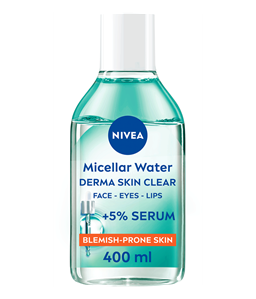
The NIVEA Derma Skin Clear Wash Gel, enriched with Salicylic Acid and Niacinamide, deeply cleanses by removing excess oil and clearing pores. The range is mainly designed for blemish‑prone skin and isn’t advised for sensitive skin.
2. Exfoliate
There are two main ways you can exfoliate your skin to remove dead cells:
- Chemical exfoliation: a gentler exfoliation method that dissolves dead skin instead of brushing it away.
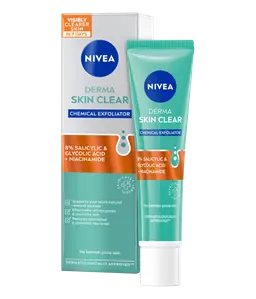
The Derma Skin Clear Chemical Exfoliator is enriched with Salicylic and Glycolic Acids to support the removal and renewal of old and damaged skin cells. It’s designed for blemish‑prone skin and isn’t recommended for sensitive skin.
- Mechanical exfoliation: in contrast to chemical exfoliation, mechanical exfoliation removes dead skin cells physically. This might involve using a soft brush or a washcloth to gently massage your face in circular motions. It’s most effective on normal to oily skin types and tends to be harsher than chemical exfoliation. If you have dry or sensitive skin, it’s best to avoid mechanical exfoliation.
For a men’s skincare routine, NIVEA MEN offers Protect & Care Face Cleansing Scrub infused with Provitamin B and Aloe Vera, which can be used to unclog pores and smooth the skin’s appearance by lifting away dead skin cells.
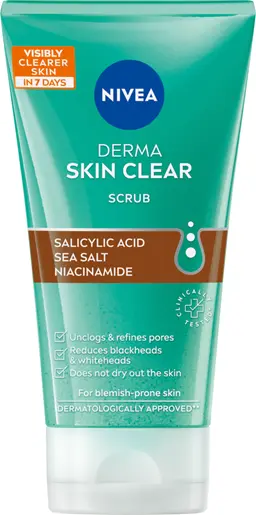
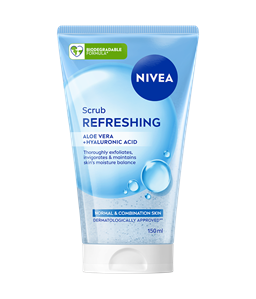
NIVEA also offers a range of scrubs and exfoliators such as the Pore Purifying 3‑in‑1 Wash Scrub Mask, infused with Kaolin to remove daily impurities and deeply cleanse the skin. The product is based on a vegan formula to suit your skin’s needs.

3. Serum
Serums contain a higher concentration of active ingredients and can reach the skin’s surface more effectively for faster, visible results.
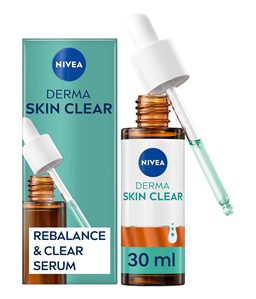
NIVEA offers a range of serums to target different concerns such as anti‑ageing, dark spots and dry skin. The Cellular Expert Filler Replumping Hyaluronic Acid Serum is an advanced solution to bounce back signs of ageing, help you maintain hydrated skin and support cell regeneration.
4. Hydration (day/night cream)
Because dryness can cause dead skin, good hydration is a key step in your skincare routine. You’ll want to nourish your skin with the right ingredients for your skin type.
NIVEA offers day creams and night creams to include in your routine, with products for all skin types. Both ranges are designed to care for different skin needs with carefully formulated creams.
5. SPF (morning)
In your morning routine, it’s important to finish with an SPF. UV rays can be very harmful to your skin, damaging cells on the surface and increasing the chance of dead skin build‑up.
How to remove
DEAD SKIN ON THE BODY
Using a natural body scrub together with a brush, sponge or exfoliating glove is one of the most effective ways to get rid of dead skin cells from the surface of your body. A thorough but gentle scrub helps remove dead skin and also boosts blood flow.

Arms and legs
Using a brush, sponge or glove to exfoliate your arms and legs is the simplest method. This can promote circulation and help remove dead skin cells.
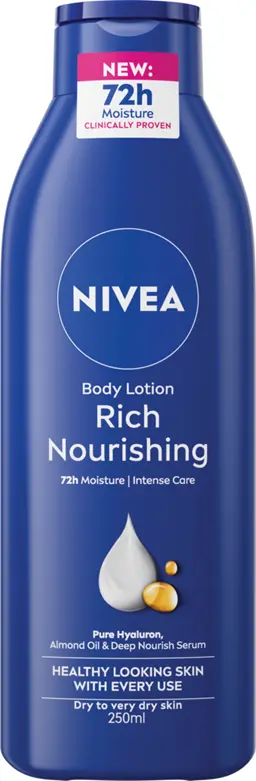
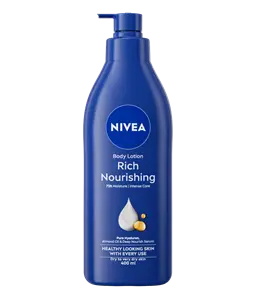
The NIVEA Rich Nourishing Body Lotion is enriched with Almond Oil and Vitamin E, providing up to 48 hours’ deep moisture and leaving your skin feeling soft with a non‑greasy, healthy‑looking finish.
Feet and hands
A pumice stone can be used to scrub away and help remove hard skin on your feet.
Spend about 10 minutes soaking any tougher areas of skin in warm water first. This softens the skin and makes it easier to gently scrub off dead skin cells. Then exfoliate your skin with a light body scrub that suits your skin type to get rid of the dead cells. After drying your skin, finish with a nourishing body lotion.
Dead skin
Causes: Dead skin cells are natural and occur for a number of reasons such as age, weather and climate, sun exposure, inadequate cleansing and more.
Solutions: To remove dead skin, you can follow a regular skincare routine that supports your skin’s natural renewal and helps it look more radiant by letting fresh skin breathe.
Best ingredients: AHAs and BHAs are very effective ingredients to help with dead skin removal.
Home remedies to
REMOVE DEAD SKIN CELLS
- Coffee scrub
Coffee grounds make an effective exfoliant for removing dead skin cells. Coffee also contains plenty of flavonols, which can help improve skin texture and support a healthy glow when you apply it directly to your skin.
- Oatmeal scrub
Thanks to its slightly gritty, granular texture, oatmeal works well for removing dead skin on most skin types. It can help buff away dead skin along with excess sebum and everyday impurities.
- Orange peel powder
To use orange peels as an effective exfoliant, simply save them and let them dry in the sun for a few days. Then blend the dried peels into a fine powder and store it in a sealed container. An orange peel scrub can help remove impurities as well as dead skin cells, and may leave your complexion looking brighter and more youthful.
- Gram flour
Gram flour, often known as besan, is another ingredient you might already have in your kitchen cupboard. It helps to exfoliate your skin, leaving it feeling smoother and looking more radiant. Using besan can also help absorb excess oil if you have oily skin.
- Dry brushing
Dry brushing can be a very effective way to remove dead skin cells on your body. By running a dry brush gently over your skin, you help lift away dead cells and open up your pores. This can reveal fresher skin underneath and help your natural glow come back through.
What are the best ingredients
TO REMOVE DEAD SKIN

Alpha Hydroxy Acids (AHAs)
Plant‑based AHAs like Citric Acid, Glycolic Acid, Malic Acid and Lactic Acid help to remove dead skin cells, especially if you have dry to normal skin.
AHAs work by targeting the adhesive bonds that hold skin cells together, allowing for a smoother shedding and revealing fresh skin underneath.
Beta Hydroxy Acids (BHAs)
BHAs like Salicylic Acid exfoliate from deep within the pores, which makes them particularly suitable for oily, combination and acne‑prone skin.
If a build‑up of dead skin cells is contributing to outbreaks and blemishes, NIVEA Derma Skin Clear could help you address these concerns. Concentrated with Niacinamide, Salicylic Acid and Glycolic Acid, these products are designed to support you in removing dead skin cells and helping to prevent new blemishes from appearing. The Derma range is not recommended if you have very sensitive skin.
Dead skin removal
at a glance
Dead skin cells are natural and part of your skin’s regeneration process. However, when they build up, they can affect how your skin looks and feels, so it can really help to give your skin a hand by removing dead skin cells regularly. Common causes of dead skin cell accumulation include skin ageing, inadequate cleansing and environmental conditions. A consistent skincare routine for both face and body is therefore really useful, with a focus on cleansing, exfoliation, serum application, hydration and sun protection. You can also consider simple homemade remedies for dead skin removal, as well as the proven benefits of Alpha Hydroxy Acids (AHAs) and Beta Hydroxy Acids (BHAs) when you’re looking to tackle dead skin cells.