What Is My Skin Type?
5 TYPES EXPLAINED
What is a
SKIN TYPE?
Skin types are generally categorised into several main groups: oily, dry, combination, and sensitive, and each has their own individual skincare requirements. However, it is often the case that the skin can meet the criteria of several categories. For example, you can have skin that is both dry and sensitive, or skin that is drier at certain times of the year and oilier at others. Knowing this helps when you ask yourself how to know your skin type or how to find out your skin type with a simple skin analysis at home.
5 Common
SKIN TYPES
- Dry SkinDry skin lacks moisture and often feels tight or rough. It may appear dull and flaky, especially in colder months or in dry climates. Dry skin can be sensitive to harsh skincare products and may be more susceptible to signs of premature ageing like fine lines and wrinkles, which usually appear due to dry skin lacking the delicate balance of oils and moisture, slowing down cell turnover, and making it more vulnerable to damage from pollutants and UV rays.
- Combination SkinCombination skin is characterised by having areas that are both oily (usually the T-zone) and dry or normal (cheeks). When you ask ‘what is combination skin, and what is my type of skin if my forehead is shiny but my cheeks feel tight?’, this mixed pattern is a strong clue.
- Sensitive SkinSensitive skin is easily irritated by external factors such as weather, skincare products, or environmental pollutants. Among other causes, sensitivity can be the result of an underlying skin condition, a weakened skin barrier, or environmental factors such as weather or pollutants. It may react with redness, itching, or burning sensations.
- Normal SkinNormal skin is well-balanced with neither excessive oiliness nor dryness. It typically has a smooth texture, small pores, and a healthy-looking complexion. Normal skin is less prone to sensitivity or breakouts, making it the least problematic of all skin types.
4 Ways to Identify
YOUR SKIN TYPE
Visual inspection involves closely examining your skin's appearance and texture in different areas of your face in natural light. This is one of the easiest ways for you to start a simple skin analysis when you want to know how to know your skin type.
- Oily Skin:
Look for a shiny appearance, especially in the T-zone (forehead, nose, and chin). Enlarged pores may also be noticeable.
- Dry Skin:
Check for flakiness, tightness, or rough patches, particularly after cleansing. It may appear dull and lacklustre.
- Combination Skin:
Note oily areas in the T-zone with visible pores, contrasted with drier patches on the cheeks, which may feel tight.
- Sensitive Skin:
Look for signs of redness, itching, or inflammation, especially in reaction to certain products or environmental factors.
- Normal skin:
Look for a consistent texture and colouration without excess shine, dryness, or visible signs of sensitivity.

Using blotting paper on your face can help to determine oiliness. For this test, press blotting paper against different areas of your face in the morning before cleansing. This is a quick at-home way to start answering the question “how can you tell what skin type you have?”.
- Oily Skin:
Blotting paper will quickly absorb excess oil, revealing a greasy residue.
- Dry Skin:
Blotting paper may not pick up much oil, indicating a low sebum level.
- Combination Skin:
Blotting paper will absorb oil from the T-zone but less from the cheeks.
- Normal Skin:
Note if the blotting paper picks up minimal oil, indicating a balanced sebum production without excess or deficiencies.

The touch test involves feeling different areas of your face to assess texture and moisture levels. After washing your hands thoroughly, use your fingertips to assess how your skin feels to the touch. This is another simple way to explore what is my face skin type without any tools.
- Oily Skin:
Skin feels slick and greasy to the touch, particularly in the T-zone.
- Dry Skin:
Skin feels tight, rough, or flaky, indicating a lack of moisture.
- Combination Skin:
T-zone feels oily while cheeks may feel normal or dry to the touch.
- Sensitive Skin:
Notice if the skin reacts negatively to touch, showing signs of redness or irritation. Note that not all sensitive skin will necessarily react to this test, depending on its degree of sensitivity.
- Normal skin:
When you touch normal skin, it feels neither excessively oily nor dry. It has a consistent texture and feels smooth to the touch. Normal skin typically does not show signs of redness, irritation, or noticeable bumps.
If you're still unsure and would like a more conclusive analysis, you can visit a skincare professional for a more accurate assessment. They can conduct tests and analyse your skin under controlled conditions to determine your skin type. This kind of expert skin analysis can be really helpful if you want to know for sure “what is my type of skin?”.
Can your Skin Type
CHANGE OVER TIME?
Additionally, factors like pregnancy, menopause, stress, diet and exposure to elements such as sun, wind, and pollution can also influence and alter your skin type over time. Regularly reassessing your skin's needs and adjusting your skincare routine accordingly is essential to maintain healthy-looking skin.
SKIN TYPE
Common Skin Types:
Oily, dry, combination, sensitive, and normal skin.
Identifying Skin Types:
Methods include visual inspection, blotting paper tests, and professional analysis.
Causes of Different Skin Types:
Genetics, environmental factors, hormonal changes, diet, and skincare products influence skin type.
Managing Each Type:
Follow a routine specifically for your skin type, using ingredients beneficial for your skin's needs.
Tips for Managing
EACH SKIN TYPE
Proper skincare is essential for maintaining healthy-looking and vibrant skin, regardless of your skin type. If you’ve ever searched for how to find out your skin type, these tips will help you care for it once you know it. Here's how to manage different skin types effectively:
Cleanse twice daily to remove excess oil and prevent clogged pores
Regularly exfoliate to eliminate dead skin cell and impurities
Use non-comedogenic, oil-free moisturisers and sunscreens
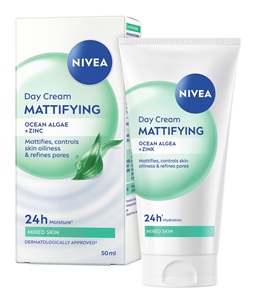
Keep shine in check with mattifying products or blotting papers throughout the day

Hydrate frequently
Use creamy, hydrating cleansers that don't strip natural oils
Drink plenty of water to maintain skin hydration
Use different products for different areas
Opt for a gentle, balancing cleanser
Exfoliate once or twice a week but avoid over-exfoliating the drier areas
Always patch-test new products before use to prevent irritation
Choose fragrance-free, hypoallergenic products designed specifically for sensitive skin
Simplify your skincare routine
Use soothing ingredients
Cleanse your face twice daily with a gentle, balanced cleanser
Exfoliate once a week to remove dead skin cells
Apply broad-spectrum sunscreen daily to protect against UV damage
Avoid harsh skincare products that can disrupt the skin's natural balance

Skincare Routine
FOR EACH SKIN TYPE
Cleanse your face to remove oil, dirt, and impurities.
- Oily Skin:
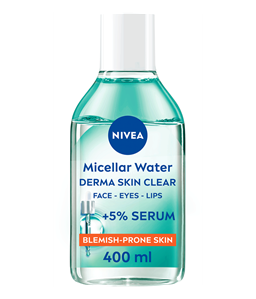
Opt for a foaming or gel-based cleanser with ingredients like Salicylic Acid to remove dead skin cells that can clog pores.
- Dry Skin:
Use a milk cleanser that replenishes moisture and soothes dryness.
- Combination Skin:
Consider a gentle cleanser that balances oil production without drying out the skin.
- Sensitive Skin:
Choose a fragrance-free and suitable for sensitive skin cleanser with gentle or soothing ingredients like Dexpanthenol.
- Normal Skin:
A gentle foaming or cream cleanser works well to cleanse without drying or causing excess oil production.

Use a toner to rebalance your skin's pH levels and prepare it for subsequent skincare products
- Oily Skin:
Use toner containing Witch Hazel or Salicylic Acid to mattify and tighten pores.
- Dry Skin:
Opt for a hydrating toner with ingredients like Hyaluronic Acid or Glycerin to replenish moisture and soothe dryness.
- Combination Skin:
Choose a balancing toner that helps to control oil in the T-zone and hydrates the cheeks, such as a Rosewater-based toner.
- Sensitive Skin:
Use a calming, alcohol-free toner with ingredients like Chamomile or Aloe Vera to soothe and hydrate without irritation.
- Normal Skin:
A mild, toner helps maintain pH balance and prepares the skin for subsequent skincare products.
Apply treatment to help address specific skin concerns such as ageing signs, uneven texture, hyperpigmentation or blemishes, by delivering ingredients targeting the specific needs of each skin type.
- Oily Skin:
Apply a lightweight skincare product with Niacinamide to control oil production and minimise pores.
- Dry Skin:
Use a nourishing serum or facial oil rich in antioxidants like Vitamin E to protect the skin barrier or a skincare product containing Hyaluronic Acid to hydrate.
- Combination Skin:
Target specific concerns with different serums as needed for oily or dry areas, such as a Vitamin C serum for brightening the complexion.
- Sensitive Skin:
Choose a gentle serum with soothing ingredients like Green Tea Extract to calm the skin.
- Normal Skin:
Use a versatile serum containing antioxidants or peptides to maintain health-looking skin and address minor concerns like uneven tone or texture.

Apply a moisturiser suited to your skin type to hydrate and lock in moisture.
- Oily Skin:
Select a non-greasy mattifying moisturiser or gel-based moisturiser to hydrate without without leaving a greasy sensation on the skin.
- Dry Skin:
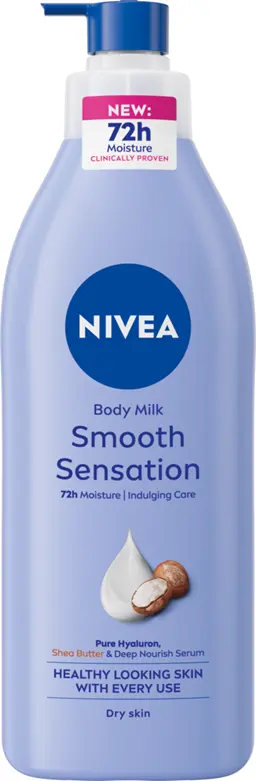
Use a rich, creamy moisturiser with ingredients like Shea Butter to deeply nourish and soothe dryness.
- Combination Skin:
Apply a lightweight moisturiser to the T-zone and a richer moisturiser to the cheeks or use a moisturiser designed for combination skin, adjusting as needed based on seasonal changes.
- Sensitive Skin:
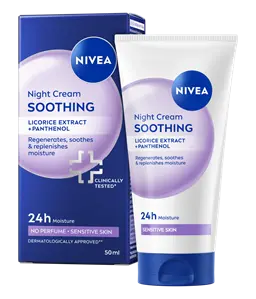
Choose a hypoallergenic, fragrance-free moisturiser with calming ingredients.
- Normal Skin:
Use a balanced moisturiser suitable for all skin types to maintain hydration and support the general condition of the skin.
Apply sunscreen with SPF 30 or higher as the last step of your skincare routine depending on the weather or season. Sunscreen helps protect your skin from UV damage, premature ageing and skin damage.
Choose a sunscreen that is suitable for your skin type, whether it's a lightweight, matte finish for oily skin or an extra hydrating formula for dry skin. Reapply sunscreen every two hours when exposed to direct sunlight.