How to Prevent and
Treat Pimples on the Back
What are pimples
on the back?
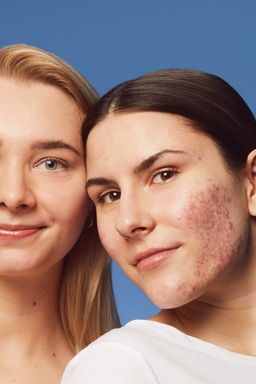
Back acne is the term used for areas of acne on the back. It can look similar to the pimples you might find on other parts of your body, such as your face – and they typically form in clusters. Although completely natural, acne on back skin may cause you distress and discomfort, but there is a wide range of at-home remedies as well as dermatological treatments that can help if you want to know how to get rid of back acne.
Since the skin on your back is thicker than on other parts of your body, it's particularly prone to pimples. But what type of pimples can form on the back?
What type of pimples
can form on the back?
- Blackheads:
a follicle clogged with sebum, of which the outer part oxidises with the air around it to form a black plug.
- Whiteheads:
similar to blackheads but without the plug being exposed to air, so it remains white in appearance.
- Cysts:
these pus-filled bumps are the result of bacteria build-up in a hair follicle and form well below the skin’s surface.
- Red bumps:
these can be sensitive to touch and are the result of an inflamed hair follicle.
What causes pimples
on the back?
Like other parts of your body, pimples on the back tend to form when pores get clogged with dirt, sweat and dead skin cells. Additionally, if your skin is prone to blemishes then your pores are likely to be overproducing sebum, which can lead to build-ups and clogging on the back too. If you have ever wondered what causes back acne more generally, other underlying factors can also contribute to pimples on the back:
- Friction from clothing:
Tight clothing or heavy backpacks can irritate your skin, leading to pimples.
- Hormones:
The overproduction of sebum can be caused by hormonal changes, which is why acne is common during puberty and also during menstruation.
- Poor hygiene:
Not washing sheets and clothing regularly can lead to a build-up of bacteria which can get trapped in your pores and cause inflammation that results in pimples.
- Diet:
Some people notice pimples on the back if their diet includes an excess of dairy or carbohydrates. Eating excessive amounts of carbohydrates can raise blood sugar and insulin levels, which may in turn contribute to pimples.


- Family history:
You're more likely to experience acne if both of your parents did. For example, one parent may have a hereditary condition that causes a hormonal imbalance, which may contribute to acne breakouts on the back as well as the face.
- Skincare products:
Some skincare products may actively dry out your skin, which can exacerbate sebum overproduction and worsen pimples.
- Stress & anxiety:
The production of cytokine proteins can be triggered by stress and anxiety. These proteins can inflame the sebaceous glands, which in turn produce excess sebum oil and ultimately contribute towards pimples and even longer-lasting back acne scars.
- Comedogenic wash products:
Products containing comedogenic ingredients can clog pores. Examples of these products include fragranced body washes, Sodium Lauryl Sulfate (a foaming agent found in some soaps) and some oils such as coconut oil.
How can you prevent
pimples on the back?
How can you get rid of
pimples on the back?
- Keep your skin clean:
In addition to preventing pimples on the back from forming, keeping your skin clean is also a helpful remedy. Be sure to avoid scrubbing too hard, though.
- Regularly wash linens and towels:
This will help to avoid a build-up of bacteria.
- Don't scratch or pick your pimples:
Not only will this worsen the appearance of pimples, it may also infect the pimple with bacteria and cause scarring over time, including more visible back acne scars.
- Opt for a thin, mattifying sunscreen:
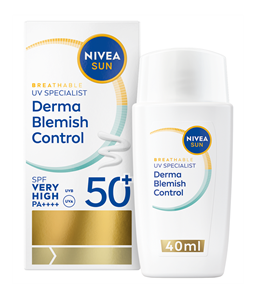
Thicker body sunscreens can further clog your pores, so using a thinner, mattifying sunscreen on affected areas will help to minimise this risk when you're dealing with acne on back skin.
The NIVEA UV Face Shine Control SPF 50, although intended for facial skin, is an ideal choice here since its light formula offers effective and immediate UV protection while absorbing excess oil from the skin's surface.


- Use a spot treatment:
If you're treating a small number of pimples you could use a spot treatment that contains Benzoyl Peroxide or Salicylic Acid, which can help to reduce inflammation and keep your pores clear.
- Topical treatments:
Depending on the amount of pimples you have, you could opt for an over-the-counter topical treatment. These typically include the ingredients mentioned above in addition to AHAs, which can be effective in treating symptoms of back acne.
- Oral treatments:
An oral treatment may be more cost-effective if a large area of skin is affected. When considering this option it's best to consult a dermatologist beforehand so that they can recommend and prescribe the most suitable treatment for you.
- Consult a dermatologist:
If your pimples persist and you're concerned about scarring, talk to a dermatologist. They will be able to assess whether you have an underlying condition and can offer advice on further treatment and how to treat acne in the back in a way that suits your skin.
The NIVEA
Derma Skincare Range
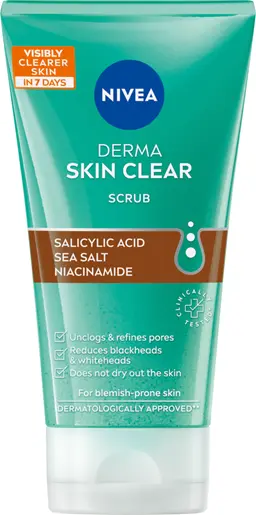
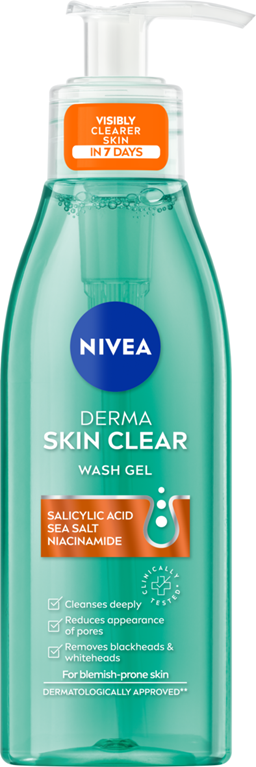
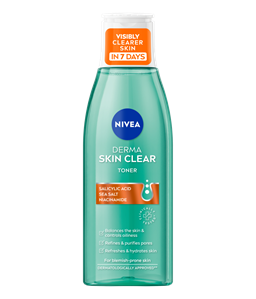
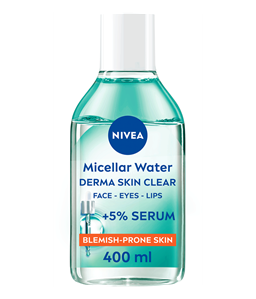
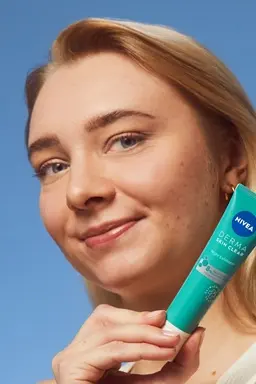
The NIVEA Derma Skin Clear Range is a dermatologist-tested skincare range designed for blemish-prone skin. This vegan-friendly range features effective solutions to prevent breakouts, reduce blemishes, and enhance overall skin health. Key ingredients like Pure Sea Salt, Niacinamide, Salicylic Acid and Glycolic Acid work together to cleanse pores, soothe inflammation and promote cell turnover, resulting in a smoother, clearer complexion.
Are men more likely
to get pimples on the back?

Are pimples on the back
symptomatic of something else?
Pimples on the back are typically not a symptom of another underlying health condition – however, in some cases they could be a sign of hormonal imbalance or another medical condition. For example, pimples may appear on the back of women diagnosed with polycystic ovary syndrome (PCOS), a hormonal disorder that can cause acne.
Medications may also lead to pimples on the back. These include some medications used to treat depression, which can cause acne as a side effect. If you begin to notice pimples after starting a new medication, it's best to monitor them and consult a medical professional if they persist.
Are pimples on the
back always acne?
Pimples on the back aren't necessarily a symptom of acne. They may appear as a result of other, common skin conditions such as:
1. Heat rash: this occurs when sweat gets trapped in the sweat ducts, causing small pimples or red bumps to form. However, this tends to clear up once your skin has a chance to cool down.
2. Allergic reactions: dietary intolerances such as those mentioned previously may cause breakouts of pimples. Other dietary factors may include excess sugar, processed meats, high glycaemic foods and fast food.
3. Folliculitis: this is an inflammation of the hair follicles, which can result in clusters of small red bumps that form around the hair follicle.

How do pimples on the back differ
from those on the face?
Although pimples on the back and face may share similarities in appearance, there are three key differences between the two:
- Size:
Skin pores on your back are larger than those on your face, meaning they can more easily clog with excess sebum, dead skin cells and bacteria.
- Severity:
Pimples on the back can be more painful than pimples on other areas since back skin is much thicker, meaning breakouts can form deeper under the surface.
- Treatment:
Skin on your back may be less sensitive to topical acne treatments due to its thickness. One example is Benzoyl Peroxide, which can help to control bacteria that contribute to some forms of pimples. Additionally, using topical treatments may be expensive due to the large surface area of the back, so opting for an oral treatment may be more cost-effective.
- Range specifically formulated:
Though not created for treating pimples on the back, NIVEA offers a range specifically formulated for treating symptoms of acne on the face. The NIVEA Derma Skin Clear range utilises the powerful active ingredients Salicylic Acid, Niacinamide and Glycolic Acid to deeply cleanse and clarify pores, which may help to keep face pimples at bay.