How to Prevent
Shaving Rash & Razor Burn
Shaving rash and razor burn can be sore, itchy and frustrating, whether they show up on your legs, bikini line, or anywhere else you shave. The good news is that shaving rash can be soothed and, with the right routine, prevented. Keep reading to understand what causes shaving rash, how to get rid of shaving rash, how to avoid shaving rash and how to help keep your skin feeling more comfortable after every shave.
How to
Soothe Shaving Rash in 3 Steps

- Refresh the Skin.As soon as you notice the first signs of shaving rash, apply a cold compress to the affected area. Cooling the skin helps ease the burning sensation, reduce redness and calm irritation, and it works best when you attend to the rash straight away.
- Soothe and Hydrate.
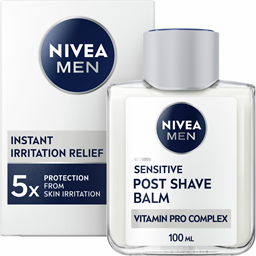
Once the skin is calm, apply a gentle, hydrating product to help care for the skin and relieve feelings of irritation. Designed for men's sensitive skin, NIVEA MEN Sensitive Post Shave Balm is a facial care product that provides immediate relief from shaving irritation and helps protect against the 5 signs of shaving irritation: burning sensations, redness, dryness, tightness and itching. Its alcohol-free formula helps reduce redness, dryness and feelings of discomfort. It is enriched with Chamomile, Vitamin E and Pro-Vitamin B5.
For larger areas of the body, such as the legs, use a soothing moisturising lotion regularly to help keep the skin hydrated and support how to get rid of shaving rash on legs.
- Let It Recover.
Shaving rash should settle on its own, but it helps to give it time. Avoid shaving the affected area again until the skin has fully recovered, as any lingering redness or irritation is a sign to leave the area for now.
5 Steps
to Preventing Shaving Rash
Preventing shaving rash starts before the razor touches your skin, and some preparation with the right technique goes a long way towards a smooth, irritation-free shave. Follow these steps to help reduce the risk of irritation when shaving:
Step 1: Exfoliate
Prep the area you plan to shave. Gently exfoliating with a cloth or mitt removes the build-up of dead skin cells and dirt that can block your razor, and it can allow for a closer, smoother shave.
Step 2: Soften the hair
Warm water softens both the skin and the hair, making it easier to shave. Take a warm bath or shower, or hold a warm flannel against the area first, so the skin feels relaxed and ready.
Step 3: Use a shaving cream, gel or foam
Avoid shaving with body wash or on dry skin.
Step 4: Shave in the right direction
Shaving in the direction of hair growth helps reduce friction, razor burn and ingrown hairs. In more sensitive areas like the bikini line and underarms, it is especially important not to shave against the grain, as this can irritate delicate skin.
Step 5: Post-shave care
Aftercare is important to avoid shaving rash. Rinse the area with cool water to help close the pores, then apply a soothing lotion or balm made for sensitive skin, avoiding products containing alcohol or those that are heavily perfumed, as they may cause further irritation.

3 Common Areas for Shaving Rash:
Legs, Bikini Line and Underarms

- Legs:Shaving rash on legs is very common and is often caused by pressing too hard or using a blunt blade. Be patient during shaving, use light strokes and keep the skin hydrated afterwards with a soothing body lotion suitable for sensitive skin to help manage shaving rash on legs.
- Bikini Line:
Along the bikini line, the skin is more delicate and the hair thicker, which can increase the risk of irritation after shaving. Shave gently, avoid going over the same area repeatedly, and wear cotton underwear and loose-fitting clothes afterwards to let the skin breathe and reduce rubbing.
- Underarms:
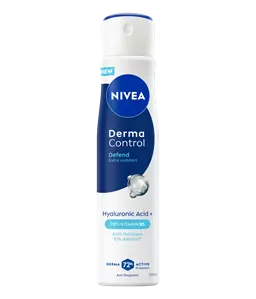
For the underarms, shave gently, following the tips above to help care for your skin and reduce the risk of irritation. Avoid using alcohol-based deodorants on the days you shave. Instead, choose products that are specially formulated for sensitive skin and suitable for regular shaving. NIVEA Derma Control Restore, with Pure Hyaluron and Vitamin E, helps calm irritated skin after shaving and is made for sensitive skin. Its formula is free from Ethyl Alcohol and features a hypoallergenic fragrance. NIVEA MEN 72h Derma Control Defend Anti-Perspirant Spray 250ml, also with Pure Hyaluronic Acid and Pro-Vitamin B5, provides reliable 72-hour anti-perspirant protection, strengthens the skin and helps to defend against itchiness while nourishing the skin.
Note: If irritation in any of these areas is severe or does not settle, it is worth speaking to a GP.