Ceramides for Skin:
What They Do & Benefits
What Are
Ceramides?
Ceramides are essential lipids (fats) naturally found in the outer layer of your skin that act like “glue”, holding skin cells together to form a strong, protective barrier.1 This barrier helps lock in moisture, prevent water loss2, and shield the skin from everyday environmental stressors such as irritants, bacteria, and pollution.3
Over time, natural ceramide levels can decline, resulting in skin that feels drier or more sensitive.4 Using ceramide-rich skincare can help support hydration, and maintain smooth, healthy-looking, and resilient skin.5

Ceramides come in two main forms, each offering distinct benefits for the skin. Understanding their differences can help you select products that effectively restore moisture levels and strengthen your skin barrier.2
- Natural Ceramides: Found in the outer layers of skin, as well as in plants like soy and animals like cows. They support the skin’s barrier function, help retain moisture, and keep skin smooth and resilient.1
- Synthetic Ceramides: Man-made, free from contaminants, and more stable than natural ceramides, making them ideal for reliable use in skincare products. They effectively replenish the skin’s natural protective layer, lock in moisture, and support the skin.2
3 Key Types of Ceramides for Skin
Ceramides are a diverse group of lipids, with at least 12 different types found in the skin. While all help maintain moisture and barrier function, the three listed below are most commonly included in skincare formulations for visible hydration and protective benefits:2
1. Ceramide 1 (EOP): Supports barrier repair and helps prevent moisture loss.
2. Ceramide 2 (NS): Maintains skin moisture and structural integrity.
3. Ceramide 3 (NP): Helps restore moisture and improve skin smoothness.2
4 Ceramide Benefits
for Skin
- Hydration and Moisture Retention
Ceramides help lock water into the skin, keeping it soft, plump, and comfortable while preventing dryness and irritation.6
- Strengthening the Skin BarrierCeramides form a protective layer that shields skin from environmental stressors, bacteria, and allergens, helping maintain the skin’s natural defence and resilience.7
- Anti-Ageing SupportHydrated skin is more elastic and firm. Ceramides help maintain suppleness, reduce fine lines, and support a smoother, healthier-looking complexion. suppleness, reduce fine lines, and support a smoother, healthier-looking complexion.8
- Overall Skin SupportRegular use of ceramide-rich products can help promote skin cell repair and enhance natural protective functions. Over time, this can contribute to long-lasting hydration and more comfortable skin.7

How to Use Ceramides
in Your Skincare Routine
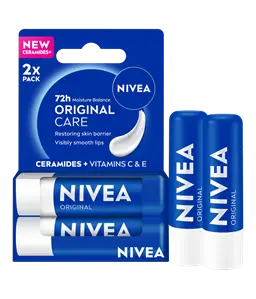
Adding products containing ceramides to your daily skincare routine helps support moisture, strengthen the skin’s outer layer, and maintain smooth, healthy-looking skin. For a simple routine, start with a targeted facial serum, followed by a nourishing moisturiser and daily sun protection. Products formulated with ceramides, alongside complementary ingredients such as Hyaluronic Acid, Glycerin and shea butter, help provide extra hydration and barrier support for the entire face. Ceramides are also commonly used in lip care products, helping care for lips that are prone to dryness due to their delicate skin barrier.6
Facial Care – Morning and Evening
A consistent facial routine helps maintain moisture levels, and support the skin barrier throughout the day and night.9 Using targeted treatments alongside a nourishing moisturiser can help improve overall skin smoothness and resilience.7
- Apply Serum:
After cleansing, apply a serum to help support the skin’s natural barrier and maintain hydration, leaving the skin feeling soft and resilient.
Try Q10 Anti-Wrinkle Collagen Expert 3in1 Repairing Serum morning and evening. This serum repairs deep wrinkles, firms facial contours and improves skin density, with collagen-supporting ingredients to help firm facial contours and improve skin density.
- Moisturise:
Once your serum has absorbed, apply a moisturiser to help maintain your skin’s comfort and preserve its resilience.
Follow with Q10 Anti-Wrinkle Collagen Expert Day & Night Facial Butter. Its rich, buttery texture melts deep into the skin, is formulated to deeply nourish the skin and strengthen the skin’s moisture barrier, helping to repair deep wrinkles, lock in moisture and support firmer-looking skin, leaving it feeling smoother and softer.
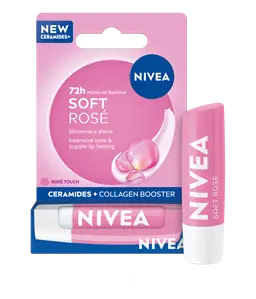
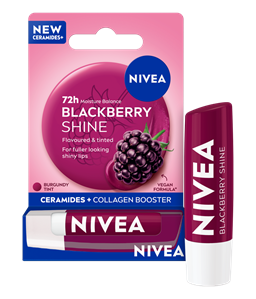
Shine Range: Contains Pro-Collagen Complex and ceramides with Deep Nourishing Technology. Helps strengthen the lip barrier, reduce moisture loss, and support fuller-looking lips with daily care.
Glossy Lip Oil Range: Contains Pro-Collagen Complex and ceramides for deep nourishment. Available in Soft Rose and Pearly Shine finishes, it helps hydrate, protect against moisture loss, and enhance lips’ natural smooth appearance and shine.