What Is Skin Longevity?
How to Support It
Discover what skin longevity means, how skin changes over time and how consistent skincare can help support more resilient-looking skin.
- What Is Skin Longevity?
- Skin Longevity vs Anti-Ageing
- Facts Overview
- How Skin Changes Over Time
- 4 Benefits of Supporting Skin Longevity
- 5 Key Factors That Influence Skin Longevity
- When Should You Start Thinking About Skin Longevity?
- Ingredients That Support Skin Longevity
- Epigenetic Skincare Routine for Skin Longevity
- Summary
- FAQs
Skin longevity is becoming an increasingly popular approach to skincare, focusing on how consistent care, lifestyle habits and research-backed ingredients can help support the skin as it changes over time1. In this guide, discover what skin longevity means, the factors that can influence your skin, and the ingredients and routines that may help care for your skin's changing needs.
What Is
Skin Longevity?
Skin longevity focuses on caring for the skin's resilience and comfort as it changes throughout life. Rather than addressing one specific concern, this approach considers the everyday factors that influence the skin, including hydration, the skin barrier, UV exposure, genetics and lifestyle habits2. By choosing skincare that suits your needs and building consistent habits, you can help care for your skin throughout every stage of life
Skin Longevity vs
Anti-Ageing
Anti-ageing and longevity skincare share a similar goal of supporting skin as it changes, but they take different approaches. Anti-ageing skincare traditionally focuses on caring for visible signs of ageing, while skin longevity takes a broader approach by supporting the skin’s overall health2, resilience and comfort throughout life3. Rather than replacing one approach with the other, many skincare routines combine elements of both, using consistent daily care to support the skin’s evolving needs.
Skin Longevity at a Glance
What Is Skin Longevity? Skin longevity is a long-term approach to skincare that focuses on supporting the skin’s natural functions, resilience and appearance as it changes.
What Influences Skin Longevity? Factors such as ageing, genetics, UV exposure, pollution and lifestyle habits may influence how skin looks and feels2.
How Can You Support Skin Longevity? : Healthy lifestyle habits, consistent skincare routines, research-backed ingredients and daily sun protection can help care for skin as it changes4.
Which Skincare Ingredients Support Skin Longevity? Ingredients such as antioxidants, peptides, niacinamide, ceramides and Epicelline® are commonly used to support hydration, skin barrier function and overall skin resilience2.
How Skin Changes
Over Time
The skin naturally changes throughout life as part of the ageing process. One of the key processes involved is skin cell renewal, where older skin cells are replaced by new ones. As we age, this process gradually slows, which may affect how skin looks and feels5. Skin may appear less radiant, feel drier or show changes in texture, including the gradual appearance of fine lines and other visible signs of ageing6. Understanding these changes can help you adapt your skincare routine to support your skin’s changing needs.
Chronological age refers to the number of years you have lived, while biological age reflects how the body, including the skin, functions. Biological age may be influenced by factors such as genetics, lifestyle and environmental exposure, which means two people of the same chronological age may notice differences in how their skin looks and feels7.
4 Benefits of
Supporting Skin Longevity
Rather than focusing on short-term solutions, a skin longevity approach takes a long-term view of skincare, encouraging consistent habits that care for the skin as it changes throughout life.

- 1Supporting Skin Resilience
A consistent skincare routine may help the skin cope with everyday environmental influences and changing needs.
- 2Caring for Skin Comfort Over TimeAs skin changes, it may experience shifts in how it looks and feels. A thoughtful routine can help maintain a comfortable-looking complexion at every stage of life6
- 3Encouraging Long-Term Skincare Habits
Skin longevity focuses on simple, consistent habits that can be maintained rather than short-term solutions2.
- 4Adapting to Changing Skin Needs
Understanding how skin evolves throughout life can help you make informed choices about the products and routines that suit you.
5 Key Factors
That Influence Skin Longevity
Skin longevity is influenced by a combination of internal and external factors that may affect how skin changes, looks and feels. The five key factors that may influence skin longevity include:
- 1Natural Ageing
As part of the ageing process, changes in skin renewal, hydration and texture may occur.
- 2Genetics
Genetic factors may influence skin type, characteristics and how skin naturally changes throughout life8.
- 3UV Exposure
Sun exposure is one of the main external factors associated with premature visible signs of skin ageing9.
- 4Environmental Influences
Everyday factors such as pollution and environmental stressors may affect the skin’s appearance and comfort10.
- 5Lifestyle Habits
Factors such as sleep, nutrition, hydration, alcohol and tobacco consumption, and daily routines may influence how skin looks and feels.

When Should You Start
Thinking About Skin Longevity?
There is no specific age to start thinking about skin longevity. Building skincare habits that suit your skin’s needs and adapting your routine as your skin changes can help support your skin throughout every stage of life6. Whether you are starting your first routine or adjusting an existing one, it is never too early or too late to focus on caring for your skin.
Ingredients That Support
Skin Longevity
The ingredients in your skincare routine can help support the skin’s changing. Well-formulated products often combine complementary ingredients designed to help maintain hydration, support the skin barrier and care for skin as part of a consistent routine.
Several ingredients are commonly used in skincare formulations to support skin longevity. When combined with regular skincare habits, they may help support hydration, skin resilience and the overall appearance of skin over time.

- 1Antioxidants
Antioxidants, including ingredients such as Vitamin C and11 Coenzyme Q1012, may help protect the skin from everyday environmental stressors, including UV exposure and pollution, which can contribute to visible signs of skin ageing.
- 2Peptides
Peptides are commonly used in skincare to help support the skin’s natural structure13. With regular use, they may help improve the appearance of firmness and visible signs of ageing.
- 3Niacinamide
Niacinamide is commonly used in skincare to help support the skin barrier and improve the appearance of uneven skin tone14 while helping skin feel balanced.
- 4Ceramides
Naturally found in the skin, Ceramides play an important role in helping maintain the skin barrier15 . Skincare containing Ceramides may help reduce moisture loss and support comfortable-feeling skin.
- 5Epicelline®
Developed for the NIVEA Epigenetics range, Epicelline® is NIVEA’s patented ingredient inspired by epigenetics research16. It is designed to reactivate skin cells’ youth functions* to help support a more youthful-looking appearance as part of a consistent skincare routine. Scientifically proven with Age Clock® technology, which measures the skin's biological age, it helps skin look plumper and more youthful.
Epigenetic Skincare Routine
for Skin Longevity
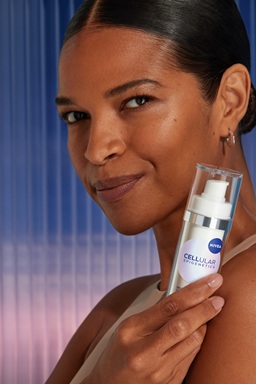
A consistent skincare routine helps support hydration and the skin barrier, two important aspects of skin longevity. The NIVEA Cellular Epigenetics range combines ingredients such as Epicelline® and Hyaluronic Acid as part of a complete daily skincare routine designed to care for visible signs of ageing. Inspired by epigenetics, the range was developed using patented Age Clock® technology, which measures the skin’s biological age and led to the discovery of Epicelline®, an innovative ingredient that helps reactivate the skin’s youthful functions.
Start your routine with a gentle cleanse. Cleansing helps remove impurities, excess sebum and daily build-up17, leaving your skin feeling fresh and prepared for the steps that follow.
After cleansing, apply a serum designed to support your skin's changing needs. NIVEA Cellular Epigenetics Age Rewind Serum combines patented Age Clock Technology®, Epicelline® and three types of Hyaluronic Acid (macro, medium and micro). It is clinically proven to help rewind skin age in 2 weeks* and improve the appearance of 10 signs of skin ageing, including wrinkle volume, deep wrinkles, elasticity, lifting effect, skin resilience, radiance, plumpness, firmness, hydration and smoothness.
*Clinical studies involving 30 to 43 women, using self-assessment, expert assessment or instrumental measurement after 2 weeks.


The eye area often benefits from targeted care due to its delicate nature. Applying an eye serum following your facial serum helps provide focused care for this area as part of your routine. NIVEA Cellular Epigenetics Age Rewind Eye Serum combines Epicelline-X®, cryogenic properties, a Tri-Peptide and Hyaluronic Acid. Its Cryo technology provides up to 3°C of cooling to the skin for an instant anti-puffiness effect, leaving the eye area looking more awake, youthful and refreshed.*
*Instrumental test, 2 minutes after application, 23 participants.
Moisturising helps maintain skin hydration and supports the skin barrier as part of a consistent skincare routine18.
- Morning:
Apply NIVEA Cellular Epigenetics Age Rewind Day Cream SPF30 as the final step before sun protection. Formulated with Epicelline®, 3x Hyaluronic Acid and SPF 30, it provides daily care and SPF30 to help reduce the appearance of visible signs of ageing while protecting the skin from UV rays.
- Evening:
Complete your evening routine with NIVEA Cellular Epigenetics Age-Rewind Night Cream. Formulated with Epicelline®, 3x Hyaluronic Acid, and Provitamin B5, this night care is designed to support the skin’s overnight renewal and helps reduce the appearance of five visible signs of ageing, leaving skin looking firmer, smoother, more radiant and plumper.
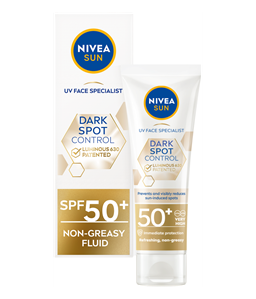
Using sunscreen helps protect your skin from UV exposure, one of the main external factors linked to visible skin ageing[9]. While your day care contains SPF 30, applying enough product and using a dedicated sunscreen when spending time in the sun helps maintain protection. Choose a broad-spectrum facial sunscreen with SPF 30 or higher that suits your skin type and level of UV exposure.
Summary
Skin longevity is a long-term approach to skincare that focuses on caring for the skin’s natural functions as it changes. Understanding the factors that influence skin, how it evolves throughout life and the role of consistent skincare can help you build a routine that supports hydration, the skin barrier and healthy-looking skin.
FAQs
Longevity beauty is an increasingly popular approach focused on maintaining the skin’s healthy-looking appearance through consistent skincare and long-term lifestyle habits, such as a balanced diet, sufficient sleep and regular physical activity. Skincare is one part of the longevity beauty approach, encouraging routines that adapt to the skin’s changing needs throughout life and help maintain a healthy-looking, radiant complexion.
Skin longevity and anti-ageing skincare have some similarities but take different approaches. Anti-ageing skincare often focuses on reducing the appearance of visible signs of ageing, while skin longevity focuses on supporting the skin's natural functions, hydration and resilience throughout every stage of life to help it age well.
There is no specific age to start thinking about skin longevity. Building good diet, lifestyle, and skincare habits early and adapting your routine as your skin changes may help support its needs throughout every stage of life.
Habits that may help support skin longevity include maintaining a consistent skincare routine, using daily sun protection, staying hydrated, eating a balanced diet, getting enough sleep and adapting your routine to your skin's changing needs.
A consistent skincare routine can help support skin longevity by maintaining hydration, caring for the skin barrier and supporting the skin's natural cell renewal process. Skincare products formulated with research-backed ingredients may also help care for skin as it changes.
Ingredients such as Hyaluronic Acid, Peptides and Antioxidants are commonly used in skincare to support hydration, skin resilience and a healthy-looking complexion as the skin changes over time. Epicelline®, a patented NIVEA ingredient, is designed to support the skin’s natural renewal processes and help reduce the appearance of visible signs of ageing.
Related
Products
Related
Articles
Sources
- Nwaopara, A.; Woolery-Lloyd, H. A Review of the Effects of Lifestyle Factors on Skin Aging. American Journal of Lifestyle Medicine 2026. https://doi.org/10.1177/15598276261450495
- Ganceviciene, R.; Liakou, A. I.; Theodoridis, A.; Makrantonaki, E.; Zouboulis, C. C. Skin Anti-Aging Strategies. Dermato-Endocrinology 2012, 4 (3), 308–319. https://doi.org/10.4161/derm.22804
- Kream, E.; Fabi, S. G.; Boen, M. Skinspan: A Holistic Roadmap for Extending Skin Longevity With Evidence‐Based Interventions. Journal of Cosmetic Dermatology 2025, 24 (9), e70432–e70432. https://doi.org/10.1111/jocd.70432
- Haykal, D.; Flament, F.; Abdayem, R.; Lee, D. H. Toward New Clinical Evaluation Models for Skin Longevity: The Need for Predictive and Accelerated Approaches. GeroScience 2026, 48 (1), 229–231. https://doi.org/10.1007/s11357-025-01913-1
- Zouboulis, C. C.; Adjaye, J.; Akamatsu, H.; Moe-Behrens, G.; Niemann, C. Human Skin Stem Cells and the Ageing Process. Experimental Gerontology 2008, 43 (11), 986–997. https://doi.org/10.1016/j.exger.2008.09.001
- National Institute on Aging. Skin Care and Aging. Skin Care and Aging. https://www.nia.nih.gov/health/skin-care/skin-care-and-aging (accessed 2026-07-14)
- Salih, A.; Nichols, T. E.; Szabo, L.; Petersen, S. E.; Zahra Raisi-Estabragh. Conceptual Overview of Biological Age Estimation. Aging and Disease 2023, 14 (3), 583–583. https://doi.org/10.14336/ad.2022.1107
- Rodríguez-Rodero, S.; Fernández-Morera, J. L.; Edelmiro Menéndez-Torre; Calvanese, V.; Fernández, A. F.; Fraga, M. F. Aging Genetics and Aging. Aging and Disease 2011, 2 (3), 186
- Amaro-Ortiz, A.; Yan, B.; D’Orazio, J. Ultraviolet Radiation, Aging and the Skin: Prevention of Damage by Topical cAMP Manipulation. Molecules 2014, 19 (5), 6202–6219. https://doi.org/10.3390/molecules19056202
- Bocheva, G.; Slominski, R. M.; Slominski, A. T. Environmental Air Pollutants Affecting Skin Functions with Systemic Implications. International Journal of Molecular Sciences 2023, 24 (13), 10502. https://doi.org/10.3390/ijms241310502
- Pullar, J. M.; Carr, A. C.; Vissers, M. C. M. The Roles of Vitamin C in Skin Health. Nutrients 2017, 9 (8), 866. https://doi.org/https://doi.org/10.3390/nu9080866
- Lain, E. T.; Agrawal, N.; Ruvolo, E.; Weise, J. M.; Callender, V. D. The Role of Coenzyme Q10 in Skin Aging and Opportunities for Topical Intervention: A Review. The Journal of Clinical and Aesthetic Dermatology 2024, 17 (8), 50
- Veiga, E.; Ferreira, L.; Correia, M.; Pires, P. C.; Hameed, H.; Araújo, A. R. T. S.; Cefali, L. C.; Mazzola, P. G.; Hamishehkar, H.; Veiga, F.; Paiva-Santos, A. C. Anti-Aging Peptides for Advanced Skincare: Focus on Nanodelivery Systems. Journal of Drug Delivery Science and Technology 2023, 89, 105087. https://doi.org/10.1016/j.jddst.2023.105087
- Levin, J.; Momin, S. B. How Much Do We Really Know About Our Favorite Cosmeceutical Ingredients? The Journal of clinical and aesthetic dermatology 2010, 3 (2), 22
- Schild, J.; Kalvodová, A.; Zbytovská, J.; Farwick, M.; Pyko, C. The Role of Ceramides in Skin Barrier Function and the Importance of Their Correct Formulation for Skincare Applications. International Journal of Cosmetic Science 2024, 46 (4), 526–543. https://doi.org/10.1111/ics.12972
- Beiersdorf brings epigenetic innovation to the mass market: NIVEA serum featuring skin rejuvenation ingredient EPICELLINE® | Beiersdorf. Beiersdorf.com. https://www.beiersdorf.com/newsroom/press-information/all-press-releases/2025/08/13-beiersdorf-brings-epigenetic-innovation-to-the-mass-market (accessed 2026-07-14)
- Mukhopadhyay, P. Cleansers and Their Role in Various Dermatological Disorders. Indian Journal of Dermatology 2011, 56 (1), 2. https://doi.org/10.4103/0019-5154.77542
- Harwood, A.; Nassereddin, A.; Krishnamurthy, K. Moisturizers. PubMed. https://pubmed.ncbi.nlm.nih.gov/31424755/ (accessed 2026-07-14)