What is Epigenetics?
How It Works and Affects Your Skin
6 Epigenetic Factors and
Their Impact on the Skin
Epigenetic changes, which play a role in how genes are expressed in the skin, may be influenced by environmental and lifestyle factors. This can affect the skin’s ability to renew itself, respond to inflammation and support Collagen production. Over time, these processes may influence the skin’s overall appearance and condition. Everyday external factors, such as UV exposure, pollution and lifestyle habits, may influence gene expression and could affect the skin over time.

- UV exposure and skin ageing:
It is well known that UV rays can induce oxidative stress, inflammatory reactions, DNA damage and reduce immune responses. However, they can also trigger epigenetic changes³. All these effects can accelerate skin ageing, leading to the appearance of wrinkles and brown spots, for example. Sun protection can help protect the skin from these changes and contribute to slowing down the process of premature skin ageing induced by UV rays.
- Pollution and inflammation:
Pollution can cause inflammation and oxidative stress⁴, which could lead to epigenetic changes resulting in increased Collagen degradation. Regular cleansing and an intake of antioxidants could help protect the skin from some of these effects.
- Diet and Skin Appearance:
Foods rich in antioxidants help to protect the skin from oxidative stress, while a poor diet can trigger inflammation and skin lesions. Oxidative stress and inflammation may promote epigenetic changes⁵ and skin ageing. A balanced diet can help maintain healthy-looking skin.
- Stress and skin sensitivity:
Chronic stress could activate certain genes that cause inflammation, which could lead to breakouts and dry skin. Managing stress helps keep skin calm and balanced.
- Sleep and skin regeneration:
Insufficient sleep disrupts the skin’s natural repair processes⁶, while 7–9 hours of quality sleep can help support cell regeneration and healing. Getting enough rest is essential for maintaining healthy-looking skin.
- Exercise and collagen production:
Exercise boosts blood flow and activates genes that promote Collagen production7, helping skin stay firm and elastic. As a result, regular exercise can support youthful-looking skin.
4 Ways to Support
Healthy-Looking Skin
To keep skin looking healthy, it’s important to support the natural processes happening in the body. Here's how you could improve the appearance of your skin by following these few general tips that could have an influence on epigenetic changes.
- Eat a Balanced Diet:
Eating foods full of vitamins and antioxidants could help Protect your skin and reduce stress on your cells by fighting free radicals that cause damage⁸.
- Get Enough Sleep:
Sleep is essential for skin repair. When you rest, your skin works hard to fix damage and refresh itself⁶. Aim for 7–9 hours of quality sleep each night to support this natural healing process and maintain healthy-looking, radiant skin.
- Protect Your Skin from the Sun:
UV rays can harm your skin over time, leading to wrinkles or sunburn9. Wearing sun cream helps Protect your skin and keeps it safe from this damage.
- Manage Stress:
Stress could encourage breakouts or show signs of ageing faster¹⁰. Relaxing with things like meditation or taking time for yourself helps keep skin calm and clear.

How to Incorporate Epicelline into
Your Skin Care Routine

1. Cleanser:
Start with a gentle, non-stripping cleanser to Cleanse dirt, oil, and pollutants from the surface of the skin. Pollution and environmental toxins can trigger oxidative stress and inflammation, which could have a negative epigenetic effect on the skin, leading to premature ageing. Neglecting the cleansing stage could also encourage the appearance of imperfections. A good cleanser clears these impurities without disrupting the skin barrier, ensuring that the skin is clean and ready to absorb the next steps in your routine.
Discover NIVEA's range of cleansers, designed to suit all skin types. From gentle micellar water to pore-refining cleansers, NIVEA offers a variety of products to Cleanse and refresh your skin.
Explore NIVEA Face Cleansers >
2. Toner:
After cleansing, use a toner to help restore the skin’s pH balance and ensure any remaining impurities are removed. Toners help refresh the skin and prepare it for the next steps in the skincare routine. Some toners contain ingredients like witch hazel, aloe vera, or rose water, which have soothing properties. After cleansing, use a toner to help restore the skin’s pH balance and ensure any remaining impurities are removed. Toners help refresh the skin and prepare it for the next steps in the skincare routine. Some toners contain ingredients like witch hazel, aloe vera, or rose water, which have soothing properties.
Explore the NIVEA range of toners, formulated to balance and refresh your skin. Whether you’re looking to tighten pores, Hydrate or Revitalize, NIVEA offers a variety of toners to complement your skincare routine, leaving your skin feeling fresh and rejuvenated.
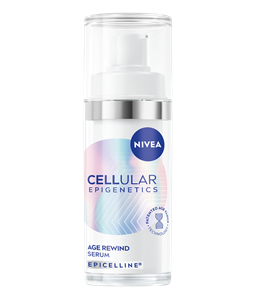
NIVEA CELLULAR Epigenetics Age Rewind Serum
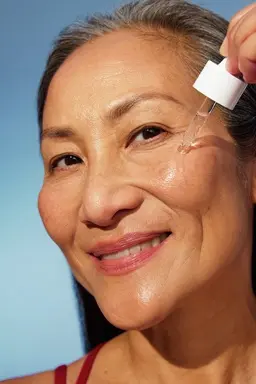
A high-performance serum is essential for targeting specific skin concerns and supporting renewal at a cellular level. The NIVEA CELLULAR Epigenetics Age Rewind Serum, with its patented Age Clock Technology® and breakthrough ingredient Epicelline® inspired by epigenetics, is clinically proven to rewind skin age in 2 weeks*, helping to reactivate the youthful functions of skin cells. It also contains three types of Hyaluronic Acid – macro, medium and micro – to help lock in moisture and smooth out wrinkles. Designed to target the signs of ageing, this advanced anti-ageing formula improves 10 visible signs of skin ageing, such as wrinkle volume, firmness and elasticity, for smoother, younger-looking, more radiant skin.
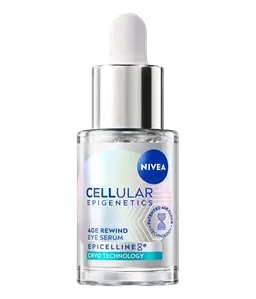
NIVEA CELLULAR EPIGENETICS Age Rewind Eye Serum 15ml
The delicate eye area is often one of the first places to show visible signs of ageing, making a targeted eye care product an important step in your skincare routine. NIVEA CELLULAR EPIGENETICS Age Rewind Eye Serum 15ml is an advanced eye serum that combines the skin longevity active Epicelline-X®, an innovative ingredient inspired by epigenetic research, with Tripeptides and Hyaluronic Acid. Working at a cellular level, it helps reverse 4 visible signs of ageing around the eyes in just 2 weeks*: crow’s feet, expression lines, loss of firmness and dull-looking skin. Powered by Cryo Technology, this eye serum provides up to 3°C* of cooling sensation to help reduce the appearance of puffiness and support depuffing. With its lightweight, fast-absorbing formula, it helps reduce the appearance of wrinkles from 2 weeks and improves the look of the delicate eye area for a younger-looking eye contour after 4 weeks.**
*Instrumental test, 2 minutes after application, 23 participants.
** Instrumental measurement and self-scoring, 41 to 42 women.
Moisturiser
A moisturiser helps lock in hydration and support the skin barrier, protecting the skin from moisture loss and everyday environmental stressors. As skin matures, maintaining hydration levels becomes increasingly important for preserving a smooth, supple and healthy-looking complexion and supporting skin longevity.
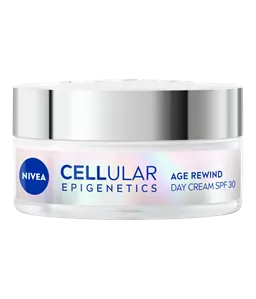
Day: NIVEA CELLULAR EPIGENETICS Age Rewind Day Cream SPF30
Formulated with EPICELLINE-X® and three types of Hyaluronic Acid, this clinically proven day cream helps strengthen the skin’s natural defence system against daily ageing factors while supporting the skin’s renewal process. Designed to help rewind skin age in 2 weeks and reactivate youthful functions, the formula also features SPF 30 to provide essential daily UVA and UVB protection, helping to defend against one of the key external epigenetic factors associated with premature skin ageing. If you’re exploring
epigenetics what is itand epigenetic meaning in skincare, this moisturiser shows how epigenetic factors such as sun exposure can impact the skin over time. Don’t forget to apply a high SPF sun cream when spending time in direct sunlight and reapply regularly throughout the day to help maintain protection.
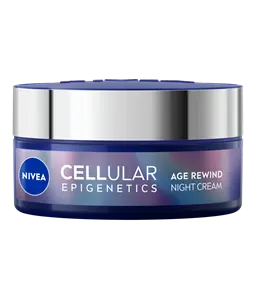
Night: NIVEA CELLULAR EPIGENETICS Age-Rewind Night Cream
At night, the skin naturally enters a period of repair and renewal. Formulated with EPICELLINE-X® and three types of Hyaluronic Acid, this night cream is clinically proven to rejuvenate and recover skin during your sleep, helping to support the skin’s overnight renewal process while delivering hydration. Designed to help reverse 5 visible signs of ageing associated with daily factors* – sun exposure, pollution, stress, diet and lack of sleep – the nourishing formula with Provitamin B5 helps leave skin feeling rejuvenated and revitalised by morning, for younger- and healthier-looking skin from first use.
*Skin that appears firmer, younger, healthier, more radiant and plumper, based on clinical studies involving 53 women: self-assessment, expert assessment or instrumental measurement after 2 weeks.