Skin Rejuvenation:
TIPS AND ROUTINE
What is
Skin Rejuvenation?
Why should you
Rejuvenate Your Skin?

- To address signs of ageingAs you age, your skin naturally loses elasticity and Collagen, which can lead to the appearance of wrinkles, fine lines and sagging skin. Skin care products that help give your skin a rejuvenated appearance can help reduce these signs and bring back your skin’s natural radiance.
- Improving skin texture and toneSkin irregularities such as uneven tone, rough texture or sun spots are often the result of environmental factors such as exposure to UV rays. Anti-ageing and anti-spot skincare products can help even out your skin’s tone and texture, restoring a smoother-looking complexion.
- To limit the effects of sun damageProlonged exposure to the sun can cause damage such as sun spots, brown spots and premature ageing, giving your skin an older appearance. Some signs of ageing can be improved with the right skin care products, such as anti-spot or anti-wrinkle products. However, it’s important to remember that prevention and using appropriate sun protection are your priority measures in the fight against the effects of UV rays.
- To address blemishesFacial blemishes can leave you feeling self‑conscious. Skincare designed for skin with imperfections can help smooth your skin’s surface and minimise the appearance of blemishes, helping you feel more confident and comfortable in your own skin.

6 ways to
Rejuvenate Your Skin
- Eat a skin‑friendly dietFocus on foods rich in Vitamins C and E, antioxidants and healthy fats to give your skin the elements it needs to repair itself.
- Stay hydratedDrink enough water throughout the day to keep your skin cells hydrated from the inside out. Hydration helps maintain skin elasticity, promotes healing and protects your skin from dryness.
- Prioritise your sleepTry to get 7–9 hours of quality sleep each night. While you sleep, your skin goes through a natural repair process, producing new cells and rebuilding damaged tissues.
- Protect your skin from the sunDaily sun protection is important to help prevent UV damage. Applying sunscreen every day helps maintain healthy-looking skin and prevents premature ageing caused by sun exposure.
- Add facial massage practicesIncorporate simple facial rejuvenation techniques such as gentle facial massage to stimulate blood circulation. Although evidence of the effectiveness of these techniques is limited, gentle massages don’t carry any significant health risks and can also give you a lovely sense of well‑being.
- Stick to a skincare routineDaily cleansing removes impurities and dead cells to limit the effects of pollution and encourage renewal of the skin’s cell layers. Moisturising in the day and at night helps maintain hydration and strengthen the skin barrier, supporting skin regeneration.
Skincare routine to give
Your Face a Rejuvenated Look
Start by washing your face with a gentle cleanser to remove impurities, excess sebum and dead skin cells. A clean face sets the stage for healthy skin renewal. Try the NIVEA Skin Glow Serum Infused Micellar Water, which removes waterproof make‑up and impurities while illuminating and moisturising the skin for a more even and glowing complexion. This micellar water is enriched with a 5% serum containing Vitamin C and E, plus an Amino Acid Complex for gentle cleansing without greasy residue.

Skin Rejuvenation
What is skin rejuvenation?
Facial rejuvenation is about achieving a youthful effect for facial skin and helping restore a smooth, radiant appearance by using treatments that stimulate skin renewal and target signs of ageing such as wrinkles, dullness and uneven skin tone.
Skin rejuvenation vs skin regeneration
Skin rejuvenation focuses on improving the appearance of the skin, while skin regeneration is the process of repairing and replacing damaged skin cells.
How does skin rejuvenation support youthful skin?
By stimulating cellular activity and improving skin texture, skin rejuvenation helps to counteract the natural decline in skin renewal. Treatments and skincare can act by encouraging the natural production of Collagen, helping the skin maintain a fresh, youthful complexion.


Skincare ingredients for
Skin Rejuvenation

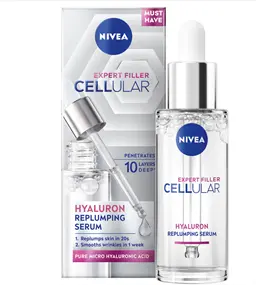
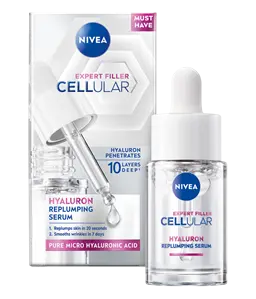
- Hyaluronic AcidA naturally hydrating agent that helps the skin retain moisture. It hydrates and plumps the skin, smoothing out fine lines while improving elasticity. By strengthening the skin’s moisture barrier, this ingredient can also help to prevent dryness.
- Coenzyme Q10
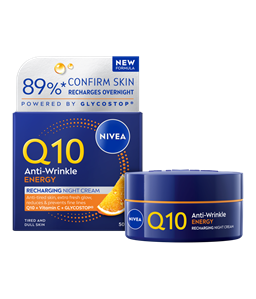
An antioxidant that stimulates skin cells and supports skin renewal. Q10 occurs naturally in your skin, but levels decrease with age. Skincare products with Q10 can help reduce wrinkles caused by free radicals and preserve your skin’s firmness and elasticity.
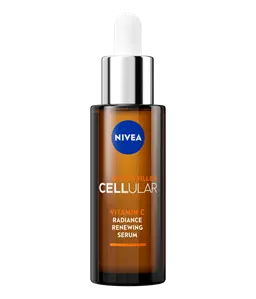
- Vitamin CA well‑known antioxidant that helps to brighten the skin and give it a more radiant appearance. By combating the free radicals responsible for skin ageing, it can help fight visible signs of ageing.
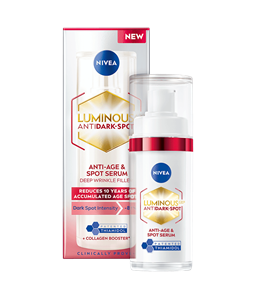
- ThiamidolThiamidol is a patented active ingredient developed by NIVEA, specifically designed to target hyperpigmentation. It effectively reduces the appearance of dark spots and uneven skin tone, promoting a brighter complexion.
- EpicellineEpicelline is a revolutionary ingredient inspired by epigenetic science that helps to reactivate the youthful functions of skin cells, giving your skin a younger, revitalised appearance.
Are anti‑ageing treatments and skin rejuvenation effective for all skin types?
- Sensitive skin:Choose gentle methods to prevent irritation. Use soothing ingredients such as Liquorice Extract, Aloe Vera and Chamomile, and avoid over‑exfoliating, which can damage the skin barrier.
- Dry skin:For dry skin, moisturising is essential. Use moisturising products containing, for example, Argan Oil and Squalane to help strengthen the skin barrier, maintain hydration and support cell renewal. Gentle exfoliation also helps remove flaky skin and improve texture.
- Oily skin:As well as using anti‑ageing skincare products, it’s important to maintain the balance of oily skin and control excess sebum by deep cleansing with gentle but effective cleansers. If you’re dealing with imperfections, light, non‑comedogenic products and ingredients such as Salicylic Acid can help to unclog pores and reduce the appearance of imperfections, which can be responsible for brown spots and uneven skin tone. Tackling these imperfections will therefore contribute to clearer, younger‑looking skin.
- Combination skin:A balanced approach works best for combination skin. Target oily areas with ingredients such as Niacinamide, while hydrating drier areas with ingredients such as Hyaluronic Acid.
- Mature skin:When your skin is older, you can usually expect more moderate results. It’s important to use suitable skincare products on a regular basis for optimum results. Mature skin often has brown spots and wrinkles, so using anti‑dark spot and anti‑ageing products with Thiamidol and a Collagen booster can help you achieve more even‑toned, firmer, younger‑looking skin.
What is the difference between skin rejuvenation and skin regeneration?
Skin regeneration: a continuous process where damaged or aged skin cells are repaired and replaced with new ones. By supporting the skin’s natural healing and renewal processes, it strengthens the skin’s structure and resilience. Certain skincare products can enhance this regeneration process by promoting cell turnover, hydrating the skin and clearing away dead skin cells for healthier, revitalised‑looking skin.
Summary
FAQs
Related
Articles