What is skin elasticity and
how can you improve it?
What is
SKIN ELASTICITY?
However, several factors can affect skin elasticity, including ageing, environmental influences, and genetics. This article explores the concept of skin elasticity, the crucial role played by collagen, six factors that contribute to changes in elasticity, and practical ways you can help to enhance it. You’ll also find NIVEA products that can be beneficial, plus a simple skincare routine that you can tailor for both men and women.
ELASTIN?
Elastin, a vital protein, plays a crucial role in your skin’s health. It’s responsible for the skin's ability to stretch and bounce back, giving it elasticity. Elastin fibres are like the springs in a mattress, allowing your skin to flex and return to its original shape when stretched or compressed. This elasticity helps keep skin smooth and prevents sagging, making elastin a cornerstone of youthful-looking skin.

- Age:
Elastin production naturally decreases with age, which can lead to reduced skin elasticity over time.
- Sun exposure:
Prolonged and unprotected sun exposure can damage elastin fibres, contributing to sagging skin and wrinkles.
- Smoking:
Smoking has been linked to reduced elastin production and can speed up the visible ageing of your skin.
- Diet:
A nutrient-rich diet, particularly one containing antioxidants like vitamins C and E, can support elastin production and overall skin health.
- Hydration:
Good hydration is essential for healthy-looking skin and supports elastin production.
- Skin care:
Using products with ingredients like retinoids and peptides can help stimulate elastin production and support youthful-looking skin.
It’s important to be mindful of these factors and build in healthy habits and skincare practices to help preserve and boost elastin production so your skin can retain its youthful resilience for longer.
Collagen and
SKIN ELASTICITY
Structural support: Collagen forms a dense network in your skin, providing structural support and helping to prevent sagging.
Skin firmness: Collagen helps keep skin firm and taut, contributing to a youthful appearance.
Collaboration with
ELASTIN

Collagen production in the skin is influenced by a variety of factors, including:
Dietary factors:
- Protein intake: A diet rich in high-quality protein, such as lean meat, fish and dairy, provides the essential amino acids needed for collagen synthesis.
- Vitamins and minerals: Nutrients like vitamin C, zinc and copper are crucial for collagen production. Citrus fruits, nuts and wholegrains are good dietary sources.
- Antioxidants: Antioxidant-rich foods such as berries, leafy greens and green tea can help defend against oxidative stress, helping to preserve collagen in the skin.
Lifestyle factors:
- UV exposure: When skin is exposed to UV rays without proper sun protection, collagen fibres can break down more quickly, which is why sun protection is essential for maintaining collagen levels.
- Smoking: This can constrict blood vessels and reduce the flow of oxygen and essential nutrients to the skin. This lack of vital resources accelerates collagen breakdown, contributing to premature ageing and less elastic skin.
- Stress and sleep: Chronic stress and insufficient sleep can disrupt collagen production. Elevated stress levels trigger an increase in cortisol, which in turn breaks down collagen, leading to reduced skin elasticity.
Age-related factors:
- Natural ageing: Collagen production naturally begins to decline in the mid-to-late 20s. Over time, this contributes to the development of wrinkles and sagging skin.
Addressing these factors through a balanced diet, good sun protection, a healthy lifestyle and stress management may help to preserve collagen and support overall skin elasticity, promoting a more youthful-looking appearance.
You can also help enhance skin elasticity by building in specific skincare products designed to support collagen production and promote firmer-looking skin.
SKIN ELASTICITY
What is skin elasticity?
Skin elasticity refers to your skin's ability to stretch and return to its original shape. It’s vital for a youthful-looking appearance.
What is elastin?
It’s a crucial protein that gives skin its stretch and bounce-back ability, a bit like the springs in a mattress. Elastin helps keep skin smooth and prevents sagging.
Collagen’s importance for skin elasticity
Collagen provides structural support, helping to keep your skin firm and taut. It works hand in hand with elastin to support skin health.
Factors affecting skin elasticity
Try to prioritise a balanced diet, good sun protection, and a personalised skincare routine, including cleansing, exfoliation, toning, serum, moisturising and daily sun protection.
Skincare routine to
BOOST SKIN ELASTICITY
Step 1: Cleansing
Cleansing is an essential first step in any skincare routine, as it effectively removes dirt, impurities and excess oil from the skin's surface, setting the foundation for a healthier and more radiant-looking complexion.
Use an exfoliant with Alpha Hydroxy Acids (AHAs) or Beta Hydroxy Acids (BHAs) to promote cell turnover and remove dead skin cells.
Apply a pH-balancing toner to replenish moisture and prepare your skin for the next steps in your routine.

Step 4: Serum
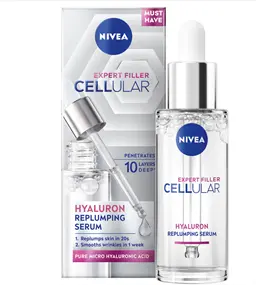
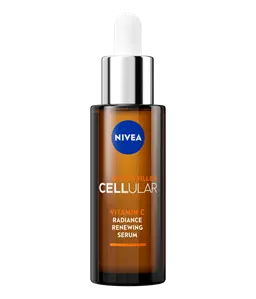
Build in a serum containing collagen-supporting ingredients such as hyaluronic acid, bakuchiol, Q10 and peptides. These components help support collagen production and bolster skin firmness. NIVEA Cellular Luminous630 2-in-1 Anti-Age & Dark Spot Serum uses hyaluronic acid to support collagen and elastin production, which works to help visibly fill deep wrinkles for more even-looking skin.
Step 5: Moisturising
Use a moisturiser enriched with hydrating ingredients like hyaluron and glycerin to lock in moisture and help maintain skin elasticity.
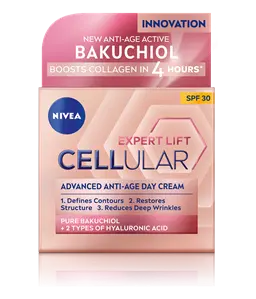
One option is the NIVEA Cellular Expert Lift Day Cream SPF30, offering 48 hours of deep hydration and a collagen-boosting formula, with added SPF30 to help protect against the effects of UV rays and prevent skin sagging.
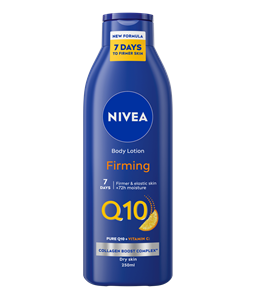
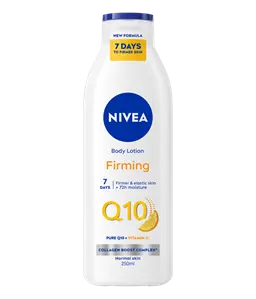
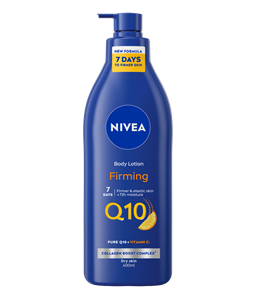
You can also try NIVEA’s Q10 Multi-Power 4 IN 1 Firming Cream for an all-round body moisturiser that harnesses the power of Coenzyme Q10. This powerful ingredient works with your skin to help improve its firmness and elasticity for improved contours.
Step 6: Sun protection
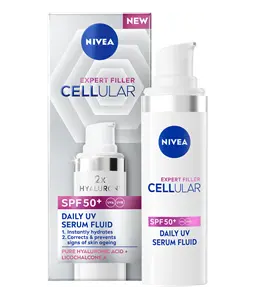
Protect skin from UV damage using a daily SPF30+ sunscreen, even on overcast days, to help maintain firmer, smoother-looking skin.
Face sunscreens are often infused with ingredients such as vitamin E or hyaluronic acid to further help preserve youthful-looking skin.
Step 7 (night-time):
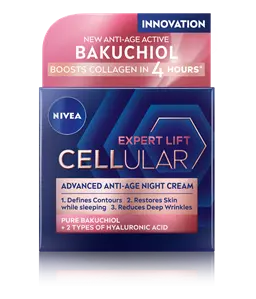
In the evening, follow a similar routine, but consider using a richer night cream or a product infused with retinol, known for its collagen-boosting properties. NIVEA Cellular Expert Lift Advanced Night Cream uses bakuchiol to support collagen production, with the aim of smoothing and helping to restore skin elasticity.
If you’re looking to enhance skin elasticity further, it can be helpful to speak to a dermatologist, who can recommend advanced treatments tailored to your skin’s needs.
SUMMARY
Skin elasticity sits at the heart of youthful, vibrant-looking skin and is largely governed by the presence of collagen and elastin. A range of factors, including age, sun exposure, smoking, diet, hydration and your skincare routine, can influence this vital characteristic.
To nurture and help enhance skin elasticity, it’s a good idea to prioritise a balanced diet, protect your skin from harmful UV rays and follow a simple, personalised skincare regimen. If you have a specific skincare concern that needs more specialised attention, consider speaking to a dermatologist, who can guide you towards advanced treatment options.
FAQs
FAQs