What Is Skin Glycation?
THE EFFECTS OF SUGAR ON SKIN
What Is
SKIN GLYCATION?
When you’re asking yourself “what is glycation?” in the context of skin health, AGEs play a significant role in the ageing process. They can accumulate in the skin over time, leading to the cross-linking and stiffening of proteins such as Collagen and Elastin.
In simple terms, glycation affects your skin's elasticity and suppleness, leading to advanced signs of ageing. Understanding the definition of glycation and how glycation and skin are linked is important for adopting preventive measures, exploring anti glycation skin care and maintaining more youthful-looking skin.
6 Causes of
SKIN GLYCATION

Causes of skin glycation include factors such as diet, genetics, lifestyle choices, high blood sugar levels, oxidative stress, and age. Here are the main causes for the advancing of skin glycation so you can better understand glycation and skin and make small changes that really help:
- DietHigh-sugar diets can increase the rate at which AGEs form, accelerating skin glycation and contributing to dull, tired-looking skin.
- GeneticsGenetics play a role in an individual’s susceptibility to glycation, affecting how their skin responds to elevated sugar levels and how quickly signs of glycated skin can appear.
- Lifestyle decisionsSmoking, excessive alcohol consumption, and exposure to environmental pollutants can increase glycation and contribute to more visible sugar damage on your skin.
- High blood sugar levelsElevated blood sugar directly catalyses glycation, leading to the formation of AGEs that compromise skin structure and speed up skin ageing.
- AgeingThe natural ageing process reduces the body’s Collagen regeneration ability, making your skin more susceptible to the effects of sugar and the visible signs of glycation skin.
- UVA raysExposure to UV rays increases the accumulation of AGEs and their effects on the body, which can worsen the impact of glycation on your skin.
Is Sugar Bad
FOR YOUR SKIN?
Excessive sugar, especially refined, increases insulin and inflammation, worsening the impact on your skin. Mindful sugar intake isn’t just for general health but also helps preserve your skin’s youthful appearance and resilience.
Reducing sugar intake is a powerful tool for positively influencing skin appearance, as it can also impact processes like glycation. Picture it as a personalised skincare routine you control through your food choices. When you cut back on sugars, you’re essentially giving your skin a breather from the glycation process. Less sugar means fewer chances for those sugar molecules to disrupt Collagen and Elastin. It’s a subtle yet effective way to support your skin’s natural resilience and maintain a radiant complexion, especially when you combine it with targeted anti glycation skin care.
5 Signs of
GLYCATED SKIN:

- Wrinkles and fine linesGlycated skin may age prematurely, resulting in fine lines and wrinkles that appear earlier or look more pronounced than you’d expect for your age.
- Loss of elasticityCollagen and Elastin both help to give skin its bounce; sugar impairs their ability to do this, leaving your skin feeling less firm and springy.
- Uneven complexionBy reacting with proteins, sugar has the potential to activate inflammation which in turn could lead to redness and an uneven tone across your face.
- Dull skinGlycation can affect the skin’s ability to regenerate and repair itself. As a result, your skin may appear dull, and its natural radiance may reduce.
- Dry skinGlycated proteins are less able to retain moisture, resulting in a dehydrating effect on the skin, leaving it feeling tight and dried out.
Early intervention allows you to use more effective strategies to counteract the effects of glycation, preserving your skin’s natural vitality for longer.
How to Prevent
SKIN GLYCATION AND SUGAR DAMAGE TO SKIN

- Balanced dietOpt for a diet rich in antioxidants, vitamins, and minerals. Include colourful fruits and vegetables, which are packed with nutrients that help reduce oxidative stress and support your skin from within.
- Sun protectionShield your skin from harmful UV rays by applying sunscreen daily. Sun protection is a fundamental step in preventing premature ageing and limiting the impact of glycation on the skin.
- Mindful sugar intakeWhile it’s challenging to eliminate sugar entirely, being mindful of your intake can make a significant difference. Opt for whole foods over processed foods rich in refined sugars where possible to support your anti glycation efforts.
- Regular exerciseExercise promotes healthy circulation, delivering essential nutrients to your skin cells. It also helps manage stress, a factor linked to accelerated ageing and glycation.
- Blood sugar regulation:There are various nutritional approaches to regulating blood sugar levels. The most common method, and the one most recognised by scientists, is based on eating foods with a low glycaemic index, which contain less sugar or mainly slow sugars and are rich in fibre.
Skin Glycation
What is glycation: Glycation is a natural process where sugars react with skin proteins, leading to the formation of Advanced Glycation End Products (AGEs). When you’re looking for a simple definition of glycation, you can think of it as sugar attaching to Collagen and Elastin and gradually weakening them.
Effects on skin: AGEs contribute to visible signs of ageing, causing wrinkles, fine lines, and a loss of skin elasticity.
Preventive measures: Reducing excess sugar intake and adopting anti-glycation skin care practices can help reduce its effects.
Antioxidants for anti-ageing skincare: Antioxidants, found in certain foods and skincare products, may help combat the oxidative stress associated with glycation, providing an additional layer of defence against premature ageing.
NIVEA Anti-Glycation
SKINCARE ROUTINE:
Always start both your AM and PM routine with a thorough cleanse to remove impurities and prepare the skin to absorb the nourishing ingredients of your care products. In the morning you may opt for a more refreshing cleanser to awaken your skin, whilst in the evening it is more suitable to use a product suited to removing makeup and impurities that have accumulated throughout the day.
Incorporate exfoliation 2–3 times a week to remove dead skin cells. Exfoliating helps maintain an even skin texture and promotes the turnover of new skin cells.

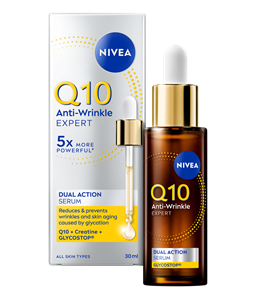
Serums are concentrated solutions that deliver potent ingredients deep into the skin. The new NIVEA Q10 Dual Action Serum with breakthrough GLYCOSTOP® and Q10 is designed to inhibit the glycation process from within the skin*.
*in vitro tested
Maintaining skin hydration is crucial for protecting against the signs of ageing. The NIVEA Q10 Daily UV Fluid SPF 50 containing Pure Q10 and Glycostop® offers powerful defence against UV damage while also helping to prevent glycation, a major contributor to skin ageing. Its lightweight, non-greasy formula gives skin a hydrated, smooth and protected appearance and reduces fine lines and wrinkles. When paired with the NIVEA Dual Action Serum, this fluid is proven to be 5x more powerful and has been shown to be effective on 5 skin parameters: hydration, skin resistance, antioxidant properties, firmness and cell renewal.
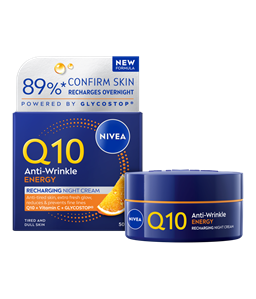
When using a cream in the evening, swap it for a cream specifically formulated for the night, like the NIVEA Q10 Anti-Wrinkle Power Revitalising Night Cream to intensely moisturise your skin whilst you sleep. The carefully created formula with Q10 and Creatine and Hyaluronic Acid helps to support skin’s natural cell renewal process as you sleep, effectively acting on signs of ageing.
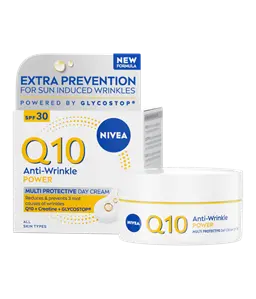
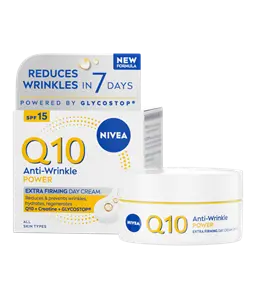
The NIVEA Q10 range harnesses the full power of the antioxidant and energising coenzyme Q10 to help rejuvenate the skin and visibly help attenuate the ageing process. Infused with skin-loving ingredients, this range works to help reduce fine lines and wrinkles, restore firmness, and deeply hydrate, giving your skin a youthful-looking radiant glow.
Adding SPF to your daily skincare routine is vital for keeping skin healthy and protected. Sun exposure can cause long-term damage, but sun filters work by blocking a large proportion of the sun’s rays, helping to maintain a radiant complexion.
NIVEA offers a range of sun protection for all skin types, from high-SPF sunscreens to hydrating formulas for sensitive skin. Whether you prefer a lightweight ultra-fluid protection or a water-resistant moisturiser, the NIVEA Sun range keeps your skin safe every day.
Simple Habits to Limit the
EFFECTS OF GLYCATION FOR ALL AGES:
As you embrace the notion that skincare is a lifelong journey, here are simple and timeless habits that individuals of all ages can incorporate into their daily routines to reduce the effects of glycation and promote overall skin health:
- Eat a Balanced Diet and Stay Hydrated:Make sure you eat a balanced diet, low in sugars and rich in antioxidants, and drink an adequate amount of water daily to keep your skin hydrated from within, supporting its natural resilience.
- Stress Management:Chronic stress can contribute to glycation and premature ageing. Incorporate stress-management techniques such as meditation, deep breathing, or yoga into your routine.
- Adequate Sleep:Quality sleep is a rejuvenating elixir for the skin. Aim for 7–9 hours of sleep each night to support the skin’s repair and regeneration processes.
These simple habits, when woven into your daily life, contribute to a holistic approach to skincare and support everything you do with your anti glycation routine.