What is Folic Acid &
HOW DOES IT BENEFIT YOUR SKIN?
Folic acid: the importance of
VITAMIN B9 IN SKIN CARE
You might already know about Hyaluronic Acid or Vitamin C in anti-ageing skincare. But a key ingredient to look out for is folic acid. So what is folic acid exactly? What are its benefits and why is it so good for anti-ageing skin care for you?
Folic Acid, known as a form of Vitamin B9, is a synthetic version of folate naturally found in foods. Folic Acid is important to your body as it regulates the creation of new healthy cells, including red blood cells that carry oxygen. Your body is unable to produce folate, so having a healthy diet or taking supplements with Vitamin B9 can help prevent you from developing anaemia. It is typically referred to as the vitamin of life.
Folic Acid supports overall cell function, cell growth and the development of new cells, helping to reduce signs of ageing. Folic Acid also helps to hydrate your skin, protects it from the sun, and can help prevent acne from emerging.
The benefits of
FOLIC ACID FOR YOUR SKIN
1. FOLIC ACID REDUCES SIGNS OF AGEING
Applying folic acid regularly stimulates your skin to produce more Collagen, your skin's main structural protein. More collagen means firmer skin – helping you look younger by reducing the signs of premature ageing.
2. FOLIC ACID HAS SUN-PROTECTING PROPERTIES
Further folic acid benefits for your skin include a reduction in sun damage when your skin is exposed to UV rays. The presence of Vitamin B9 can reduce DNA damage to affected skin and, thanks to its skin-firming properties, the drying of skin and wrinkling are less severe when you step out into the sun.
3. FOLIC ACID HELPS MAINTAIN MOISTURE
Folic acid also increases your skin's hydration as it maintains your skin barrier function. This helps to lock in moisture and combat any further signs of dryness.
4. FOLIC ACID HELPS PREVENT ACNE
Using folic acid daily can help minimise toxins throughout your body too. The antioxidants present in Vitamin B9 are known to reduce oxidative stress on the skin. The result? A reduction in the frequency and severity of acne and pimples.
5. FOLIC ACID COMBATS SKIN PIGMENTATION FROM FOLATE DEFICIENCY
One of the symptoms caused by folate deficiency is skin pigmentation. Your skin may start to look more tired when it's lacking folate, and this is where skincare products with Folic Acid (Vitamin B9) can help to bring that radiant glow back.

Applying folic acid regularly stimulates your skin to produce more collagen, your skin's main structural protein.

Incorporating Folic Acid into your diet benefits your health immensely. By boosting your Vitamin B9 intake, you can easily enjoy healthier hair and stronger nails. Folic Acid can help your body fight harmful diseases and reduce neural-tube birth defects during pregnancy, making it an ingredient that supports your body in a number of ways.
Folic Acid can naturally be found in foods including leafy greens like broccoli and asparagus, citrus fruits, sunflower seeds, grains, eggs and seafood. Folic Acid is also found in fortified foods like bread, pasta and cereals. A glass of milk is another excellent source of Folic Acid.
Folic Acid can also be found in supplements and tablets, or in skincare products such as gels, moisturisers, creams and serums. Aloe Vera is a great source of Folic Acid and Vitamin B12, which is also an ingredient used to help improve skin pigmentation.
Add folic acid to your skincare routine
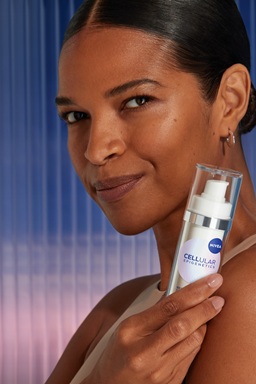
WITH NIVEA'S CELLULAR RANGE
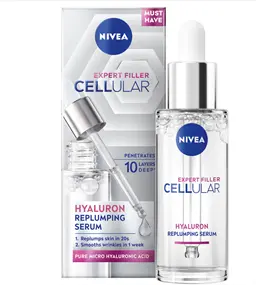
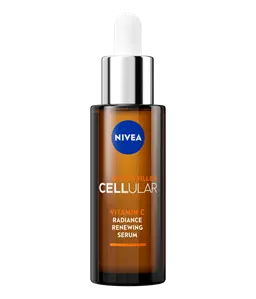
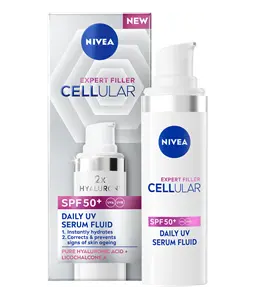
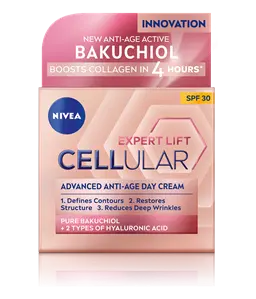
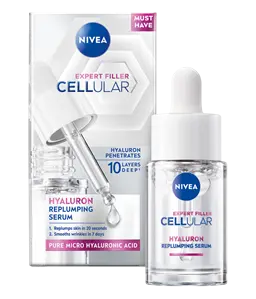
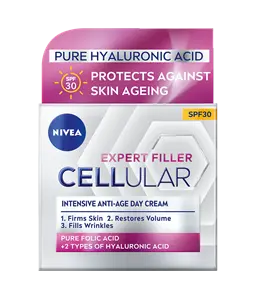
Using two types of Hyaluronic Acid, pure Folic Acid and anti-age performance enhancers (Creatine, Glycerin, Magnolia Extract), the NIVEA Cellular Expert Filler range was formulated to help your skin maintain its natural beauty by treating the root cause and minimising the signs of ageing.
With the NIVEA Cellular Expert Filler range, your anti-ageing skincare routine might look like this: