Men’s Skincare
Science That Works
Male skin explained
Backed by dermatology
Men’s skin is different. Thicker, oilier, and exposed to daily shaving stress. Discover care designed specifically for it.

Men Skin Concern
Hub

Shaving & Grooming
Authority
Reduce irritation. Maximize smoothness. Master the essentials of a clean, comfortable shave.

Refresh your
Men Routine
Hydration
heroes
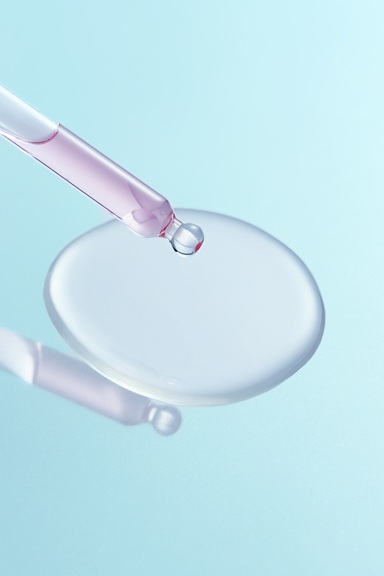
Superstar ingredients your skin will love.
Skin life
hacks
Smarter habits. Better skin. Every day solutions that make a visible difference.
Trending Men
editorial
FAQS
A basic skincare routine for men includes three essential steps: cleansing, moisturizing, and protecting the skin from the sun. Cleansing removes dirt, oil, and sweat that accumulate throughout the day. Moisturizing keeps the skin hydrated and supports the skin barrier, preventing dryness or irritation. During the day, applying sunscreen helps protect the skin from UV damage and premature aging. Men who want to improve their routine can also add targeted products such as exfoliators, serums, or eye creams depending on their skin needs.
Yes. Men’s skin has specific characteristics that benefit from proper skincare. It is generally thicker and produces more oil than women’s skin, which can lead to clogged pores, shine, or acne. Shaving also puts stress on the skin and can cause irritation or razor burn. Using skincare products designed for men helps maintain healthy skin, prevent common concerns, and keep the skin looking fresh and energized.
Men should wash their face twice a day—once in the morning and once in the evening. Morning cleansing removes sweat and oil that accumulate overnight, while evening cleansing removes dirt, pollution, and excess sebum from the day. Washing too frequently can irritate the skin or strip it of natural oils. Using a gentle cleanser suited to your skin type helps keep pores clear without drying out the skin.
Oily skin in men is often caused by higher levels of testosterone, which stimulate the sebaceous glands to produce more sebum. While natural oil helps protect the skin, too much oil can lead to shine and clogged pores. Environmental factors, stress, and using overly harsh cleansers can also increase oil production. A proper skincare routine with a mild cleanser and lightweight moisturizer can help keep the skin balanced.
The best moisturizer depends on your skin type and individual needs. Men with oily or combination skin may prefer lightweight gel or fluid formulas that hydrate without feeling greasy. Those with dry skin often benefit from richer creams that help strengthen the skin barrier. Moisturizers designed for sensitive skin can also soothe irritation caused by shaving or environmental stress.
Razor burn occurs when shaving irritates the skin and hair follicles. This can happen if the skin is not properly prepared before shaving, if the blade is dull, or if too much pressure is applied. Shaving against the direction of hair growth may also increase irritation. Preparing the skin with warm water, using shaving gel or foam, and applying a soothing aftershave product can help reduce redness and discomfort.
Preventing razor burn starts with proper skin preparation. Washing the face with warm water softens the hair and opens the pores. Using shaving gel helps the razor glide smoothly over the skin. Shaving with the direction of hair growth and using a clean, sharp blade can reduce friction. After shaving, applying a soothing aftershave balm helps calm the skin and restore hydration.
Acne in men often results from a combination of excess oil production, clogged pores, bacteria, and hormonal changes. Sweat, stress, and certain skincare products can also contribute to breakouts. Because men’s skin tends to produce more sebum, it may be more prone to acne. Regular cleansing and using non-comedogenic skincare products can help keep pores clear and reduce breakouts.
Dark circles can appear due to fatigue, dehydration, stress, or genetics. The skin around the eyes is thinner and more delicate, which makes discoloration more visible. Getting enough sleep, staying hydrated, and using an eye cream designed to hydrate and refresh the eye area can help reduce their appearance. Cooling ingredients or caffeine in eye care products may also help improve the look of tired eyes.
Preventive skincare can begin in the mid-20s to early 30s, when the skin’s natural collagen production slowly starts to decrease. Using moisturizer and daily sun protection can already help delay the appearance of fine lines and wrinkles. As skin ages, targeted skincare products can support hydration and skin firmness. Consistent skincare habits over time contribute to healthier-looking skin.
Yes. Daily sunscreen is one of the most important steps in skincare. Ultraviolet (UV) radiation from the sun can damage the skin even on cloudy days, leading to premature aging and dark spots. Applying sunscreen every morning helps protect the skin from these effects. It is especially important when spending extended time outdoors.
Facial skin is generally more sensitive and delicate than body skin, which means it often requires specialized products. Body lotions may be heavier and could clog facial pores. Using products designed specifically for the face helps maintain the right balance of hydration without causing breakouts or irritation.
Building a routine can start with just a few easy steps. First, cleanse the face to remove impurities. Second, apply a moisturizer to hydrate the skin and strengthen its protective barrier. Third, use sunscreen during the day to protect against sun damage. Once this routine becomes a habit, men can add additional products such as exfoliators or serums to address specific concerns.
Men’s skin differs in several ways. It is typically thicker, produces more oil, and contains more collagen than women’s skin. These characteristics can make the skin appear firmer for longer but also more prone to oiliness and enlarged pores. Additionally, regular shaving can affect the skin barrier and increase sensitivity. Because of these factors, skincare products designed for men often focus on oil control, hydration, and soothing ingredients.
Shaving removes facial hair but also exfoliates the top layer of skin, which can make the skin more sensitive. Frequent shaving may lead to dryness, irritation, or razor bumps if the skin is not properly cared for. Using shaving products and following with moisturizing skincare can help support the skin barrier and keep the skin comfortable.
Healthy skin depends on a combination of good skincare habits and a balanced lifestyle. Regular cleansing, moisturizing, and sun protection help maintain the skin’s condition. Drinking enough water, getting enough sleep, and managing stress can also contribute to healthier-looking skin. Over time, consistent skincare and healthy habits help the skin look fresh and well cared for.