Teenage skin
care tips
The right care for
every skin type

combination skin
Normal and oily skin areas on your face are common when you're a teenager. Blemished, large-pored and oily skin occurs primarily in the T-zone, i.e. between your forehead, eyebrows, nose and chin. The skin around the T-zone is smooth and has fine pores. The cheek area is dry and sometimes feels tight. A BB cream which lightly covers impurities and protects your skin from the sun with SPF 10 at the same time is ideal here. Using a face cleanser that doesn't contain oil can also help control those teenage skin outbreaks.
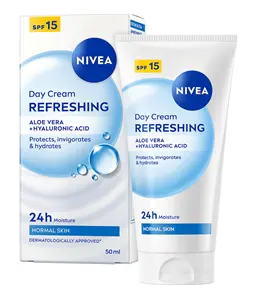
Care tip: as your skin tends to be dehydrated, you can use a day cream with plenty of moisture.
oily skin
Your face is shiny and has large pores. Spots and blackheads spread across your forehead, nose, chin, upper chest area and back. The impurities occur because your sebum production is working flat out. These skin problems are caused by hormonal changes during puberty.
Care tip: don't squeeze your spots – this will cause them to become inflamed and can lead to scars. Use products that are specially made for oily skin, with ‘non-comedogenic’ formulas (this means that they prevent blackheads forming) and have anti-bacterial properties – like many of the products for oily skin from NIVEA. You can be sure that these creams will not clog your skin's pores. What's more, they cover up small impurities and give your skin a slight matte effect.


sensitive skin
Tender, fine-pored, yet delicate skin which is especially sensitive to environmental influences and stress. This can range from slight redness to feelings of tightness right through to allergic reactions. Rough flakes often appear on the skin. Impurities such as spots are therefore less common.
Care tip: your skin needs to be supplied with sufficient moisture at all times. With this skin type, the skin's natural oil and moisture content is very low, because the sebaceous gland performance is low. Use products for sensitive skin without additives such as perfume, for example mild Sensitive Day Care from NIVEA.
normal skin
This skin type is matte and rarely shines, except perhaps when exercising! You might get a spot every now and then, but that's absolutely natural when you're a teenager, as they are caused by hormones. The balance between dry and oily skin is even and pores are relatively fine.
For this skin, you can use a tinted BB cream which not only evens out slight irregularities, but also provides your skin with moisture.

Beauty basics
for teens
Dirt and oil build up on your face throughout the day – it's the ideal hotbed for blackheads and more. This care ritual will keep your complexion fresh and your skin clear of impurities.
5 tips for clear skin
Cleanse your skin regularly in the mornings and evenings. You can remove the oily layer in between using a facial tissue. This allows you to remove excess sebum without stressing your skin.
Don't use hot water for facial cleansing. This stimulates the sebaceous glands to produce more oil.
If you have impurities, leave the toothpaste in the cupboard – instead, use an anti-spot product like Anti-Blemish 3in1 Cleanser from NIVEA, which you can also apply to individual spots overnight as a form of acne treatment.
Keep your hands away from your face. Otherwise your skin will constantly be irritated and bacteria will end up on the surface of the skin.
Do sports and get plenty of exercise in the fresh air. This will get the blood flowing to your skin and give you a fresh complexion.
4 steps for teen skin care
Remove spots properly
No matter how tempting it is, you should never squeeze spots. The pressure can push bacteria further into your skin and cause inflammation.
But if there really is no other way, don't squeeze with just your fingers – put a clean handkerchief between your skin and your fingertips and only apply gentle pressure. Disinfect the affected area of skin afterwards to reduce the risk of infection.
Better yet, go to a beauty salon regularly. You can get your skin cleaned professionally there, meaning that spots will appear much less frequently.

3, 2, 1, go:
a fresh start to the day!

During puberty, your sweat glands develop and you sweat more due to hormonal changes. If the sweat is decomposed by bacteria, an unpleasant smell will develop.
Important: wash every day. Because you sweat at night too, it's best to have a quick shower in the morning. Use a deodorant to make sure you smell great throughout the day.
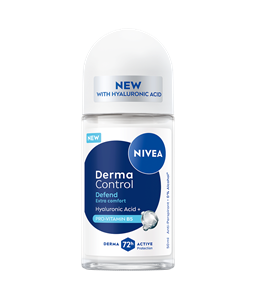
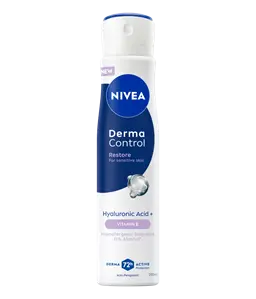
This will help control the bacteria responsible for the smell of sweat. It's best to go for a deodorant that suits your own personal needs, such as Pure & Natural Action Spray from NIVEA, which is aluminium-free and offers 48-hour effective deodorant protection.
for skin and hair
Too strenuous for you?
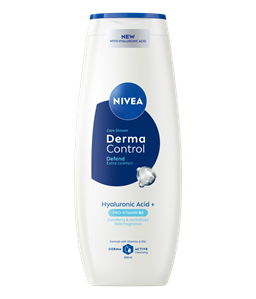
Then rub in the cream while you're in the shower, with In-Shower Body Lotion from NIVEA.
Even when you're washing your hair, you can save a little time in the shower by using a 2-in-1 shampoo and conditioner.