Find out what Glycolic Acid is and its
benefits for your skin
What is
GLYCOLIC ACID?
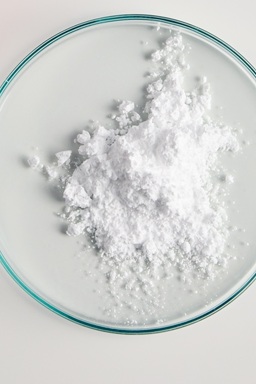
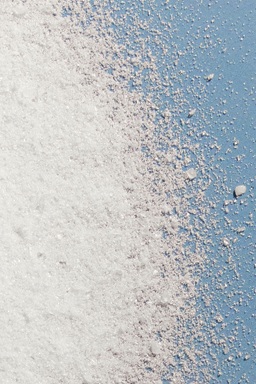
Glycolic Acid is an Alpha-Hydroxy Acid (or AHA) which is water-soluble and is derived from plants and other natural resources such as fruit, sugarcane and milk. AHAs are used in all types of beauty products such as cleansers, toners or exfoliators. One of the Glycolic Acid benefits is that it has the smallest molecule size out of all other AHAs, meaning it’s easy for your skin to absorb. In its pure form, Glycolic Acid is odourless and colourless.
What does
GLYCOLIC ACID DO?
Glycolic Acid is most commonly used as an exfoliant in skincare. It helps clear away dead skin cells to reveal the brighter skin layers underneath. Unlike other exfoliants such as face scrubs, Glycolic Acid doesn’t require harsh scrubbing because of its ability to penetrate your skin.
It is also a humectant, meaning that it attracts and binds water to skin cells; this can help with anti-ageing and wrinkles as it plumps your skin. Glycolic Acid can also boost collagen production as well as hyaluronic acid within your skin.
Glycolic Acid is most effective when used on normal, combination and oily skin. However, if your skin is more sensitive or dry, it’s recommended that you’re more cautious when using this ingredient.
It’s also important to note that because Glycolic Acid effectively peels away the top layers of old skin, it leaves your skin more vulnerable to external forces such as the weather. If there are strong UV rays, you need to be especially careful with the youthful layers of skin in the sun, and the same goes for any harsh weather conditions.
Glycolic Acid
Benefits


Glycolic Acid and
RETINOL
As both Glycolic Acid and Retinol are considered to be two of the most important ingredients when it comes to slowing down the signs of ageing, it’s very common to ask whether you can use Glycolic Acid with Retinol to get all the benefits.
In short, yes you can – but not simultaneously. This is quite an intense skincare combination that can easily lead to irritated skin. You should start by using Glycolic Acid once a week.
As NIVEA cares for your skin, it’s important to point out again that Glycolic Acid for skin shouldn’t be used at the same time as other solutions such as Retinol or Vitamin A. If you plan on using both, do so on alternate days, and always consult your dermatologist beforehand.

How to use Glycolic Acid and
ADD IT TO YOUR SKINCARE ROUTINE
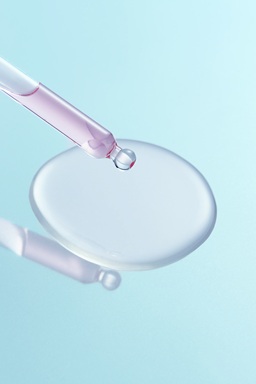
Before you apply Glycolic Acid, you need to make sure your skin is free of any open cuts or sores. Start by washing your face with a mild cleanser or toner to remove any grease or oils, then apply the Glycolic Acid solution to a cotton pad. Gently apply the solution to your face, avoiding sensitive areas such as your eyes, nostrils or lips. If you find that Glycolic Acid reacts badly with your skin or spills into one of the sensitive areas mentioned, you should rinse the affected area with a regular saline solution. The expected reaction is that after 3–5 minutes the treated area will start to turn red. You should then rinse the area with water or use a neutralising solution on a cloth.
Apply Glycolic Acid before you go to bed if possible, as Glycolic Acid increases your skin’s sensitivity to sunlight. Night-time application gives your skin time to recover overnight. If this isn’t possible, you should always use an SPF moisturiser if you’re going to be outside, regardless of the weather.
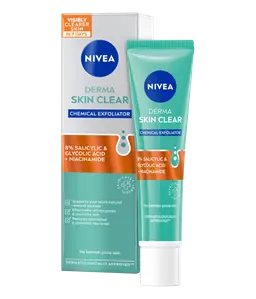
NIVEA offers a range of products that make the most of the benefits of Glycolic Acid, including the NIVEA Derma Skin Clear Chemical Exfoliator, which brings you all the benefits of Glycolic Acid, Salicylic Acid and Niacinamide in one product.
As NIVEA cares for your skin, it’s important to point out again that Glycolic Acid for skin shouldn’t be used at the same time as other solutions such as Retinol or Vitamin A. If you plan on using both, do so alternately, and always consult your dermatologist beforehand.