How to Shave Your Face:
Complete Guide and Tips
5 types
of Razors
Choosing a well-suited razor can help improve control, comfort, and overall shaving results. The best option often depends on skin type, routine, and desired closeness.

- Disposable Razors:
Quick and convenient for occasional use but may offer a less close shave.
- Cartridge Razors:
A popular shaving system with a detachable head and multiple blades, designed for convenience and everyday use. A versatile option suitable for most skin types.
- Safety Razors:
Provide greater precision and control but require careful technique.
- Electric Razors:
Ideal for fast, dry shaving with minimal preparation.
- Straight Razors:
Deliver the closest shave but require experience and skill.
Step-by-step face shaving routine
for Dry Skin
Dry skin can feel tight or uncomfortable after shaving. A hydration-focused routine can help reduce dryness and support lasting comfort. This routine uses products from the NIVEA Men Hydrocare range, designed to provide long-lasting hydration throughout your shaving routine.
- Cleanse
Start with a gentle cleanse using NIVEA Men Hydrocare 3x Clean Effect Face Wash, which removes sweat, dirt, and excess sebum without drying out the skin. It helps prepare the skin and facial hair for shaving.
- Shaving Gel
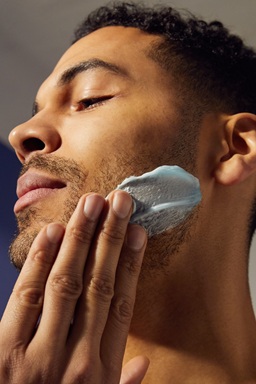
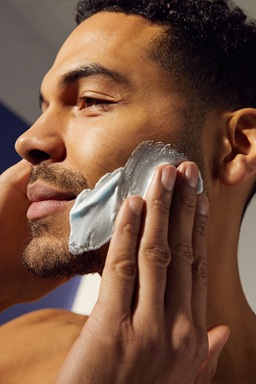
Apply NIVEA Men Hydrocare Shaving Gel, which helps softens beard hair and supports smoother razor glide for a comfortable shave. Infused with Pro-Vitamin B5 and Ultra Glide Technology, it protects against nicks and cuts while leaving the skin feeling moisturised.
- Shave
Shave using light pressure and short strokes, ideally in the direction of hair growth, to help reduce irritation, reduce the risk of ingrown hairs, and support a more comfortable shave.
- Aftershave Balm
Apply NIVEA MEN Hydrocare Post Shave Balm, formulated with Aloe Vera and Pro-Vitamin B5, to deliver deep moisture for up to 24 hours. It helps reduce redness, irritation, and tightness for lasting comfort.
- Serum
Follow with NIVEA Men Hydrocare Power Face Serum, a fast-absorbing formula that delivers deep hydration to the skin. It contains two types of Hyaluronic Acid, along with vitamins B5, C, and E, to help support skin moisture and comfort.
- Moisturise & SPF
Finish with NIVEA MEN Hydrocare Moisturiser with Aloe Vera and SPF15, which instantly hydrates and helps replenish your skin’s moisture levels for lasting comfort. It also provides SPF15 protection against UVA and UVB rays to help shield the skin from daily sun exposure.

Step-by-Step Shaving Routine
for Sensitive Skin
Sensitive skin may be more prone to irritation, dryness, and post-shave discomfort. A gentle routine can help support a more comfortable shave. This routine uses products from the NIVEA MEN Sensitive range, formulated with 0% alcohol* and soothing ingredients such as Vitamin E, Chamomile, and Witch Hazel.

- Cleanse
Use NIVEA Men Sensitive Face Wash, a gentle cleanser that removes impurities without causing dryness or discomfort. Enriched with Vitamin E and Chamomile Extract, it helps maintain the skin’s natural balance and supports long-lasting comfort.
- Shaving Gel
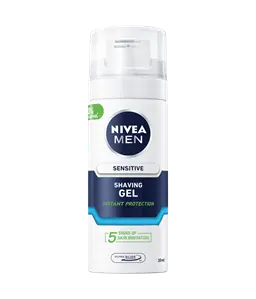
Apply NIVEA MEN Sensitive Shaving Gel 200ml, with a 99% biodegradable formula and 0% alcohol*, enriched with Chamomile, Provitamin B5 and Vitamin E. It provides instant protection against five signs of shaving irritation (burning, redness, dryness, micro cuts and tightness), softens the beard hair and ensures a close, smooth shave while keeping skin comfortable and cared for.
- Shave
Use light strokes and shave in the direction of hair growth where possible to help minimise irritation.
- Aftershave Balm
Apply NIVEA Men Sensitive Post Shave Balm to instantly calm and soothe sensitive skin. Its alcohol-free* formula helps reduce redness, dryness, and discomfort while providing long-lasting comfort and hydration. It absorbs quickly for a comfortable, non-greasy finish.
- Moisturise
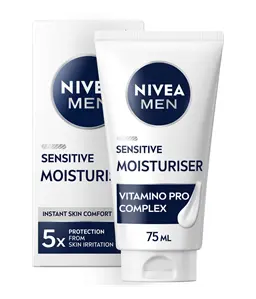
Finish with a moisturiser to help keep the skin feeling hydrated and comfortable after shaving.
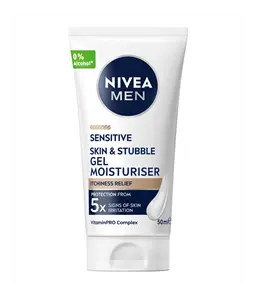
- Moisturise: For sensitive skin and short stubble, NIVEA Men Sensitive Skin & Stubble Moisturiser is a fast-absorbing gel-cream that provides 48-hour hydration** and helps protect against five signs of skin irritation.
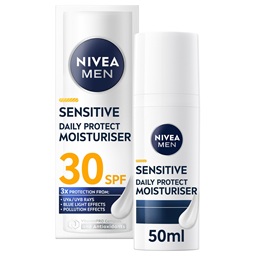
- Moisturise & Protect: For sensitive skin, NIVEA Men Sensitive Daily Protect Moisturiser SPF30 combines daily hydration with SPF protection in one step, helping to protect the skin against UVA and UVB rays.
*alcohol-free
**instrumental test, 40 men
5 Key Shaving
Technique Tips to Use
The following tips can help guide a more comfortable and consistent shave for a smoother overall finish:
- Use Short, Controlled Strokes:
Start with the cheeks and work down towards the neck, which may be more sensitive, to maintain better control.
- Shave in the Direction of Hair Growth:
This may help reduce irritation, razor burn, and ingrown hairs while supporting a cleaner shave.
- Rinse the Blade Regularly:
Keeping the razor clean during shaving may help maintain performance and reduce drag on the skin.
- Adjust for Tricky Areas:
Around the lips and jawline, stretching the skin slightly or adjusting angles may help improve precision and coverage.
- Finish and Care for Your Razor:
Rinse your face after shaving and allow it to dry, then clean and store your razor in a dry place to help maintain hygiene and blade performance.

What is aftershave balm
AND HOW TO USE IT

Aftershave balm is a skincare product designed to soothe and moisturise the skin after shaving, helping reduce the feeling of irritation, redness, and dryness when the skin may feel more sensitive.
It differs from a regular moisturiser as it is specifically developed for post-shave use and often contains soothing ingredients such as Aloe Vera, Chamomile, and Vitamin E to help support skin comfort after shaving.
How To Use It:
- Apply immediately after shaving.
- Use on clean skin while it is still slightly damp or dry.
- Take a small amount and gently massage into the face and neck.
- Allow it to fully absorb and do not rinse off.
Why It's Used:
- Helps soothe the feeling of irritation after shaving.
- Supports skin hydration and comfort.
- Helps reduce the feeling of redness, tightness, and dryness.
- Supports the skin’s natural moisture barrier after shaving.
4 Types of Aftershave Care
and How They May Benefit the Skin
Aftershave products come in different formats, each offering a different texture and skin feel depending on personal preference, skin type, and post-shave needs4.
- Lotion:
A lightweight format that absorbs quickly and leaves a fresh, comfortable skin feel. It is often chosen for its refreshing finish after shaving.
- Gel:
A fast-absorbing, cooling texture that feels light on the skin and leaves a non-greasy finish. It may be preferred for a refreshing post-shave sensation.
- Balm:
Generally suited to dry or sensitive skin, aftershave balm has a richer texture than a lotion and contains moisturising and soothing ingredients to help support post-shave comfort.
- Cream:
A richer texture that provides a more nourishing skin feel after shaving. It is typically used when the skin feels drier or needs additional comfort.

What is dry shaving
and When to Use It
Dry shaving is a method that typically uses an electric razor, and in some cases a manual razor, without water, foam, or gel. It may be chosen for convenience, although it may not always provide as close or smooth a finish as wet shaving5.

3 Potential Dry Shaving Benefits:
- May support a faster grooming routine using an electric razor.
- Does not require water or shaving foam, which may reduce preparation time.
- May help reduce the likelihood of irritation for some skin types by avoiding very close blade contact with the skin.
4 Possible Dry Shaving Drawbacks:
- May feel less smooth compared to wet shaving.
- Dry shaving with a traditional manual razor may increase the likelihood of irritation, particularly for dry or sensitive skin.
- May require more frequent shaving to maintain results.
- Skin may feel less comfortable without added moisture.
How to get the best results: Start with clean, dry skin and shave gently without applying pressure. If using an electric razor, move slowly and evenly across the skin. If using a manual razor, take extra care to avoid irritation. Keep the razor clean during use and finish with a moisturiser5.
How to Shave
Your Body in 5 Steps
Body shaving often involves larger and more sensitive areas of skin, so preparation and aftercare may help improve comfort and reduce irritation6.
- Warm Shower and Prep
Start by showering with warm water, which may help soften body hair and prepare the skin for shaving. Light exfoliation at this stage can also help remove dead skin cells, supporting a closer and more even shave.
- Apply Shaving Cream
Use a shaving cream or gel rather than soap, as this may help reduce dryness and friction during shaving. A protective layer can support a smoother razor glide across larger areas of the body.
- Shave with the Grain
Shave in the direction of hair growth first to help reduce irritation and discomfort. For a closer finish, a second pass against the grain may be used carefully if the skin is well prepared and not prone to ingrown hairs or irritation.
- Rinse with Cool Water
After shaving, rinse the skin with cool water. This may help remove residue and leave the skin feeling more refreshed and calmer after shaving.
- Moisturise the Skin
Finish with a body moisturiser, such as NIVEA Express Hydration Body Lotion, which provides up to 72 hours* of moisture and helps support smoother skin.
*Instrumental test, 42 participants