Sun Stroke:
Symptoms, Causes, Prevention & Treatment Guide
What Is
a Sun Stroke?
A sun stroke, also known as heat stroke, is a serious condition that can be caused by prolonged sun exposure and can result in your body's temperature rising to dangerous levels. If you've ever wondered what is a sun stroke, it’s when your internal cooling system can no longer cope. Unlike heat exhaustion, a sun stroke is more severe and often requires immediate medical attention.
Difference Between Heat Stroke and Sunstroke: While people sometimes use the terms interchangeably, heat stroke refers broadly to overheating due to any cause, while sunstroke – or sun stroke – specifically results from direct exposure to the sun.
Sun Stroke
Causes
Several factors contribute to sun stroke, with prolonged sun exposure being the most common. Here are different sun stroke causes that can increase your risk:
- Extended Time in Direct SunlightBeing outdoors for prolonged periods of time without shade raises your body temperature dangerously and is one of the key sun stroke causes to watch out for.
- DehydrationInadequate fluid intake reduces your body's ability to cool down through sweating and can quickly turn simple overheating into a sun stroke.
- Strenuous Physical ActivityExercising or working outdoors in hot weather without breaks or proper hydration accelerates overheating and increases your chances of a sun stroke.
- Environmental FactorsReflective surfaces like water, sand, and concrete amplify the sun's intensity, increasing heat absorption and the likelihood of sun stroke symptoms appearing.
- High-Risk IndividualsBabies, young children, older adults, and those with chronic conditions such as heart disease or diabetes are more vulnerable to sun stroke and other heat-related illnesses.

6 Sun Stroke
Symptoms
Facts Overview
What Is Sun Stroke: It occurs when there is prolonged exposure to the sun and your body temperature rises abnormally. If you've wondered what is a sun stroke in simple terms, it’s your body overheating because it can no longer cool itself effectively.
Main Causes: Dehydration is a key factor that accelerates the onset of heat stroke, impairing your body's ability to cool down. Direct, long-term sun exposure also significantly increases the risk by overwhelming your body's natural cooling mechanisms.
High-Risk Groups: Fair-skinned individuals, young children, older adults, and those with medical conditions.
Prevention Is Key: Staying hydrated, using sunscreen, and avoiding direct sun exposure during peak hours are crucial steps in preventing a sun stroke.
How Do You Treat
Heat Stroke?
- Move to a Cooler LocationFind shade, enter an air-conditioned space, or use a fan to help cool your body – this is one of the first steps in sun stroke treatment and in how you treat heat stroke generally.
- Lower Body TemperatureApply cool, damp cloths, take a lukewarm shower, or use cold packs on the neck, armpits, and groin. These simple measures are an important part of sun stroke treatment and of how you treat heat stroke safely at home while you seek advice.
- RehydrateSip water or electrolyte drinks to restore fluid balance, but avoid sugary, alcoholic, or caffeinated beverages, as they can worsen dehydration and slow down your recovery from a sun stroke.
- Monitor ConditionIf symptoms persist or worsen, seek immediate medical attention. Loss of consciousness, seizures, or a continued high fever are signs of a medical emergency and need urgent sun stroke treatment from professionals.

Sun Stroke:
How Long Does It Last?

How to
Prevent Sun Stroke
- Stay HydratedDrink plenty of water throughout the day, even if you do not feel thirsty, to prevent dehydration and lower your chances of developing a sun stroke.
- Avoid Peak Sun HoursTry to minimise direct sun exposure between 10 a.m. and 4 p.m., when UV rays are strongest and the risk of a sun stroke is higher.
- Wear Appropriate ClothingOpt for lightweight, loose-fitting, and light-coloured clothing. Wide-brimmed hats and UV-blocking sunglasses provide additional protection and help keep your body cooler to prevent a sun stroke.
- Take Regular BreaksIf you are spending extended time outdoors, rest in shaded or air-conditioned areas to allow your body to cool down and lower the risk of a sun stroke.
- Recognise Early Signs of Sun StrokeDizziness, excessive thirst, or unusual fatigue should not be ignored—take immediate action to cool down, drink water, and get out of the sun to stop a possible sun stroke from getting worse.
Who Is
More Prone to Sun Stroke?
- Fair-Skinned IndividualsLower melanin levels provide less natural protection against UV rays, increasing susceptibility to sun damage, overheating, and ultimately a possible sun stroke.
- People with Medical ConditionsChronic illnesses like heart disease, diabetes, or respiratory disorders can impair your body's ability to regulate temperature, which can make a sun stroke more likely in hot conditions.
- Those Taking Certain MedicationsDiuretics, antihistamines, and some blood pressure medications can increase dehydration and heat sensitivity. Be sure to consult your doctor if you use any of these medications, as your sun stroke risk may be higher.
- Young Children and Older AdultsInfants and seniors have less efficient temperature regulation, making them more vulnerable to heat-related illnesses such as sun stroke, especially during heatwaves.
- Athletes and Outdoor WorkersWhile regular exercise can improve heat tolerance, excessive physical activity in high temperatures without adequate hydration raises the risk of overheating and a possible sun stroke.
- Dehydrated IndividualsInadequate fluid intake reduces your body's ability to cool itself through sweating, accelerating the onset of sun stroke and other heat-related problems.

By recognising these risk factors, you can take proactive steps to protect yourself from extreme heat and sun exposure, and lower your chance of experiencing a sun stroke.


Explore NIVEA's Sunscreen Range
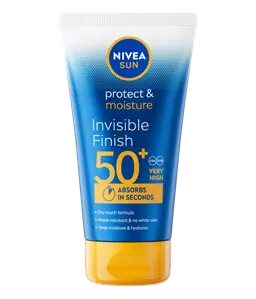
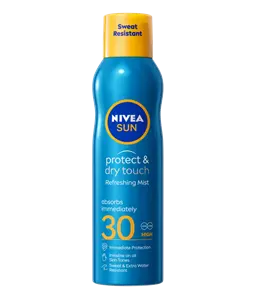
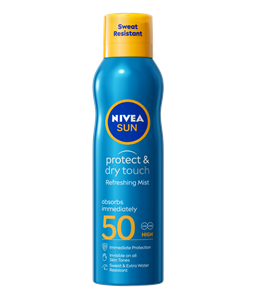
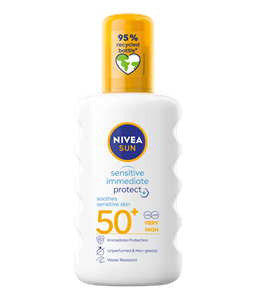
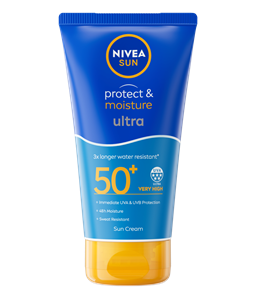
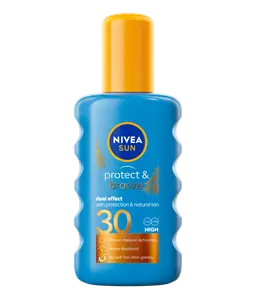
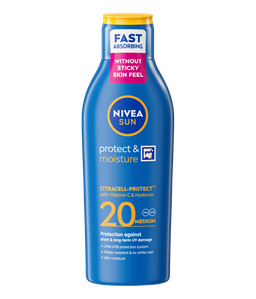
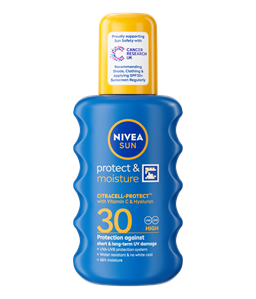
Exposure to the sun can also cause sunburn, which can increase skin heat and the risk of sun stroke. That’s why it is always important to protect your skin from harmful UV rays. NIVEA's sunscreen range is designed to offer protection against the sun, helping to reduce the impact of sun exposure on your skin. With a variety of formulations to suit different needs, from lightweight everyday options to more water-resistant choices, NIVEA aims to make sun care both effective and comfortable. Whether you're after high SPF protection or added hydration, NIVEA offers a range of options to support your overall sun protection routine.
Find the Best Face Sunscreen
for Your Skin Needs with NIVEA

NIVEA offers a range of face sunscreens that suit all skin types and needs, while maintaining effective sun protection.
The NIVEA Derma Skin Clear Daily UV Fluid SPF 50 is specifically designed for blemish-prone skin – made with an ultralight and non-greasy formula, it helps to control oils and could reduce the appearance of blemishes, all whilst offering reliable sun protection.
The NIVEA 2in1 Primer Daily UV Serum SPF 50+ contains a lightweight and fast-absorbing formula which acts as both a makeup primer and powerful face sunscreen. The serum smooths your skin whilst helping to protect it from sun damage, such as premature ageing.
Browse the full range of NIVEA face sunscreens to find the one that best suits your needs today and support your wider routine for preventing a sun stroke.
Summary
With a few simple steps, you can enjoy the outdoors while keeping your skin and body safe from the dangers of extreme heat. Be sun-smart, take care of your health, and always prioritise your well-being when spending time in the sun so that you rarely have to worry about how you treat heat stroke or sun stroke in the first place.