How To Get Rid Of A Sun Allergy:
Causes, Remedies And Prevention
What Is A
Sun Allergy?
Certain skin types can be more sensitive to sunlight and result in an immediate reaction, while others develop this reaction over time. Understanding what triggers a sun allergy and what to do to protect your skin can help prevent further discomfort and is the first step in your personal sun allergy treatment plan.
What Are The Symptoms Of A
Sun Allergy?

of a sun allergy include:
- Itchy, red spots, or inflamed skin that feels irritated.
- Small bumps, a rash, or rough patches that may spread over time.
- A burning or stinging feeling, even without visible redness.
- Dry skin or flaky skin after being in the sun, making your skin feel tight or uncomfortable.
These symptoms can range from mild to severe and may disappear once you are out of the sun or last for several days. Recognising these signs early can help prevent further irritation and help keep your skin protected. If you are worried about a sun allergy, seek medical attention to get further reassurance and guidance on the best way to manage it and how to get rid of a sun allergy as safely as possible.

Sun Allergy
As it is a group term, it's important to understand that not every person will experience the same type. There are a number of conditions that fall under the bracket of sun allergies, which are:
- Polymorphic Light Eruption:Also known as “sun poisoning”, this is the most common form. It often appears as small bumps or red patches (that sometimes blister) after a few hours in the sun.
- Photoallergic Reaction:A photoallergic reaction is where a chemical applied to the skin reacts with the sunlight and irritates the skin. For example, this could be caused by certain ingredients in sunscreen or perfumes.
- Solar Urticaria:This is a type of photodermatosis that is sometimes known as “sun allergy hives”. It can occur after just a few minutes of exposure to the sun, and can range from mild to severe symptoms.
- Actinic Prurigo:This variation of skin rash most often affects people with darker skin tones. It appears as a rash accompanied by intense itching, papules and patches on the skin, which can sometimes persist throughout the year but are more severe in spring and on areas of the body exposed to the sun.

What Causes
Sun Allergy?
Risk Factors For Sun Allergy Or
Reactions Due To The Sun

- Existing skin conditions:Conditions like dermatitis can increase the risk of developing a sun allergy. In general, a small dose of sunlight tends to improve atopic dermatitis, but in some rare cases it can also make it worse. Other diseases such as lupus or rosacea can also be aggravated by exposure to the sun, which encourages rashes.
- Use of specific medications:Certain drugs, such as Tetracycline antibiotics, Sulfa-based medications, and non-steroidal anti-inflammatory drugs like Ketoprofen, can make your skin more sensitive to the sun.
- Exposure to certain substances:Some sun allergies occur when the skin comes into contact with a substance and is then exposed to sunlight. Common triggers include chemical substances contained in fragrances, disinfectants, and chemicals in certain sunscreens.
- Family history:Having a parent or sibling with a sun allergy raises the likelihood of experiencing it yourself.
How To Manage Symptoms Of A
Sun Allergy
- Stay in the shade:Staying in the shade, particularly during the hours of maximum sunlight, minimises exposure to UV rays, thereby limiting the risk of allergic reactions to the sun.
- Avoid scratching:Avoid touching or scratching the skin, as this can lead to an additional feeling of irritation or drier skin.
- Take care of the skin:
After the most severe symptoms have resolved, it's important to take care of your skin to keep it hydrated and promote its natural repair. Moisturising helps to maintain the skin's moisture content, reinforcing its natural barrier and reducing signs of dryness caused by the sun, such as itching and tightness. Do not use cosmetic products on damaged skin. Always seek medical advice if in doubt.
Try applying a fragrance-free moisturiser like NIVEA Repair & Care Cream for Very Dry Skin, which contains Glycerin, to instantly soothe dry, itch-prone skin, support regeneration of the protective barrier and provide long-lasting relief from tightness and itching.

Sun Allergy
Sun allergy versus sunburn:
Unlike sunburn, which usually happens after prolonged or intense exposure, sun allergy can occur after a short period of exposure to the sun. The main symptoms are a rash and itching, whereas sunburn is characterised by symptoms such as redness, heat and pain, and typically occurs in areas where sun cream has not been used.
Sun allergy versus heat rash:
Sun allergies are different from heat rashes – although they can both cause small red and itchy spots, heat rashes are caused by sweat trapped in the skin, whereas sun allergies are an immune system reaction to sunlight, typically triggered by UVA and UVB exposure.
Prevention:
Wearing sunscreen, protective clothing, and limiting sun exposure can help reduce the risk of irritation and a sun allergy. These simple steps are also at the heart of learning how to get rid of a sun allergy or at least keep flare‑ups to a minimum.
4 Tips To Help Prevent A
Sun Allergy
- Wear sun protection:Use sunscreen with a very high broad-spectrum SPF, wear protective clothing suitable for sensitive skin, and a wide-brimmed hat to shield your skin from harmful UV rays.
- Avoid Peak Sun Hours And Shield Your Skin:
Stay in the shade or indoors between 10 am and 4 pm, when the sun's rays are strongest.
- Gradually Increase Sun Exposure:Allow your skin to adjust to sunlight over time by slowly increasing exposure rather than jumping into intense sunlight.
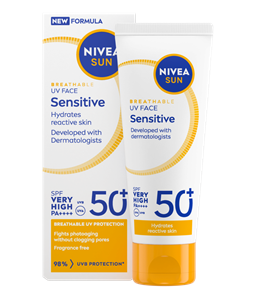
- Avoid contact with substances that you are allergic to:Choose fragrance-free moisturisers and sunscreens to reduce the risk of irritation and allergic reactions caused by certain chemicals. If you are allergic to a specific substance, with the help of your doctor, try to identify it and avoid using it by checking the list of ingredients in your skincare products.

Discover NIVEA's
Sunscreen Range

Blemish‑prone skin:
NIVEA Derma Skin Clear SPF50+ Daily UV Fluid
*Instrumental test, 35 participants


NIVEA SUN 2In1 Primer UV Serum SPF 50+
For those who wear makeup regularly, incorporating a primer, serum, and SPF into your routine can help provide more complete skincare and protection. The NIVEA SUN 2In1 Primer UV Serum SPF 50+ combines the benefits of a primer, a serum and sun protection in the same lightweight, fast-absorbing formula. Containing two types of Hyaluronic Acid to hydrate the skin and antioxidant Licochalcone, it offers immediate protection against short-term and long-term UV damage to the skin, such as premature skin ageing. Formulated without fragrance, it is suitable for all skin types.
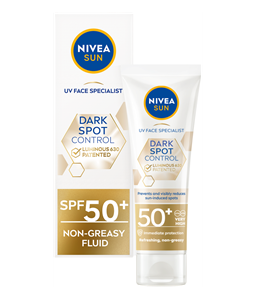
NIVEA offers a wide range of face sunscreens tailored to all skin types and needs, from sensitive skin to high-performance formulas. No matter what your concern may be, NIVEA has a sunscreen to provide the protection and care your skin deserves.