How to Help Sunburn:
Relief and Care Tips
Sunburn occurs after the skin is exposed to ultraviolet (UV) rays for longer than expected. This can cause redness, inflammation, and discomfort as the outer layers of the skin react to the damage.1 Knowing how to care for sunburn effectively and what protective measures to take can help reduce pain, support your skin’s recovery, and prevent further irritation.2 This article will explore what sunburn is, the common symptoms to watch for, practical ways to soothe discomfort, and the products and routines that can help your skin stay protected.
Understanding sunburn:
What Happens to Your Skin
Sunburn is more than just redness. It happens when ultraviolet (UV) rays penetrate the skin, damaging DNA within skin cells. In response, the body triggers inflammation, increasing blood flow to the affected area and causing redness, warmth, and tenderness.3
Sun-exposed skin can feel sensitive, tight, and uncomfortable, and peeling may occur as the skin naturally renews itself. Over time, repeated sunburn and unprotected sun exposure can contribute to visible signs of skin ageing4, even when redness is not immediately visible. This is why daily sun protection is so important. Wearing protective clothing, seeking shade, and applying SPF regularly can help keep your skin protected and healthy-looking. If your skin does become overexposed to the sun, cooling and caring for it gently can help soothe discomfort. After sun exposure, moisturising products can also help hydrate the skin and support its natural recovery process.
4 factors that increase
Your Risk of Sunburn
Certain factors can increase the risk of sunburn and make the skin more vulnerable to UV damage. Understanding these causes can help you take the right precautions and care for your skin effectively.

- 1UV Exposure:
Spending long periods in direct sunlight, especially between 10 am and 4 pm when UV rays are strongest, can increases the likelihood of sunburn. Even on cloudy days, UV rays can penetrate and damage the skin.
- 2Skin Type:
Fair or sensitive skin tends to burn more easily, as it contains less melanin, the natural pigment that helps protect against UV damage.
- 3Lack of or Insufficient Sun Protection:
Skipping sunscreen, not applying it evenly, or forgetting to reapply it after swimming, sweating, or towelling can leave the skin more exposed and increase the risk of sunburn. Regular use of broad-spectrum SPF is key to reducing risk.
- 4Environmental Factors:
Reflective surfaces such as water, sand, or snow can intensify UV exposure, increasing the chance of sunburn. Even shaded areas near reflective surfaces can still leave your skin at risk.⁵
Facts Overview
What Is Sunburn: A reaction of the skin to UV exposure, causing redness, inflammation, and sensitivity.1
Sunburn Risk Factors: Spending time in direct sunlight or near reflective surfaces, having fair or sensitive skin, or not applying sun cream evenly and regularly can increase the risk of sunburn.5
Sunburn Care: Appropriate care depends on severity. For mild sunburn, cooling and moisturising with after-sun products can help soothe the skin and support its natural recovery. Avoid popping blisters.2 Seek medical advice if symptoms are severe.
Prevention Tips: Apply broad-spectrum SPF regularly, seek shade, and wear protective clothing when possible.5
Healing Timeline: Mild sunburn may improve in a few days, while more severe sunburn, where the skin peels can take one week or more to fully heal.6
6 sunburn symptoms
to Watch For
Recognising sunburn symptoms early can help ease discomfort and support your skin’s recovery. Noticing signs such as redness, swelling, or blisters allows you to take prompt action and prevent further irritation. 7
- 1Redness:
Skin becomes visibly red and warm due to increased blood flow.
- 2Pain:
Tenderness or sharp discomfort occurs depending on the burn severity.
- 3Swelling:
Inflammation may cause puffiness and tightness.
- 4Blisters:
Fluid-filled blisters protect underlying skin and should not be popped.
- 5Peeling & Itching:
Damaged skin naturally sheds during healing, which may feel itchy. Avoid scratching to prevent further irritation or infection and soothe the skin with cooling after-sun products.
- 6Flu-like Symptoms:
Severe sunburn can lead to headaches, fever, chills, or fatigue.
When to Seek Medical Advice: If you notice large blisters, severe pain, signs of infection (such as pus or unusual redness), or persistent flu-like symptoms, dizziness, or fever, seek professional care promptly.
4 things to do immediately
After Sunburn
Taking prompt steps can help provide sunburn relief and support your skin’s recovery. Focus on cooling, hydration, and soothing your skin to minimise irritation.

- 1Get Out of the Sun:
Move indoors or into shade immediately to prevent further UV damage and protect the sunburned areas from additional exposure.
- 2Cool the Skin:
Take a cool shower or bath, or gently apply damp, cold cloths for 10-15 minutes. Cooling the skin helps reduce heat and visible redness while soothing irritation.8 Avoid ice or very cold water, which can irritate sensitive skin.
- 3Stay Hydrated:
Sunburn can increase water loss, so drink plenty of fluids to help your body recover naturally.
- 4Apply After-Sun Products:
After-sun products can help refresh the skin, soothe itching, and provide hydration to support its natural recovery after sun exposure. They are designed to care for sun-stressed skin, but sunburn should always be avoided through proper protection.²
What to Avoid:
- Harsh, fragranced, or alcohol-based products.
- Using ice directly on the skin.
- Popping blisters that form.⁹
How long
Does Sunburn Last?
Understanding how long sunburn may last helps you plan care and manage discomfort effectively. Healing times vary depending on severity and how promptly you look after your skin.⁶
- Mild sunburn: Typically improves within 2-3 days.
- Moderate sunburn: Redness and peeling may take 5-7 days to resolve.
- Severe sunburn: Can last longer and may require medical attention.
- Recovery factors: Healing depends on the extent of UV damage and how quickly steps such as cooling the skin or applying suitable skincare products are taken.
After-sun care
for Sun-Stressed Skin
When your skin has been exposed to the sun, it can benefit from gentle care to stay hydrated, calm, and comfortable, even if you can't see any visible damage. After-sun routines help support the skin’s natural regeneration and reduce the feeling of dryness, tightness, or irritation caused by sun exposure.
- NIVEA After Sun Moisture Lotion : Provides instant relief, soothes, and supports the regeneration of sun-stressed skin, delivering 48h+ moisture, reducing peeling, and leaving skin feeling revitalised and refreshed.
- NIVEA SUN After Sun Serum for Face and Body: An ultra-light, non-sticky formula that replenishes up to 100% moisture overnight and supports the natural regeneration and repair of sun-stressed skin, leaving it feeling soft, refreshed, and nourished by morning.
Tenderness or sharp discomfort occurs depending on the burn severity.

How to help
Prevent Sunburn
Avoiding sunburn is all about protecting your skin from excessive sun exposure. Taking the right steps can help keep your skin comfortable and healthy-looking while reducing the risk of redness, irritation, and long-term damage.⁵

To help prevent sunburn and skin damage, avoid prolonged sun exposure, especially during peak hours when UV rays are strongest, typically between 10am-4pm. Seek shade where possible or use a parasol for added protection.
Hats, sunglasses, and long sleeves provide extra coverage when outdoors, especially during the hours of peak sunshine. Protective clothing reduces UV exposure to sensitive areas of the body.⁵
Sunburn can often affect areas of the body that are easily overlooked, such as the ears, the back of the neck, elbows, knees, bikini line, back, and feet. Make sure to apply a sufficient amount of sun cream to all exposed skin and reapply regularly. For ongoing protection, it is generally recommended to reapply every two hours, or more often after swimming, sweating, or towelling off.⁵ Regular application helps keep your skin protected throughout the day.
NIVEA offers a range of broad-spectrum suncare products for full-body protection and care:
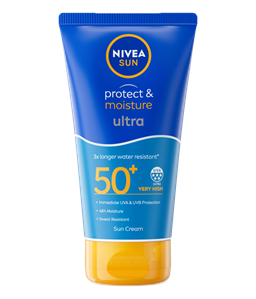
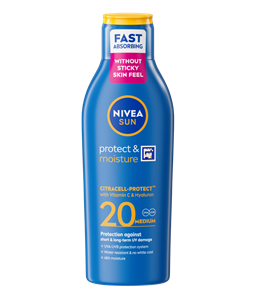
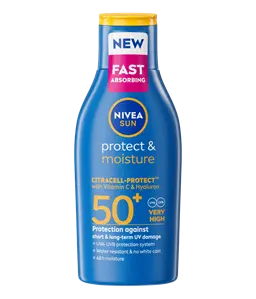
- NIVEA Protect & Moisture Lotion Sun Cream SPF50+: Offers broad UVA/UVB protection with CITRACELL-PROTECT™ (Vitamin C and Hyaluron), fast-absorbing, hydrating for up to 48 hours, non-sticky, and water-resistant.
- NIVEA Protect & Moisture Pump Spray Sun Cream SPF50+: Quick-absorbing spray for even coverage and hydration, with CITRACELL-PROTECT™ and water resistance for easy application.
Use a broad-spectrum sunscreen with a high SPF to help protect skin from UVA and UVB rays. For fair or sun-sensitive skin, a higher SPF such as SPF 50+ may provide enhanced protection, particularly during periods of increased sun exposure. Even on cloudy days, exposed skin can still be affected by UV radiation, making daily sun protection an important step in helping to reduce the risk of sun-induced skin damage and sunburn.
Areas with more sensitive skin, such as the face and lips, need dedicated care.
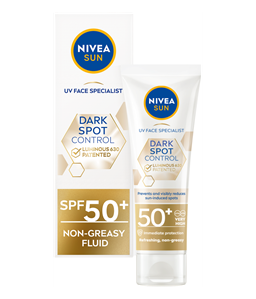
As the face is exposed to UV rays every day, it is advisable to apply a specialist sun protection product suitable for daily use, such as:
- NIVEA UV Face Specialist Triple Protect Sun Fluid SPF50+ : Shields against UVA/UVB rays, blue light, and pollution, while keeping skin hydrated with Hyaluronic Acid.
- NIVEA Sun UV Specialist Silky UV Stick Sun Cream:Targets delicate facial areas with invisible, non-greasy, water-resistant coverage.
The delicate skin on the lips also needs daily sun protection. Choose a lip care product with SPF suited to your level of sun exposure to help protect against UV-related dryness and discomfort:
- NIVEA Hydro Care Lip Balm SPF15 : Keeps lips moisturised for up to 24 hours with SPF15 protection and barrier support.
- NIVEA Sun Protect Lip Balm SPF50: Provides water-resistant SPF50 protection and hydration for prolonged outdoor activity.
Summary
Sunburn damages the outer layers of the skin, causing discomfort that requires gentle care. Cooling the skin with cool water, staying well hydrated, and seeking shade to prevent further exposure are important first steps in supporting recovery. After sun exposure, soothing after-sun products can help keep the skin hydrated and support its natural renewal process. Recognising early signs, caring for sensitive areas, and applying adequate sun protection regularly can help prevent sunburn and keep the skin comfortable.
FAQs
Mild sunburn usually lasts 2-3 days. Moderate sunburn, where the skin peels, can take 5-7 days to improve. Severe sunburn may last longer and may require medical attention. Cooling the skin, staying hydrated, and using suitable skincare products can help support recovery.
Redness won’t disappear overnight, but immediately cooling and moisturising the skin, along with using suitable skincare products, can help soothe discomfort and support its natural regeneration.2
To soothe sunburn, cool the skin, moisturise, and apply after-sun products designed to comfort and hydrate sun-exposed skin. Seek medical advice if you have severe sunburn.
While sunburn cannot be removed instantly, keeping the affected skin cool, hydrated, and protected it from further UV exposure can support faster healing.
Professional care is needed if you notice large blisters, severe pain, swelling, or general symptoms such as fever, chills, or dizziness. Prompt attention helps prevent complications.
Sensitive areas, including the face, lips, and around the eyes, need gentle care. Apply suitable moisturisers carefully, avoid rubbing or exfoliating, and allow peeling skin to shed naturally.
Related
Products
Related
Articles
Sources:
- Cleveland Clinic. Sunburn: Causes, Symptoms and Treatment. Cleveland Clinic. https://my.clevelandclinic.org/health/diseases/21858-sunburn.
- Sunburn - Diagnosis and treatment - Mayo Clinic. www.mayoclinic.org. https://www.mayoclinic.org/diseases-conditions/sunburn/diagnosis-treatment/drc-20355928.
- Sunburn: Background, Pathophysiology, Etiology. eMedicine 2019. https://emedicine.medscape.com/article/773203-overview.
- Sunburn. www.nhsinform.scot. https://www.nhsinform.scot/illnesses-and-conditions/injuries/skin-injuries/sunburn/.
- Centers for Disease Control and Prevention. Sun Safety Facts. Skin Cancer. https://www.cdc.gov/skin-cancer/sun-safety/index.html.
- How Long Does a Sunburn Last? Healthline. https://www.healthline.com/health/how-long-does-sunburn-last.
- Mayo Clinic. Sunburn - symptoms and causes. Mayo Clinic. https://www.mayoclinic.org/diseases-conditions/sunburn/symptoms-causes/syc-20355922.
- NHS Choices. Sunburn. NHS. https://www.nhs.uk/conditions/sunburn/.
- Sunburn Remedies | Home Remedies for Sunburn. Healthline. https://www.healthline.com/health/sunburn.