What Is SPF &
How often should you apply it?
What Is a
Good Sunscreen?

Finding the right sunscreen can feel overwhelming with so many options available. A good sunscreen effectively protects your skin from harmful UV rays while meeting your unique needs and lifestyle. If you have wondered what is a good sunscreen to use, look for these key features:
Broad-Spectrum Protection: Shields against both UVA and UVB rays, responsible for sunburn, premature ageing, and skin damage.
SPF 30 or Higher: Blocks about 97% of UVB rays; ideal for daily use or extended outdoor exposure (provided you apply it regularly).
Water Resistance: Ensures longer-lasting protection during outdoor activities or in humid conditions.
Gentle, Non-Greasy, or Non-Comedogenic Formulas: Essential for sensitive or blemish-prone skin to limit the risk of irritation or breakouts appearing.
Choosing
the Right SPF
SPF (Sun Protection Factor) measures how well a sunscreen protects your skin from UVB rays. Here is how to select the right one for you:
Remember, no sunscreen is 100% effective, so reapply every two hours, especially after swimming or sweating. While some skincare products have SPF15 or 30, it's always best to apply a sunscreen that contains SPF30 or above for optimal protection.
How to Choose
Sunscreen for Your Skin Type
Your skin type plays a key role in deciding the ideal sunscreen. Here is a breakdown to help you understand what is a good sunscreen to use for you:

Sensitive Skin: If you are looking for sunscreen for sensitive skin, opt for fragrance-free sunscreens, specially formulated for sensitive skin and dermatologically tested for tolerance. This can help you avoid irritation.
Oily and Combination Skins: If you need sunscreen for oily skin, choose a lightweight, non-greasy, gel-based, or mattifying sunscreen to control shine without clogging pores. For combination skin, look for formulas that balance hydration and control oil to ensure the drier areas are moisturised without exacerbating oiliness in the T-Zone.
Dry Skin: When you are choosing sunscreen for dry skin, look for more nourishing sunscreens with hydrating ingredients like Glycerin or Hyaluronic Acid to keep skin moisturised.
Blemish-prone skin: Choose non-greasy, non-comedogenic sunscreens that moisturise without clogging pores; Niacinamide-containing products, such as NIVEA's Derma Skin Clear products containing solar filters, to protect the skin from UV damage while offering healthy-looking skin.
Sun-Allergic Skin: Even on cloudy days, apply a broad-spectrum, water-resistant sunscreen for sensitive skin with an SPF of at least 30. Use at least a shot glass-sized amount (about 30ml) for your entire body, and reapply every two hours, or more if you are swimming or sweating. Use an SPF of at least 50 when the sky is clear, and avoid exposure to the sun between 10am and 4pm.
How Do You Choose
Sunscreen for Your Face?
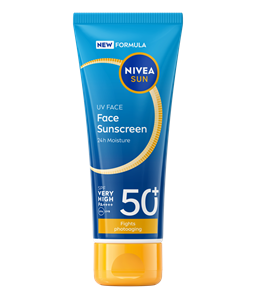
Facial skin is more delicate and often has specific concerns like blemishes, dryness, or sensitivity. Here is what you should consider when deciding what is a good sunscreen to use on your face:
- Non-Greasy Formulas: Ensure your sunscreen layers well under make-up without clogging pores.
- Lightweight Texture: For a comfortable, breathable feel throughout the day.
- Targeted Benefits: Look for sunscreens that address your specific concerns, such as anti-ageing or blemish control.
Choosing a
Sunscreen for Your Body
When it comes to the body's skin, this large surface area requires a product that can cover dynamic needs and preferences.
Here is what to consider when selecting a sunscreen for the body:
- Hydration:Consider moisturising ingredients to keep the skin hydrated and prevent dryness caused by sun exposure, such as Hyaluronic Acid, Glycerin, Aloe Vera and Shea Butter.
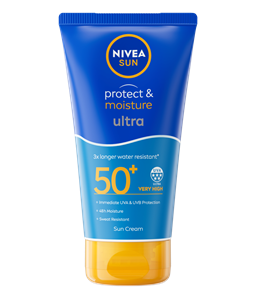
- Sweat/water resistance:A more durable, water-resistant formula ensures lasting protection, especially during swimming or outdoor activities. However, it is always advisable to reapply after swimming, perspiring or towelling off.
- Easy application:Depending on your needs, you can find body sunscreens in sprays, lotions, or sticks for quick, convenient and effortless coverage.
- Large surface area:As the body requires substantial coverage, look for formulas that allow for smooth and even application across broad areas like the arms, legs, and back.
- Protection against sunburn and long-term UV damage:Broad-spectrum protection helps shield the skin from both UVA and UVB rays, reducing the risk of sunburn and premature skin ageing induced by UV rays.
- Light texture and non-greasy:With modern formulations, you can enjoy body sunscreens that offer fast absorption and a lightweight feeling that doesn't leave a sticky residue.
- Acts as a moisture and protection layer:Some formulations include added skin-nourishing ingredients that help retain moisture while creating a protective barrier against environmental stressors.
Facts Overview
What Makes a Good Sunscreen?
A quality sunscreen should offer broad-spectrum protection, SPF 30 or higher, while being suitable for your skin type. Its efficacy and skin tolerance must have been dermatologically tested.
Key Factors to Consider When Choosing a Sunscreen
Consider your skin type, texture preference (lightweight or creamy), and lifestyle needs (e.g. water resistance for outdoor activities or non-greasy formulas for daily wear). Thinking about what is a good sunscreen to use for you personally will help you find the best match.
Why Is Broad-Spectrum Protection Important?
Broad-spectrum sunscreens protect against both UVA (premature ageing) and UVB (sunburn) rays, ensuring comprehensive skin defence.


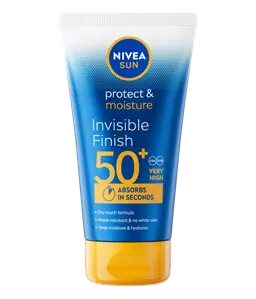
For sun care ahead of its time, NIVEA has developed the NIVEA Sun Protect & Moisture Invisible Finish SPF 50+. This sun lotion with antioxidant Vitamin C and moisturising Hyaluronic Acid provides broad-spectrum protection against UVA and UVB rays.
This sunscreen offers reliable sun protection and the moisturisation needed for the ultimate skin care product. With the NIVEA Sun Protect & Moisture Invisible Finsish SPF 50+, you can now experience:
- A fast-absorbing, lightweight and moisturising sunscreen, without any stickiness or white residues.
- Benefit from immediate and water-resistant protection while providing your skin with intense hydration.
- A reduction in oxidative stress at cellular level (tested in vitro)
While some sunscreens offer treatment for specific skin concerns, you may still prefer to use a serum, which works well under make-up while protecting the skin from UV rays.
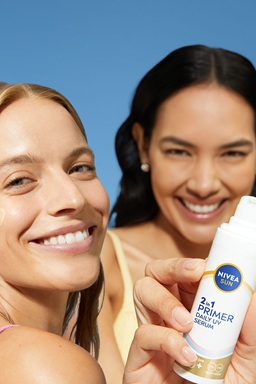
That's why the NIVEA SUN 2in1 Primer Daily UV Serum SPF 50+ is a superior choice – its formula combines advanced skin protection and care in a light, fast-absorbing primer serum. Ideal for use as a make-up primer, it hydrates and smooths the skin while offering protection against UVA/UVB rays and premature ageing induced by UV rays.
This innovative formula contains antioxidant Licochalcone A and features a smoothness effect thanks to the presence of two types of Hyaluronic Acid:
- Long-chain Hyaluronic Acid – binds water on the skin's surface for moisturisation.
- Short-chain Hyaluronic Acid – penetrates more deeply into the epidermis to favourise Hyaluronan production (in vitro tested).


Designed to protect blemish-prone skin from UV rays, in particular those whose sensitivity is increased due to exfoliating treatments. With SPF 50+, it shields your skin effectively, offering an 8-hour* matte effect for a shine-free finish. The ultralight formula absorbs quickly without leaving a greasy residue. With Carnitine, Glycerin, and Niacinamide, it helps to reduce blemishes for clear, healthy-looking skin.
*Instrumental test, 35 volunteers
A high-protection sunscreen designed for blemish-prone skin, combining effective sun protection with the benefits of Niacinamide. This formula helps to prevent clogged pores while protecting the skin from premature ageing and sun-induced damage.

Top Tips
When Using Sunscreen
When it comes to getting the most out of your sun protection, here are some ways you can make your sun care routine even more effective.
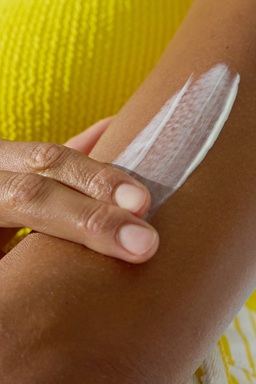
- Apply before getting dressed:Ensure your body gets full coverage and sun protection. Make sure you cover all parts of your body that are likely to be exposed to the sun. Make sure that the product has penetrated completely before getting dressed, to avoid the cream transferring to clothing, and prefer loose-fitting clothes.
- Reapply often:Sunscreen needs to be reapplied every two hours for consistent protection.
- Give attention to all areas:While applying to the face and body, make sure to apply to the overlooked areas like ears, feet, the back of your hands and the neck.
- Check expiry dates:Expired sunscreen loses its effectiveness, so replace it regularly, at the latest one year after opening.
- Also use sun protection indoors:UVA rays can penetrate windows, so daily application is essential if you spend time near a window.
Summary
A good sunscreen does not only rely on SPF; it's about finding a formula that offers broad-spectrum protection, suits your skin type, and fits your lifestyle. To choose the right sunscreen for you, you will need to find the right SPF (30 or higher), look into water resistance if necessary, and listen to your specific skin needs, whether it's sensitive, oily, or dry. This is true whether you are looking for sunscreen for sensitive skin, sunscreen for oily skin, or sunscreen for dry skin. Reapplication, checking expiration dates, and considering daily use, even indoors, is very important to maximise the protection of your skin against UV rays.