What Causes
RED SPOTS ON THE SKIN?
Red spots can appear for several reasons: an infection, a reaction to the sun or heat, dermatitis, an allergy or petechiae – tiny purple, red, or brown spots that usually appear on your arms, legs, tummy, and bottom.
What Causes
RED SPOTS ON THE SKIN?

Dermatitis refers to skin inflammation, characterised by red patches, itching, crusting and scaling. There are many types of dermatitis, the most common of which are contact dermatitis and atopic dermatitis.
Contact dermatitis is caused by direct contact with a particular substance, such as certain perfumes. Although it usually disappears within a few days or weeks, provided you avoid all contact with the responsible substance, it’s best to chat with your doctor for the appropriate treatment or to help you identify the cause.
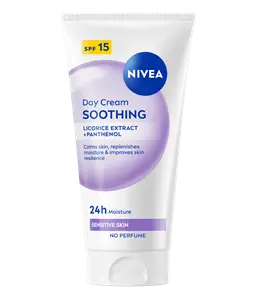
Atopic dermatitis, or eczema, is a chronic condition often seen in children, which often settles down in adulthood. It also requires medical attention, and you’re advised to use gentle, fragrance-free products developed for sensitive skin.
It often appears in hot weather or after exercise and usually clears up within a few days. To ease discomfort, applying a cool, damp flannel to the affected area can help soothe the itchiness.
A sun allergy, caused by a reaction to the sun’s UV rays, can also cause red spots, especially in people with fair skin or young women. Unlike heat rash, allergies show up on skin areas that are most exposed to the sun, such as your décolleté, arms and sometimes your face. Using sunscreen designed for sensitive skin and avoiding prolonged exposure is recommended to protect against irritation.
It often begins with a larger red spot on your chest or back, known as a “herald patch”, followed by a smaller, widespread rash after a couple of days. The rash consists of red, raised, scaly patches, usually about 1.5cm in size, that can be itchy but not painful.
While pityriasis rosea usually clears up on its own, it’s important to treat your skin gently. Use products designed for sensitive skin and protect the affected areas from the sun with a gentle sunscreen.

Purpura and petechiae are red or purplish spots that occur when blood vessels beneath the skin burst, often appearing in rash-like clusters. Purpura are typically larger than petechiae. These spots can be harmless or indicate a more serious blood-clotting disorder, so it’s important to seek medical attention if purpura is suspected.
Common causes include straining (for example, coughing, vomiting, heavy lifting), UV light damage, ageing skin, laser treatments, vitamin K or C deficiency, skin trauma, and blood vessel damage, as well as certain infectious diseases.
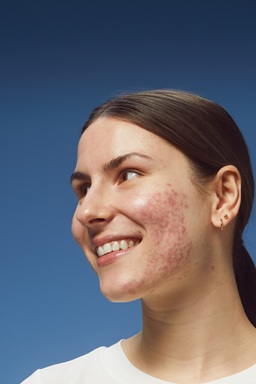
Pimples appear when hair follicles get clogged with oils, dead skin cells, and bacteria. Sebaceous glands produce sebum to lubricate the skin, but excess sebum can block follicles, leading to whiteheads, blackheads, or acne. These pimples can turn pink or red when inflamed.
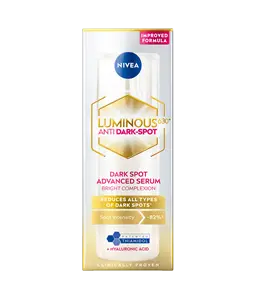
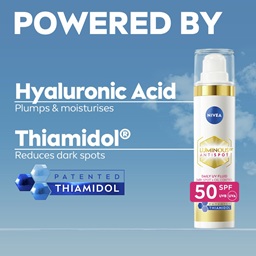
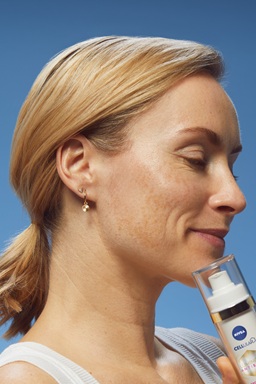
These skin conditions can often lead to marks on the skin as they begin to heal. To smooth and reduce the appearance of acne blemishes, you can try NIVEA Cellular Luminous630 Anti Dark-Spot Post Acne Marks Serum. The formula acts on existing pigmentation to lighten and reduce dark spots and helps prevent the appearance of new spots.
Regular moisturising helps reduce the bumps, but avoid scrubbing, as it can irritate dry skin. For best results, apply moisturiser to damp skin after bathing to lock the moisture in.
4 Different
TYPES OF RED SPOTS:
- Flat red spots on the skinFlat red spots are small, well-defined patches on the skin that are not raised or depressed. They vary in size and intensity and are often smooth or not filled with fluid.
These spots can be either temporary or permanent, depending on the underlying cause. They usually don’t cause pain but can sometimes be itchy or uncomfortable for you. - Bright red or purplish spotsThese are small, pinpoint-sized red spots that can appear anywhere on your body. Often, these are petechiae, which are due to tiny blood vessels breaking and do not blanch when pressed.
Purpura are larger. These spots can indicate a range of issues, from minor injuries to more serious conditions, and should be checked by a doctor. - Small red spots on the skinSmall red spots can appear due to various factors, including flare-ups of eczema. These spots, often itchy and inflamed, may be flat or slightly raised and are usually caused by your skin’s heightened sensitivity to irritants or allergens. Eczema-related spots can also become tender, especially if the skin barrier is compromised.
- Red itchy spots on the skinThese red spots are accompanied by itching and can be caused by several factors, including allergic reactions, insect bites, skin dryness or skin conditions like eczema or hives. The itchiness can range from mild to quite intense.
In cases of itchy, dry skin, it’s important to use a moisturiser suitable for sensitive skin. NIVEA Repair & Care Sensitive Skin Cream is fragrance-free and provides intense hydration for your face, body and hands. Its gentle, effective formula helps soothe sensitive, irritated skin for long-lasting relief from dryness.
Can You Prevent
RED SPOTS FROM OCCURRING?

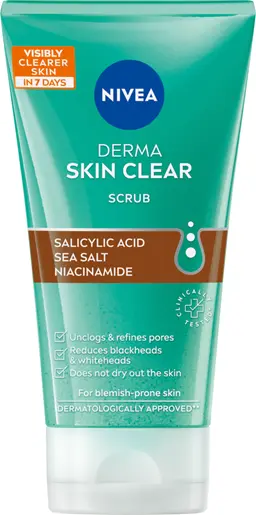
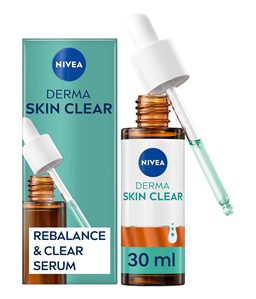
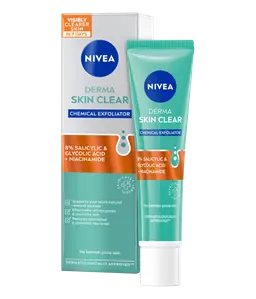
Regularly cleanse your skin with gentle, non-comedogenic products and moisturise to help prevent dryness, which can lead to irritation and red spots. Use skincare products specifically adapted to your skin type, such as those for blemished skin if you tend to get pimples.
RED SPOTS
Appearance:
Can vary in size, shape, and cause, often appearing as isolated marks or breakouts that may or may not cause discomfort.
Types:
Include flat, freckled, small, or itchy spots, each with different characteristics and potential underlying causes.
Causes:
Range from common conditions like heat rash and pimples to more serious issues like purpura, which may need medical attention.
Medical advice:
Seek advice if red spots persist, spread, are accompanied by other symptoms, or cause significant pain, as they might indicate more serious conditions.
5 Signs to
SEEK MEDICAL ADVICE:

- Persistent SpotsIf red spots don’t improve with home treatment or persist for more than a couple of weeks, it’s important to seek medical advice. Persistent spots could indicate underlying conditions that need professional treatment.
- Widespread SpotsIf red spots cover a large area of your body or appear suddenly in large numbers, it’s a good idea to consult a healthcare provider. This could be a sign of a more serious infection or an internal issue.
- Accompanied by Other SymptomsIf red spots are accompanied by symptoms such as fever, difficulty breathing, dizziness, or swelling of your face and throat, seek immediate medical attention. These could be signs of a severe allergic reaction or other serious conditions.
- Painful SpotsIf the red spots are painful, blistering, or showing signs of infection (such as pus, increased redness, warmth, or swelling), it’s important to get medical advice.
- Unexplained SpotsIf you can’t identify a clear cause for the red spots, or if they appear in unusual places (like your eyes or mouth), consult a healthcare professional for a thorough evaluation.