How To
GET RID OF SUN SPOTS ON SKIN
What Are
SUN SPOTS?
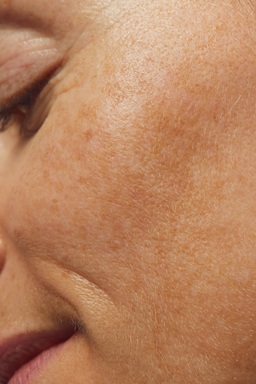
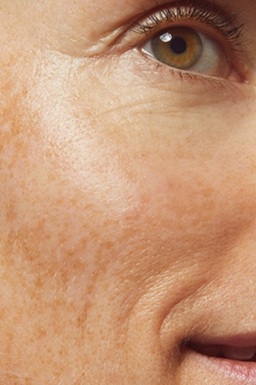
When you notice a sun spot on skin, it’s usually the result of your skin's natural defence mechanism against UV damage, leading to an overproduction of melanin – the pigment responsible for skin colour. While generally harmless, these brown sun spots can be annoying and affect how even your complexion looks, which is why sun protection and a good skincare routine are so important to prevent their formation.
Where do sunspots develop
ON THE BODY?

- Face:
The facial region is particularly susceptible to sun spots due to its frequent exposure to sunlight. Sun spots on face often emerge on the forehead, cheeks, nose, and around the eyes, so it’s really important to protect these delicate areas well.
- Hands:
The backs of the hands receive substantial sun exposure, making them a common location for the development of brown sun spots that can make your hands look older than they really are.
- Arms:
The forearms, in particular, are prone to sun spots as they are often uncovered and exposed to UV rays during various outdoor activities.
- Décolletage:
The upper chest area, known as the décolletage, is another region where sun spots may appear, especially if you often wear low-neckline clothing without applying sunscreen to this part of your sun-exposed skin.
- Legs:
Sun spots can also develop on the legs, especially on the shin and calf areas, which are exposed to sunlight during outdoor activities.
- Back:
The upper back, especially if you spend a significant amount of time outdoors without adequate sun protection, can also be susceptible to sun spot formation and scattered brown sun spots on skin.
What causes
SUN SPOTS?
- Ageing:Sun spots are often associated with the ageing process. Over time, your skin's ability to repair itself and resist UV damage diminishes, making you more susceptible to the development of sun spots on skin, especially on areas that have seen a lot of sun over the years.
- Sunburns:Severe sunburns, especially during childhood or adolescence, increase the likelihood of sun spot formation. Intense sun exposure that results in sunburn damages your skin and contributes to the uneven distribution of melanin, which later shows up as brown sun spots on skin.
- Environmental factors:Other environmental elements, such as pollution and harsh weather conditions, can contribute to skin damage and increase the likelihood of sun spot formation, especially when combined with regular UV exposure over time.
- Genetic factors:Some people may be genetically predisposed to developing sun spots. Genetic variations in skin pigmentation and in the skin's ability to handle UV radiation can influence your susceptibility to sun damage and the formation of pigmented lesions.
How to
PREVENT SUN SPOTS

- USE SUNSCREENRegularly apply a broad-spectrum sunscreen with a high sun protection factor (SPF) to all exposed skin, including your face, hands, and any other areas prone to sun exposure. If you're unsure how often to apply sunscreen, a good rule of thumb is to reapply it every two hours at a minimum. Apply sunscreen more frequently if you're swimming or sweating throughout the day to protect against new sun spots on skin.
- WEAR PROTECTIVE CLOTHINGChoose clothing that covers your skin, such as long-sleeved shirts, trousers, and wide-brimmed hats. Specialised clothing with UV protection is also available for added defence against sun spots on skin.
- SEEKING SHADELimit your time in direct sunlight, especially during peak UV hours between 10 a.m. and 4 p.m. If possible, stay in the shade to reduce your overall sun exposure and help prevent new sun spots on skin from appearing.
- AVOID TANNING BEDSArtificial UV radiation from tanning beds can contribute to sun damage and increase the risk of sun spots. Avoid using tanning beds to maintain your skin health. By incorporating these preventive measures into your daily routine, you can significantly reduce the risk of developing more sun spots on skin and promote overall skin health.
6 ways to help
GET RID OF SUN SPOTS
- Natural remedies:Some natural ingredients, such as Aloe Vera, Apple Cider Vinegar, or Lemon Juice, are believed to have skin-brightening properties. While these remedies may help lighten sunspots, it's essential to use them cautiously to avoid skin irritation.
- Topical treatments:Over-the-counter or prescription skincare products containing ingredients like Retinoids, Vitamin C, Niacinamide or Alpha Hydroxy Acids can help promote skin renewal, exfoliation and reduce the appearance of sunspots over time.
- Laser therapy:Laser treatments, such as intense pulsed light (IPL) therapy or laser resurfacing, can target pigmented areas and stimulate collagen production, leading to a reduction in sunspots. Consult a dermatologist to determine the most suitable laser treatment for your skin.
- Chemical peels:Chemical peels involve applying a chemical solution to the skin, causing it to exfoliate and eventually peel off. This process can help improve the appearance of sunspots by promoting the growth of new, more evenly pigmented skin.
- Cryotherapy:Cryotherapy involves freezing the sunspot with liquid nitrogen, causing the darkened skin to peel off over time. This method is often used for individual spots or small clusters of sunspots.
- Microdermabrasion:Microdermabrasion involves using a device to exfoliate the outer layer of the skin, helping to reduce the appearance of sunspots. While it may not completely remove sunspots, it can improve overall skin texture and tone.
Skin care routine to
REDUCE SUN SPOTS
Here’s a suggested sun spots routine using NIVEA products to help you care for every sun spot on skin as gently and effectively as possible:
Start your routine with a gentle cleanse. Cleansing is crucial to remove impurities, ensuring a clean canvas for the subsequent steps. It also prepares the skin to better absorb the benefits of the following products that target sun spots on skin.
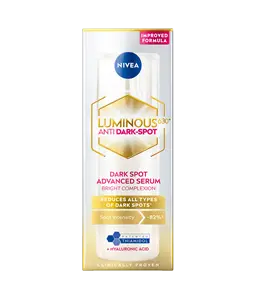
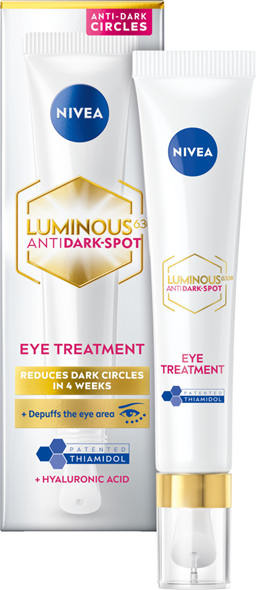
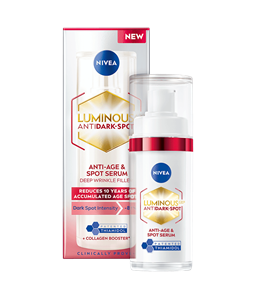
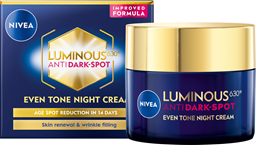
After cleansing, apply a treatment serum. A spot treatment serum targets specific skin concerns, such as sun spots on skin, helping to even out your skin tone and reduce the appearance of imperfections. The NIVEA Cellular Luminous 630 Face Treatment Serum contains Thiamidol and acts on existing pigmentation to lighten spots and reduce their size, while balancing new melanin production to prevent their reappearance, for even and luminous skin.
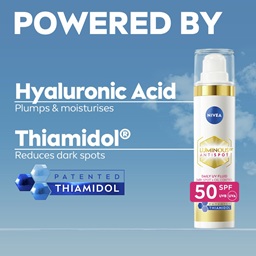
After cleansing, apply a treatment serum. A spot treatment serum targets specific skin concerns, such sun spots, helping to even out your skin tone and reduce the appearance of imperfections. Cellular LUMINOUS630 ANTI-SPOT Day Fluid SPF50 Moisturising is a vital step in skincare, offering hydration that maintains skin elasticity and prevents dryness. The is a moisturising, lightweight day cream that helps to visibly reduce sun spots on skin, and it's enriched with moisturising Hyaluronic Acid as well as protecting Vitamin E and UVA/UVB filters.

For those seeking extra coverage and colour correction, the NIVEA Cellular LUMINOUS 630 Anti Dark-Spot Tinted Fluid Double Corrector SPF 20 provides natural coverage to help conceal existing sun spots on skin. It is formulated with Thiamidol to help visibly reduce sun spots in 4 weeks* and even out your complexion. The innovative tinted fluid is also enriched with Hyaluronic Acid to hydrate and smooth your skin.
*Clinical evaluation, 48 women, 12 weeks
Whilst the above NIVEA Luminous630 routine contains products that provide high SPF to shield skin from the sun's rays, keeping this protection topped up throughout the day is key to maintaining skin health and radiance.
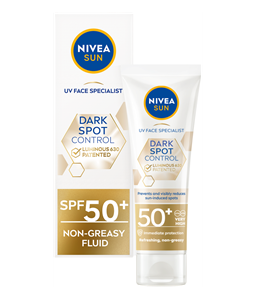
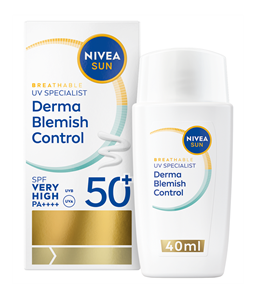
The NIVEA SUN UV Face Specialist Dark Spot Control Fluid SPF 50+ provides immediate protection against UV rays. This light and non-greasy sunscreen is enriched with Hyaluronic Acid & Vitamin E, providing a refreshing effect and a smooth skin feeling. Formulated with NIVEA's patented Thiamidol ingredient, it helps to visibly reduce existing and prevent new sun spots from appearing. The handy size can be kept in your bag to keep your sun protection topped up whilst on-the-go.
Warning: make sure you use products containing Thiamidol no more than 4 times a day. Avoid contact with the eyes.
SUN SPOTS FACTS
Appearance: Sun spots manifest as flat, brown or black pigmented patches on the skin, often described as brown sun spots on skin.
Causes: Prolonged exposure to ultraviolet (UV) rays from the sun.
Prevention: Involves consistent use of sunscreen with a high SPF, wearing protective clothing and seeking shade.
Treatment: Various skincare products containing ingredients like retinoids, antioxidants, and exfoliants.
Sun spots
ELSEWHERE ON YOUR BODY?
To address sun spots in your body care routine, incorporate the NIVEA Luminous 630 Anti Stretch Marks & Dark Spots Body Cream into your routine. This product contains Thiamidol to help visibly reduce sun blemishes and pigment spots in 4 weeks.
Consistency is key in achieving optimal results. Adopting this NIVEA skincare routine can help reduce visibility of sun blemishes and pigment spots in 4 weeks**, promoting an even skin tone and a luminous complexion.
**Consumer test, 87 participants
What is Thiamidol and
WHY IS IT GOOD FOR SUN SPOT?
NIVEA's patented Thiamidol ingredient is the result of 10 years of meticulous research and 50,000 tested molecules. Thiamidol works at a cellular level to rebalance melanin production and treat dark spots at the root cause.
By acting on existing pigmentation and promoting a more even skin tone, Thiamidol contributes to a brighter, clearer complexion and supports the overall goal of reducing the impact of sunspots on the skin.