Why do We
GET FRECKLES?
FACTS OVERVIEW
Freckles Causes:
Freckles are linked to genetics and UV exposure, which influence melanin activity in the skin.
Development:
They most often appear in childhood but can also become more noticeable later in life.
Prevention:
Using SPF regularly and limiting sun exposure could help reduce the likelihood of new freckles forming.
Care:
Gentle skincare and daily sun protection may help maintain an even-looking complexion.
What are Freckles
and how do they form?
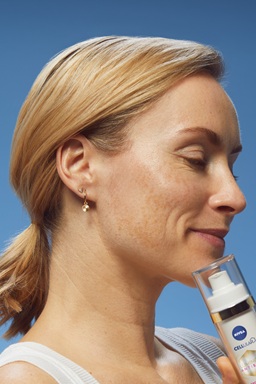
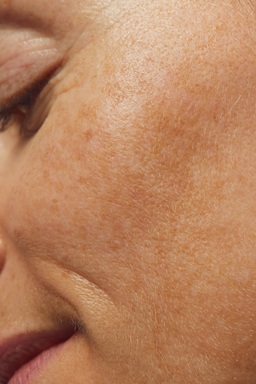
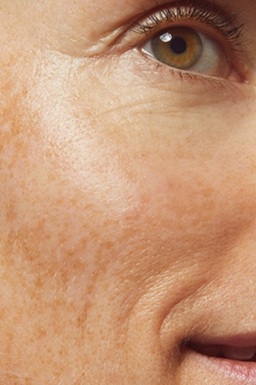
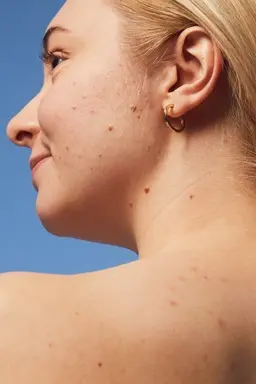
Freckles are small areas of extra pigmentation on your skin made up of melanin, the pigment that determines your skin’s colour. Freckles are flat, tan or light brown and appear either as a single spot or, more usually, as a group. Freckles on the face are most common, but they often appear on the shoulders, arms, chest and back too. They are sensitive to sunlight and will usually fade in winter.
But why do we get freckles, what exactly are freckles and can you stop freckles?
Discover what causes skin to freckle easily and who is more likely to have these wonderful markings.
What Causes
freckles?

Freckles are brown spots found on skin that’s regularly exposed to the sun – they’re smooth to the touch and, unlike moles, aren’t raised up from the skin’s surface. The colour of freckles is caused by a pigment called melanin. The more time you spend in the sun, the more melanin is produced, which is why you might notice more skin freckles after being outside on a sunny day.

Anybody can have freckled skin, but the colour of the specks might be lighter or darker depending on your hair and skin colour. People with red-coloured hair and fair skin are more likely to have freckles, but this is just one of many factors that affect whether skin freckles.
The MRC1 gene that controls why some people have freckles is the same one that determines red hair. People with red hair are likely to have and develop freckles as they often also have fairer skin that is more sensitive to the sun.
People usually develop freckles in childhood, or as a teenager, but they can fade as we grow older.

How to Care for
freckles on the face

Skin that freckles easily should be embraced and well cared for. The best way to do this is with a thorough skincare routine that gives your skin exactly what it needs. As freckled skin tends to be on the fairer side, it can be more prone to damage from UVA and UVB rays.
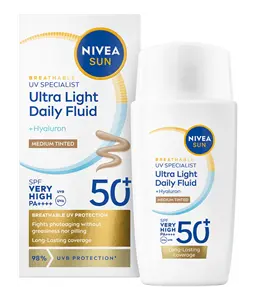
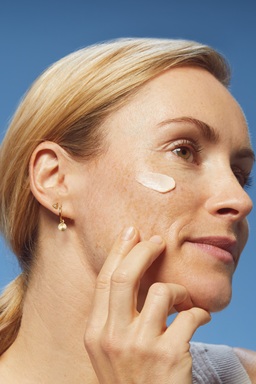
Suncream should be reapplied often, even on days when it doesn’t seem sunny. Don’t forget to reapply after swimming or exercise. On cooler days, opt for a tinted moisturiser with added SPF, which will provide some coverage as well as protection.
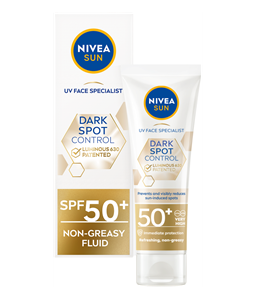
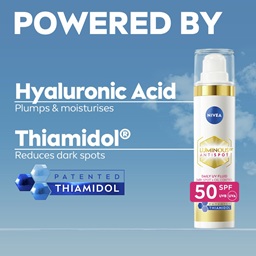
Sunburn is your skin’s response to damage and it can have long-lasting effects on your skin and health. NIVEA’s Sun range offers protection for the whole family and includes sunscreen especially for use on your face, ideal for protecting freckles on your face. Try our NIVEA Luminous630 Sun Fluid SPF50 to protect your face from damaging UV rays. As well as protecting the skin from damaging UV light, it also works to help prevent and visibly reduce sun spots.
- Stay out of the sun
... during the hottest hours of the day to protect your delicate skin
- Wear big-brimmed hats and protective clothing
... on the hottest days to shade your skin from UV rays
- Always apply moisturiser
... after being out in the sun to keep freckled skin smooth and supple
- Don’t cover up freckles
... with a heavy foundation – learn to love your unique markings
- To even out freckled areas
... use a brow pencil to dot in a few extras
- Products with SPF protect your face
... from UVA and UVB radiation – include sunscreen for face in your daily routine
Step-by-Step
face care routine for freckles
While freckles are influenced by genetics and cannot be fully prevented, minimising the appearance of new freckles is possible by protecting skin from UV radiation and supporting it with a gentle skincare routine. Daily sun protection and mindful habits may help reduce excess melanin production, helping to maintain a more even-looking complexion over time1.
How to
stop freckles
Simple daily habits can help protect freckled skin and keep it healthy-looking. Following a few mindful steps can support skin resilience and reduce the chance of new freckles forming.
A smattering of freckles on the bridge of your nose, shoulders or cheeks is cute, but while they’re beautiful, it’s also worth keeping an eye on them as they can be the first sign of sun damage. While freckles themselves are not harmful, understanding how to stop freckles goes hand in hand with good sun protection.
If you’re wondering how to stop freckles, it’s important to remember that they’re much admired by the freckle-less, but sunscreen will stop freckles from spreading and merging together, which can be a signal you’ve been out in the sun for too long.
Here are some tips on how to stop freckles and stay sun safe:
- Use a sunscreen with SPF (sun protection factor) 30 or above.
Reapply sunscreen every 2 hours while you are out in the sun.
- Avoid stepping out when the sun's rays are at their peak (10 am to 4 pm)
- Wear sun-protective clothing and hats
While you can’t completely stop freckles, by staying out of the sun and using sun cream your skin will have more protection, which means less melanin will be produced and your skin may produce fewer freckles. Because of this increased production of melanin caused by the sun, people who get freckles should be more careful in the sun as they have an increased likelihood of getting skin cancers. If you have freckles you should pay attention to any that change shape or colour and seek medical advice if you’re worried about any of them.
Heat can make freckles darker, so if your face is feeling flushed, apply a cool flannel to your face or splash your skin with cold water after coming in from the sun.
Lentigo
Lentigo can affect males and females of all ages and skin colours, although having fair skin, sun exposure or repeated sun damage can cause lentigo, especially in mature skin.
4 main causes of lentigo are:
- Sunburn
- Sun damage
- UV light damage from sunbed use
- Ageing

Lentigo is classified into different types according to what they look like, where they appear on the body, what has caused them, and whether they are linked with other diseases or conditions.
Lentigo may appear as a single mark or as a group (this is more common) and can be jagged or smooth-edged. They are usually round and between 3-15 mm in diameter.
It’s important to keep an eye on any marks on your skin that you’re concerned about.
The ABCD-Easy rules are a good way of tracking changes that might indicate a ‘melanoma’:
A - Asymmetry: Normal moles are symmetrical – draw a line through the middle. Both sides should be symmetrical. It may be something more serious otherwise and worth seeing your doctor.
B - Border: Moles that may cause cancer often have borders that are uneven, bumpy or jagged.
C - Colour: Having freckles or moles with more than one colour can be a sign of something cancerous.
D - Diameter: A growth larger than 6 mm should be checked by a doctor.
E - Evolving: Any changes in size, height or colour of a mole should be checked by a doctor.
Stay Out of
the sun
- Stay out of the sun, especially during the times when the sun is most powerful (11 am–4 pm), seek the shade and stay indoors when you can.
- Use sun-protective clothing – there are clothes available that protect against UV rays such as long sleeve shirts, trousers and hats.
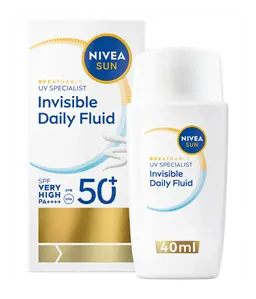
- If you do need to head out in the sun, use an SPF 50 sunscreen to protect from sun overexposure and reapply every couple of hours. Check out our NIVEA Sun range to protect your skin.

How to Remove
freckles on the face and body
NIVEA UV Face Sun Cream – this face sun cream provides immediate and effective sun protection, leaving your skin feeling light and non-greasy. It also absorbs excess oil on your skin, leaving a mattifying effect. This won't remove freckles, but suncream will stop freckles from forming in great numbers. Freckles are an excellent guide to sun exposure – while a little sunlight will bring out a sprinkle of pretty freckles, too many could be a sign of UV damage.
Creams – lotions designed to treat hyperpigmentation can help to even your skin tone and improve radiance, targeting sun spots and redness and giving the perfect backdrop for your freckles.