Age spots: What are they, causes &
how to get rid of them
Age Spots
on Skin
Do you have brown spots on your hands or small, dark discolourations on your face? Don't worry, these age spots are natural and harmless skin reactions. However, if you’d like to reduce their appearance and gently remove age spots over time, this guide is for you. Discover what age spots are, their causes and helpful advice on how to effectively prevent and reduce them, including tips on how to get rid of age spots on face and how to get rid of age spots on hands.
What are age spots on the
face, hands and body?
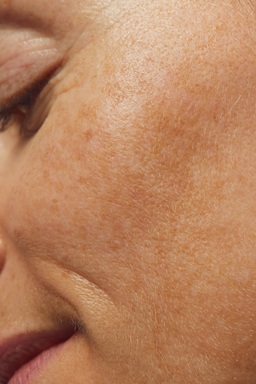
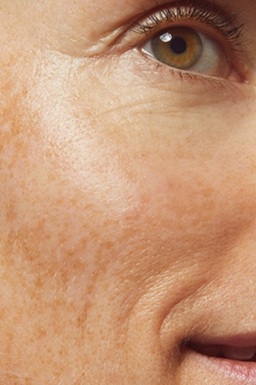
Age spots are light brown to black discolouration of the skin. Because they increase in number and intensity over the years, they are called “age spots”. In principle, though, these are pigment spots that appear in the course of skin ageing and through years of exposure to the sun. If you’ve ever wondered “what are age spots and why do they appear?”, it’s mainly down to melanin building up in certain areas of your skin.

- Age spots on the face:
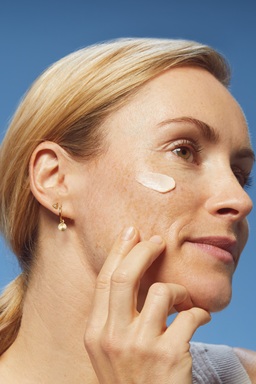
Age spots on face are very common as it’s an area frequently exposed to the sun, which is a primary trigger for them. Age spots on the face are darkened patches of skin that typically appear in areas such as the cheeks, forehead and nose. If you’re thinking about how to remove age spots on face, it’s important to combine daily SPF with targeted care products.
- Age spots on the hands:
Age spots usually occur on the back of the hands and, like age spots on face, can grow and merge together.
Age spots on hands can appear flat and brownish in colour, which can make them look like brown stains. Sometimes age spots on hands can appear as raised growths known as seborrhoeic keratosis.
- Age spots on the body:
Age spots can also appear on other parts of the body, commonly on the arms, shoulders and legs. They are the most common cause of discolouration and, just like on the face, these pigmentations develop from sun exposure, hormonal changes, pregnancy or some types of medications.
Whether on the face, hands or body, age spots usually appear from the age of 40 and are a natural sign of ageing. After all, your skin has done a lot for you over the years. They can affect people of all skin types, but are more common in adults with light skin.
The different types of
age spots

Age spots typically fall into two main types based on their causes and appearance:
- Senile Lentigines:
Senile lentigines are age spots that are a result of the natural ageing process and not solely due to sun exposure. They tend to be smaller and more numerous compared to sun-induced age spots. Senile lentigines may develop on areas of the body that are less frequently exposed to the sun, like the chest, abdomen and back.
- Solaris Lentigines:
These are the most common type of age spots and are caused by prolonged exposure to the sun’s UV rays. They appear as flat, oval or irregularly shaped spots with varying shades of brown, tan or black. These spots typically occur on areas of the skin that are frequently exposed to the sun, such as the face, hands, shoulders, arms and upper back.
It’s important to remember that age spots are generally harmless and not a cause for medical concern. However, it’s essential to monitor any changes in the appearance of spots on your skin and speak to a dermatologist if there’s any uncertainty about their nature or if they show signs of irregularity.
What causes
age spots?
Age spots are primarily caused by prolonged exposure to the sun’s harmful ultraviolet (UV) rays. Here are the 4 main factors that contribute to the development of age spots and other ageing spots:
1. Sun Exposure:
The primary cause of age spots is excessive sun exposure over the years. UV rays trigger the production of melanin, which leads to the darkening of the skin, resulting in age spots.
2. Age:
As you get older, your skin becomes more susceptible to developing age spots. The skin’s ability to regenerate and repair itself diminishes, making it easier for melanin to accumulate in certain areas.
3. Genetics:
Genetics can play a role in the development of age spots. If your parents or close relatives have a history of age spots, you may be more prone to getting them as well.
4. Hormonal Changes:
Hormonal fluctuations, such as those during pregnancy or menopause, can trigger the appearance of age spots.
How to get rid of
age spots?
Getting rid of your age spots can be quite difficult, however there are some approaches you can take to help reduce them. When you’re thinking about how to get rid of age spots or even complete removal of age spots, it helps to combine good daily care with targeted treatments. Here are some effective approaches to minimise their appearance (please bear in mind that some of these solutions can be invasive, so seek advice from your dermatologist where appropriate):
- Skincare Routine:
Adopt a skin care routine that specifically targets this concern by incorporating cleansers, serums, moisturisers and a sunscreen that can help to fade and reduce the appearance of age spots over time. This is one of the safest and easiest solutions to address skin concerns, and therefore our most recommended if you’d like to remove age spots gently at home.
- Laser Therapy:
Laser treatments, such as intense pulsed light (IPL) or fractional laser therapy, can target and break down melanin in age spots, leading to a reduction in their appearance. These treatments are usually performed by dermatologists or trained professionals.
- Chemical Peels:
Chemical peels involve applying a chemical solution to the skin to remove the top layers, encouraging new skin growth and reducing the appearance of age spots.
- Cryotherapy:
In this procedure, liquid nitrogen is applied to freeze and destroy the excess melanin in age spots, leading to their eventual fading.
- Microdermabrasion:
With this treatment, the upper layers of the skin are removed mechanically. This is done using fine crystals that are blasted onto the skin at high speed and then suctioned off again. As a result, deep discolourations are removed and the skin regenerates, which can support removing age spots that are more stubborn.
- Home Remedies:
Some people like to explore how to remove age spots naturally. Natural remedies like Lemon juice, Aloe Vera, Apple Cider Vinegar and Green Tea extract may help lighten age spots when applied topically. However, it's essential to use these remedies with caution and perform a patch test to avoid skin irritation.
Before considering any invasive treatment (laser therapy, chemical peels, cryotherapy or microdermabrasion), speak to a dermatologist to determine the most suitable approach for your skin type and the severity of your age spots. Remember, consistent sun protection is key to preventing new age spots from forming and maintaining overall skin health.
NIVEA Luminous630 Skincare Routine
to reduce age spots:
Cleanse and Tone: Start your skincare routine with a thorough cleansing and toning process to remove dirt and impurities, preparing your skin to absorb the nourishing ingredients in your care routine and support removing age spots over time.

Serum:
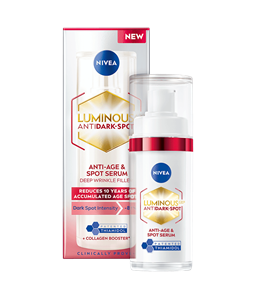
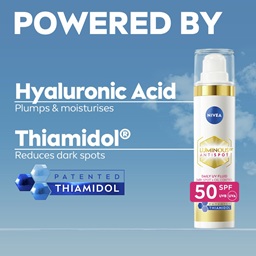
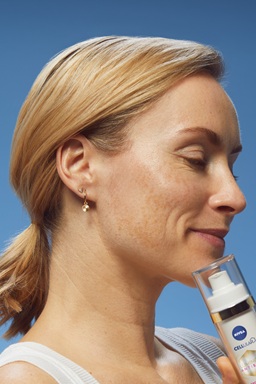
Choose a serum that could help brighten your skin and fade dark spots, including age spots. Products like the NIVEA Cellular Luminous630 Anti-Spot 2-in-1 Anti-Age & Spot Serum contain collagen-boosting ingredients and Hyaluronic Acid to pump the skin with moisture. It’s formulated to help target age spots, even out your skin tone and reduce wrinkles. Dermatologically approved, it’s gentle on the skin and suitable for all skin types, making it a great choice if you want to treat age spots face effectively.
The NIVEA MEN Anti-Age 2 in 1 Power Serum also helps target signs of ageing. Formulated with Thiamidol and Hyaluronic Acid to hydrate, combat wrinkles and reduce the appearance of age spots, it offers a convenient solution for men seeking effective anti-ageing care.
Day Cream:
A day cream provides essential moisture and hydration throughout the day, helping to restore the skin’s natural barrier and shielding it from environmental aggressors like UV rays, pollution and other stressors that can contribute to the formation of age spots and other skin conditions. The NIVEA Cellular Luminous630 Anti-Dark Spot Day Cream is a lightweight moisturiser that not only provides intense moisture but also helps to reduce the appearance of age spots over time. Made with powerful Thiamidol technology, it’s suitable and effective for all skin types and supports the removal of age spots as part of your daily routine.
Night Cream:
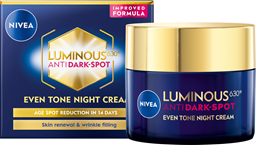
At night, to support your skin’s natural regeneration process while you sleep, consider using a night cream that contains ingredients that could help to reduce the appearance of age spots. The NIVEA Cellular Luminous630 Anti-Dark Spot Night Cream contains cell-activating Hyaluronic Acid that helps to rejuvenate your skin and contains Thiamidol to help reduce the appearance of age spots.
Sunscreen:
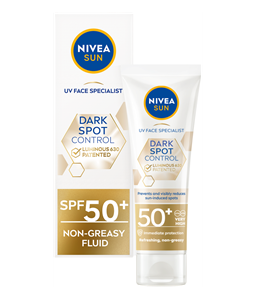
During the day, make sure you protect your skin from further sun damage and shield it from harmful UV rays by applying a sunscreen with a high SPF. The NIVEA SUN UV Face Specialist Dark Spot Control Fluid helps to prevent and visibly reduce sun-induced spots by protecting your delicate facial skin against UV rays. This light and non-greasy fluid formula enriched with Hyaluronic Acid & Vitamin E offers a refreshing effect and a smooth skin feeling. It’s also made with Thiamidol to visibly reduce sun-induced age spots within just 4 weeks, which is ideal if you want to get rid of age spots on face caused by the sun.
Optional Weekly Mask Treatment:
Once a week you could also incorporate a brightening face mask into your routine. The NIVEA Q10 Power Anti-Age Brightening Mask helps to provide an extra boost of brightening. The serum-infused mask is enriched with dual-action Coenzyme Q10 and acts as a powerful antioxidant to protect skin against aggressors.
By incorporating NIVEA’s Luminous skincare products into your routine, you could reduce your age spots and help prevent new spots on hands, face and body from forming.

How does Thiamidol
help age spots?

After 10 years of research and testing, NIVEA has introduced a revolutionary solution to dark spot treatment through the patented ingredient Thiamidol, to help address melanin production at a cellular level.
Thiamidol is NIVEA’s breakthrough patented ingredient that can help fade and prevent dark spots and age spots, developed by a team of skincare experts. Thiamidol acts as an ingredient to safely fade dark spots and help prevent future pigmentation, which is particularly useful if you’re looking at how to get rid of age spots without resorting to more invasive procedures.
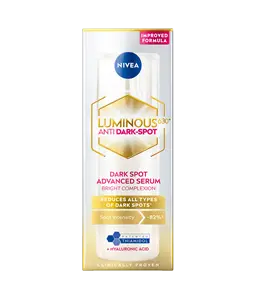
The range is also enriched with effective ingredients such as Hyaluronic Acid, which can be found in the advanced treatment serum to brighten the skin. There is also a collagen booster infused in the anti-age and spot serum to help fill deep wrinkles.
How to get rid of
age spots on hands
To minimise age spots on hands, you should apply sunscreen to the back of them every day. Regularly applying sunscreen can help prevent further development of the age spots caused by sun exposure and is one of the easiest ways to get rid of age spots on hands over time.
The NIVEA Luminous 630 Anti Dark-Spot Advanced Hand Cream is a hand cream enriched with NIVEA’s breakthrough ingredient Thiamidol and Hyaluronic Acid to nourish dry hands. The cream contains SPF15 to help protect the hands against sun-induced darkening, which could help with reducing the appearance of age spots. In addition, this hand cream reduces the appearance of fine lines and wrinkles, so it supports both caring for your skin and gently removing age spots on the backs of your hands.
How to prevent
age spots?
Preventing age spots involves adopting protective measures to minimise exposure to harmful UV rays and taking good care of your skin. Here are some effective strategies to help prevent age spots so you won’t need to worry as much about how to get rid of age spots later on:
Sunscreen:
Apply broad-spectrum sunscreen with an SPF of 30 or higher daily, even on cloudy days. Reapply every two hours and after swimming or sweating. Sunscreen creates a barrier that helps protect your skin from the damaging effects of UV radiation.

Seek Shade:
Limit your time in direct sunlight, especially during peak hours when the sun’s rays are strongest (usually between 10 am and 4 pm). Seek shade under trees or umbrellas, or wear protective clothing.
Protective Clothing:
Wear wide-brimmed hats, sunglasses and long-sleeved shirts and trousers made from tightly woven fabrics to shield your skin from the sun. By adopting these preventive measures and making sun protection a priority, you can significantly reduce your risk of developing age spots and maintain healthier, more youthful-looking skin over time.
Keep Hydrated:
Staying hydrated helps to maintain your skin’s moisture barrier, which acts as a protective shield against external factors like UV radiation, pollution and free radicals. A strong moisture barrier can aid in preventing damage that can lead to age spots. To stay hydrated, it’s recommended to drink a minimum of 1.2 litres of water a day.
Age spot
Takeaway
Age spots are a common skin condition that many people encounter as they age. Age spots are natural and commonly appear on sun-exposed areas like the face, hands and legs. Despite being a natural and harmless reaction of the skin, they can be a cause of concern if you’d like to remove age spots or make them less visible.
The good news is that you’re able to prevent and treat age spots by applying sunscreen regularly and avoiding sunbeds to protect your skin from UV rays. There are also various treatments available, including creams, serums, chemical peels, microdermabrasion, laser therapy and home remedies if you prefer to explore how to remove age spots naturally first.
While age spots are generally not dangerous, it’s strongly advised to have any skin discolouration examined by a dermatologist to rule out serious skin conditions.