Argan oil
for face
Argan oil
for face
What is argan oil? Is it recommended for the face? We'll show you why this oil is so appreciated and effective.

Moroccan women have been using argan oil for its benefits for skin and hair for generations. But what exactly is argan oil, and what makes it so effective?
Argan oil is produced from the nuts found on argan trees, which are native to Morocco. These nuts contain between one and three oil-rich argan kernels, which are then extracted by cracking and roasting the nuts to produce what we know as argan oil.
Argan oil is light in texture and easily penetrates your skin. But despite its lightweight consistency, it’s a heavyweight when it comes to what it can do for your skin. Rich in nourishing nutrients, including vitamin E, fatty acids, squalene and antioxidants, argan oil can protect, soothe and help treat a whole host of skin conditions.
Argan oil
properties
Key argan oil properties include:
Polyphenols, otherwise known as flavonoids – powerful antioxidants that also help give the oil its unique flavour
Carotenes – your body converts these into vitamin A, which supports healthy skin and eyes and boosts your immune system
Vitamin E – helps maintain healthy skin and eyes and strengthens your body's immune system
Omega fatty acids – help to support your skin's natural oil barrier and therefore help to keep skin looking hydrated, plumper and more youthful
Melatonin and plant sterols – natural antioxidants
What is
argan oil used for
Here are a few examples of what argan oil for face is used for:
- Make-up remover
- Hair treatment
- Protecting skin from sun damage
- As a moisturiser
- Treating cuticles (rub a small amount of oil into your cuticles to keep them from snagging)
- Treating acne
- Anti-ageing
- A treatment for stretch marks
- A body lotion
- A skin brightener
- To encourage hair growth (phenols found in argan oil stimulate the scalp)
- Fading dark spots
- Drizzling it on food – its sweet, nutty flavour is perfect on a wide variety of dishes
- Treating wounds and burns
Is argan oil
good for face?
Argan oil for face has become such a phenomenon in skin care and hair care because it contains so many beneficial qualities – it truly does provide a wide array of benefits when you use it. There’s a reason why it’s been dubbed ‘nature’s liquid gold’, and it’s not just due to the colour of it in its purest form. But you might still be wondering: is argan oil good for face?
Argan oil
SKIN BENEFITS:

Boosts elasticity
Hydrates skin to help prevent dry and flaky patches
Prevents and reduces stretch marks: the skin regeneration and repair qualities of argan oil help to reduce inflammation, increase skin’s elasticity and minimise the appearance and texture of stretch marks.
Prevents & minimises sun spots: argan oil contains a physical filter against UV light, which therefore helps to prevent sun damage, and its skin repair qualities, including vitamin E, help to fade sun spots – resulting in happy, glowing skin (note: it should not be used as a substitute for SPF).
Controls oily skin: argan oil’s anti-inflammatory and antioxidant properties can help to treat oily skin and acne. Argan oil regulates sebum production so your skin is hydrated and won’t start to overproduce oil – this is especially useful if you already have oily skin.
Reduces breakouts: reducing sebum production helps to prevent clogged pores that can lead to breakouts
Helps other products absorb into your skin: argan oil is ultra-hydrating and aids exfoliation, meaning there isn’t a barrier of dead skin cells for skincare products to act through, so they can be more easily absorbed into your skin.
Prevents wrinkles: thanks to its highly nourishing and sun-protective qualities, skin ageing caused by dryness and sun damage is reduced. Argan oil’s high vitamin E content helps strengthen the skin’s barrier, reducing the appearance of fine lines and wrinkles.
Protects hair from heat damage: argan oil’s abundance of vitamin E and fatty acids can help protect your hair and scalp from damage caused by styling tools such as straighteners and hairdryers. Rub a small amount into wet or dry hair before use.

Argan oil
FOR ACNE
An amazing argan oil skin benefit is that it’s very helpful if you struggle with acne, as it can help to reduce acne scarring. It does this by promoting natural skin regeneration, hydration and elasticity. When you buy shop-bought acne remedies, they often contain ingredients that strip your skin of its natural oils, causing dryness – and then sebum production increases tenfold to compensate for the lost oils. This can lead to clogged pores, further breakouts and more scarring.
This is where argan oil for acne really comes into play. Argan oil soothes and helps to reduce the inflammation that comes along with acne breakouts, which helps to control sebum production and reduce further clogged pores, as well as promoting gentle self-exfoliation – allowing your pores to breathe. In terms of helping to reduce existing acne scarring, the vitamin E it contains supports natural skin repair, and the antioxidants work to repair and help heal damaged skin. What more could you want?

Argan oil’s omega fatty acids, vitamin E and linoleic acids all work together to hydrate your skin and soften dry patches.
Either use it daily on your face, or rub argan oil – or an argan oil-based cream – into dry areas such as your elbows or around your eyes.
How to use argan oil for face:
5 EASY STEPS
Pat your face dry (don’t rub, as this can irritate your skin) and leave your skin slightly damp, but not wet.
Apply 2–3 drops of argan oil to your face and gently massage it in using circular motions, making sure you spread it evenly all over your face.
Leave it to absorb into your skin for 5 minutes (the longer you can leave it, the better).
Repeat this process once a day and watch your skin flourish.
Wash your face with cold water using a gentle face wash to make sure your skin is clean before you apply anything else.
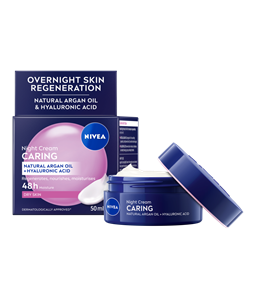
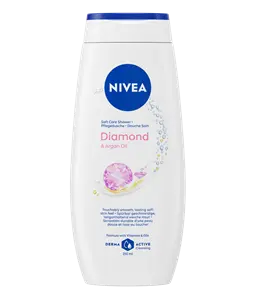
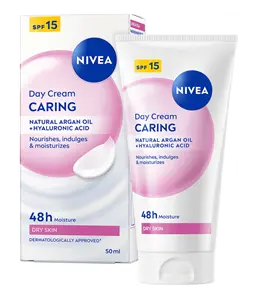
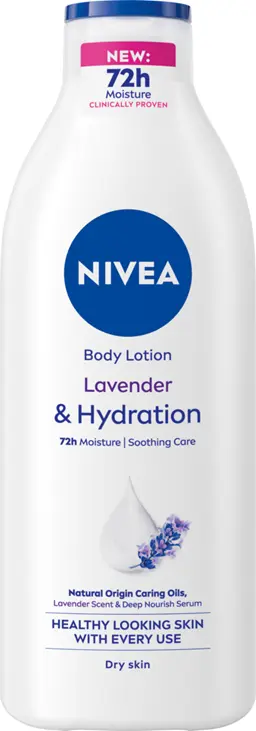
Argan oil isn’t just limited to oil-based products – it’s also commonly used in day creams, night creams and body lotions, so it’s great for pretty much any skincare need.
An effective way to reap the rewards of argan oil is to build it into your daily morning routine in the form of a day cream. That way, the antioxidant properties of argan oil can help to protect your skin from external aggressors all throughout the day.
If you’re not sure which day cream to go for, explore the NIVEA Q10 Anti-Wrinkle 60+ Replenishing Day Cream with SPF15, made with pure Q10 and organic argan oil for up to 24 hours of intense hydration and care. As well as keeping your skin hydrated, this specially formulated cream helps to firm your skin and reduce and prevent wrinkles – for glowing, younger-looking skin. The formula also contains SPF 15 to help protect your skin from damaging UV rays that cause premature skin ageing. After just 4 weeks, skin feels plumper and deep wrinkles are visibly minimised – all thanks to the power of argan oil and Q10!

Argan oil
SKIN BENEFITS


ARGAN OIL
for Face
It’s one of the rarest oils in the world.
Moroccans often use it to massage their babies, as locals are convinced of its health-giving properties.
In 1999, the Moroccan argan forest was designated a UNESCO World Heritage Site.
Goats really enjoy eating the fruity flesh of the argan fruit and often climb the trees to reach it.
Skincare
ingredients
Sometimes you know which ingredients you want to use but not which products actually contain them. Sometimes it’s easier to browse products based on the ingredients. Click here to browse NIVEA products based on the skincare ingredients they contain
.