

How to Prevent Wrinkles:
Daily Skincare Tips
How to Prevent Wrinkles and
Support Smoother, Firmer-Looking Skin
Wrinkles are a natural part of ageing and reflect a life filled with smiles, expressions, and experiences. While they are inevitable, the appearance of skin can be supported with daily habits, sun protection, and targeted skincare.
With decades of skincare expertise, NIVEA supports skin at every stage of life. This guide explains why wrinkles form, where they can appear, and how a structured routine with carefully selected ingredients may help maintain firmness, smoothness, and hydration over time.
What Are Wrinkles
and How Do They Form?
Wrinkles are natural lines, folds, or creases that appear on the skin over time.1 They can vary in depth, from fine lines to deeper creases. As skin gets older, collagen and elastin, the proteins responsible for firmness and elasticity, gradually decrease, and skin becomes thinner.2 Facial movements, sun exposure, and lifestyle factors can also influence how noticeable wrinkles appear.3
Dynamic vs.
Static Wrinkles
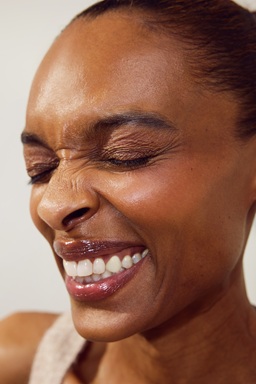
Dynamic wrinkles appear when facial muscles move during expressions such as smiling, frowning, or squinting. Over time, these lines may become more noticeable even when the skin is not actively moving.
Static wrinkles are present even without facial movements. They develop gradually as natural levels of Collagen and elastin decrease, making skin less firm and more prone to lines.4
FACTS OVERVIEW
Causes of Wrinkles:
Wrinkles form naturally as collagen and elastin decrease over time and may be influenced by UV exposure, repeated facial movements, lifestyle factors, and genetics.
Wrinkle Care Options:
Serums, creams, and SPF formulated with ingredients such as pure Q10, Hyaluronic Acid, Collagen-Peptides, and Ceramide can help reduce the appearance of wrinkles with regular use.
Wrinkle Prevention Tips:
Daily sun protection, gentle skincare, balanced nutrition, and adequate sleep may help slow the visible effects of skin ageing and maintain comfortable, healthy-looking skin.
Common Wrinkle Types
and Where They Appear

- Forehead Lines
Horizontal lines across the brow, often forming from raising your eyebrows.
Read more > - Frown Lines
Also known as “11 lines”, vertical lines between the eyebrows, developing gradually from repeated expressions like frowning or squinting.
Read more > - Bunny Lines
Fine lines on the sides and bridge of the nose, appearing when smiling, laughing, or scrunching the face.
Read more > - Crow’s Feet
Radiating lines at the outer corners of the eyes, where the skin is thinner and more delicate.
Read more > - Laughter Lines / Nasolabial Folds
Creases running from the sides of the nose to the corners of the mouth, often deepening with repeated smiles or laughs.
Read more > - Lip Lines
Small vertical lines around and above the lips, sometimes forming from speaking, smiling, or pursing the lips.
Read more > - Marionette Lines
Lines extending from the corners of the mouth toward the chin, which can give a slightly downturned appearance as skin loses firmness.
Tip: Regular use of serums, creams, and daily SPF may help support skin’s firmness, elasticity, and smoothness, keeping wrinkles less noticeable over time.
What
Causes Wrinkles?
Several factors can influence when wrinkles appear, where they form, and how noticeable they become. Understanding these factors can help guide daily habits and skincare choices.
- Ageing:
From the mid-twenties, skin gradually becomes thinner, less elastic, and slower to renew. Collagen and elastin, which support firmness and flexibility, decline over time, making lines more visible.¹
- Sun Exposure:
Ultraviolet (UV) light breaks down Collagen and elastin, accelerating the appearance of fine lines and wrinkles. Daily SPF can help maintain smoother, more nourished skin.
- Facial Movements:
Repeated expressions such as smiling, frowning, or squinting contribute to dynamic wrinkles, which may deepen and become visible even when the skin is relaxed.
- Lifestyle Factors:
Smoking, poor sleep, stress, and diet can affect skin appearance. Balanced nutrition, rest, and avoiding smoking may help support skin health.³
- Genetics:
Some people naturally develop lines earlier or more prominently due to family traits and skin type⁵.
- Hormonal influences:
Hormones, particularly the drop in oestrogen levels during the menopause, can affect the skin’s collagen and contribute to the formation of wrinkles.
These factors often combine, making wrinkles most noticeable in areas of frequent movement or thinner skin. While wrinkles cannot be completely prevented, understanding what influences them can help support skin’s comfort, resilience, and appearance.
How to
Prevent Wrinkles
While wrinkles are a natural sign of life and expression, adopting certain habits may help skin appear smoother, firmer, and more supported over time. Prevention focuses on supporting the skin’s natural structure, maintaining hydration, and reducing factors that can accelerate visible ageing.
6 Daily Habits That Support Smoother-Looking Skin:
- Hydration:
Drinking enough water supports skin comfort and elasticity. Proper hydration helps skin feel soft and may reduce the risk of fine lines appearing.⁶
- Nutrition:
A balanced diet rich in Vitamin A, Vitamin C, protein, and antioxidants supports healthy-looking skin. These nutrients contribute to Collagen production, help protect against free-radical damage, and may support a more even skin-tone.⁷
- Sleep:
Adequate rest allows the skin to recover and regenerate. Sleeping on your back can help prevent compression lines on the face, and investing in silk pillowcases may reduce friction and pressure.
- Stress Management:
High stress levels can influence how skin ages over time. Mindfulness, meditation, yoga, or light exercise may support overall wellbeing and help skin look firmer.⁸
- Sun Protection (Daily SPF):
UV exposure is a major factor in visible skin ageing. Daily use of broad-spectrum UV protection helps protect collagen and elastin, maintaining skin’s appearance and reducing the formation of lines.⁹
- Avoid Smoking:
Smoking can reduce Collagen production, impair skin elasticity, and accelerate visible ageing. Limiting exposure may help skin appear firmer and more supple.³
- Gentle Care:Being mindful of repetitive movements and handling the skin gently, for example, when cleansing or applying skincare, may support comfort and radiance.

Skincare Routines to Help
Support Smoother-Looking Skin
A structured routine can help reduce the appearance of existing wrinkles while supporting skin to look more hydrated and firmer looking over time. Below are three carefully designed routines using NIVEA products, each combining targeted ingredients to help prevent the formation of new wrinkles.
Routine 1: Advanced Q10 Collagen Boost
The Q10 range is powered by pure Q10 to help support skin’s natural structure and improve firmness. Its nourishing formulas hydrate, help smooth, and leave skin looking supported and more revitalised.

Step 1: Cleanse
Cleansing gently removes impurities, excess oil, and makeup, preparing the skin to absorb active ingredients effectively while maintaining its natural moisture balance. This step helps the skin feel refreshed, soft, and comfortable, creating the ideal base for your serum and moisturiser.
Step 2: Serum
Serums deliver concentrated ingredients to target wrinkles and support skin structure, and the NIVEA Q10 3-in-1 Collagen Boost Serum does this with its formula containing pure Q10 and collagen-peptides, leaving skin smooth, hydrated, and firmer-looking over time.
Step 3: Moisturise
Moisturising helps lock in hydration and support the skin barrier, especially for extra dry skin prone to visible lines. The NIVEA Q10 Facial Butter is formulated with pure Q10, Ceramide, and Collagen-Peptides and reduces sagging in mature skin from 7 days*. With regular use, deep wrinkles and expression lines are reduced, leaving the facial contours firmer and more defined.
*Instrumental test, 33 volunteers
Step 4: Protect with SPF
Sun protection is important in helping prevent UV-induced and sugar-related skin ageing. Which is why the NIVEA Q10 Triple Wrinkle Defense Daily UV Fluid SPF50, a lightweight, non-greasy, non-sticky fluid with pure Q10 and GLYCOSTOP®, not only provides broad-spectrum UVA/UVB protection but also helps to prevent the effects of glycation, a process whereby excess sugar in the skin can damage collagen and elastin. Containing pure Q10 to help boost collagen production, this SPF offers triple protection to help prevent wrinkles and reduce their appearance.
Routine 2: Q10 Wrinkle Expert Targeted Care
The Q10 Anti-Wrinkle range combines pure Q10 with targeted anti-wrinkle actives to visibly reduce lines and help prevent new ones. Its expertly formulated products smooth, refine, and protect skin leaving it looking more rejuvenated and cared-for.
Step 1: Cleanse
Removing dirt, oil, and environmental residue promotes more effective absorption of skincare products. Gentle cleansing leaves the skin feeling refreshed, soft, and comfortable, while maintaining its natural moisture balance and preparing it for serums and moisturisers.
Step 2: Serum
Targeted serums deliver high concentrations of active ingredients to support smoother-looking skin, and the NIVEA Q10 Anti-Wrinkle Expert Dual Action Serum, powered by pure Q10 and GLYCOSTOP™, helps reduce even deep wrinkles and prevent new ones caused by glycation, leaving skin smoother-looking over time.
Q10 Dual Action Serum >
Step 3: Targeted Care
Applying focused treatments to areas with more visible lines maximises wrinkle-reducing effects, which is why the NIVEA Q10 Anti-Wrinkle Power Expert Targeted Wrinkle Filler Serum, with pure Coenzyme Q10, and Bioxifill Peptides, visibly reduces fine lines and wrinkles and helps fill and replump deeper wrinkles over time.
Q10 Wrinkle Filler Serum >

Step 4: Moisturise Overnight
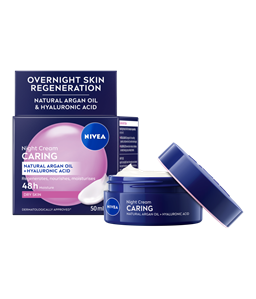
Night creams support skin renewal while you sleep, which is why the NIVEA Q10 Anti-Wrinkle Power Deep Regenerating Night Cream, with a rich texture that glides easily on the skin, contains pure Q10, Creatine, and Glycostop®. Q10 stimulates cell renewal and the natural production of collagen; Glycostop® helps prevent the effects of glycation, a process that damages collagen and elastin; and Creatine provides an extra boost to the production of collagen and elastin. Regular use not only intensely moisturises the skin, but also helps boost collagen and elastin production.
Q10 Regenerating Night Cream >
Routine 3: Epigenetics Rejuvenation
The NIVEA Epigenetics range is designed to support the skin’s natural resilience and help counter visible signs of ageing caused by daily environmental stressors. Powered by the breakthrough ingredient Epicelline®, and patented Age Clock Technology®, the range is scientifically proven to reactivate skin cells’ youth functions,* helping skin appear smoother, firmer, and more youthful with regular use.
Step 1: Cleanse
Removing dirt, oil, and environmental residue promotes more effective absorption of skincare products. Gentle cleansing leaves the skin feeling refreshed, soft, and comfortable, while maintaining its natural moisture balance and preparing it for serums and moisturisers.
Step 2: Serum
Targeted serums deliver high concentrations of active ingredients to support smoother-looking skin, and the NIVEA Q10 Anti-Wrinkle Expert Dual Action Serum, powered by pure Q10 and GLYCOSTOP™, helps reduce even deep wrinkles and prevent new ones caused by glycation, leaving skin smoother-looking over time.Q10 Dual Action Serum >
Step 3: Targeted Care
Applying focused treatments to areas with more visible lines maximises wrinkle-reducing effects, which is why the NIVEA Q10 Anti-Wrinkle Power Expert Targeted Wrinkle Filler Serum, with pure Coenzyme Q10, and Bioxifill Peptides, visibly reduces fine lines and wrinkles and helps fill and replump deeper wrinkles over time.
Step 4: Moisturise (Night)
Night creams nourish the skin and aid overnight regeneration. NIVEA Cellular Epigenetics Age-Rewind Night Cream with Epicelline-X, Pro-vitamine B5, and 3 types of Hyaluronic Acid, supports overnight repair, helping skin appear smoother-looking and more supported by morning.

Summary
While wrinkles are a natural part of ageing, daily habits can help your skin look smoother and feel nourished. Gentle cleansing, consistent hydration and SPF protection may support firmness, while balanced nutrition, adequate sleep and stress management can promote overall skin health.
Using a structured routine designed to target wrinkles can further help maintain skin hydration and elasticity. Combined with consistent daily care, these steps may leave skin feeling refreshed, comfortable and more radiant looking.
FAQs

Related
Articles




Sources :
1. Mayo Clinic. Wrinkles - Symptoms and causes. Mayo Clinic.
https://www.mayoclinic.org/diseases-conditions/wrinkles/symptoms-causes/syc-20354927
2. Quan, T. Human Skin Aging and the Anti-Aging Properties of Retinol. Biomolecules 2023, 13 (11), 1614.
https://www.mdpi.com/2218-273X/13/11/1614
3. Cleveland Clinic. Wrinkles & Fine Lines: Types, Causes & Prevention. Cleveland Clinic.
https://my.clevelandclinic.org/health/diseases/10984-wrinkles
4. Idris Adewale Ahmed; Maryam Abimbola Mikail. Diet and Skin Health: The Good and the Bad. Nutrition 2024, 119, 112350–112350.
https://doi.org/10.1016/j.nut.2023.112350
5. Wong, C.; Ng, J. Y.; Sio, Y. Y.; Chew, F. T. Genetic Determinants of Skin Ageing: A Systematic Review and Meta-Analysis of Genome-Wide Association Studies and Candidate Genes. Journal of PHYSIOLOGICAL ANTHROPOLOGY 2025, 44 (1).
https://pubmed.ncbi.nlm.nih.gov/39923055/
6. Akdeniz, M.; Tomova-Simitchieva, T.; Dobos, G.; Blume-Peytavi, U.; Kottner, J. Does Dietary Fluid Intake Affect Skin Hydration in Healthy Humans? A Systematic Literature Review. Skin Research and Technology 2018, 24 (3), 459–465.
https://pubmed.ncbi.nlm.nih.gov/39108105/
7. Kumar, V.; Neha Tanwar; Goel, M.; Khan, M.; Kumar, D.; Singh, G.; Jyoti Mundlia; Khatri, N.; Kumar, A. Antioxidants for Skin Health. Recent Advances in Food Nutrition & Agriculture 2024, 15.
https://pubmed.ncbi.nlm.nih.gov/29392767/
8. Sreekantaswamy, S. A.; Butler, D. C.; Shah, A. A. Reframing Aging in Dermatology: The Role of the Dermatologist in Healthy Aging. International Journal of Women's Dermatology 2021, 7 (5), 529–532.
https://academic.oup.com/asj/article-abstract/36/8/931/2613967?redirectedFrom=fulltext&login=false
9. Fisher, G. J. The Pathophysiology of Photoaging of the Skin. Cutis 2005, 75 (2 Suppl), 5–8; discussion 8-9. https://pubmed.ncbi.nlm.nih.gov/15773537/