Antiperspirant vs Deodorant:
What's the Difference?
Deodorant and antiperspirant are often mistaken for the same product, but they work in different ways. Learn the difference between the two and find out which is best for you and your lifestyle, keeping you feeling protected, comfortable and fresh throughout your schedule.
What is
Antiperspirant?
Antiperspirant helps prevent perspiration by temporarily blocking the sweat pores so that you can stay dry and comfortable for longer.
The Aluminium compounds in antiperspirants dissolve into the moisture on your underarms, then form an insoluble complex with the proteins released at the surface of your sweat glands, making it temporarily harder for sweat to reach the surface of your skin3.
Over time, the glands release sweat again, so antiperspirant needs reapplying. It also works on other sweat-prone areas, not just your underarms.

UP TO 72 HOURS OF PROTECTION
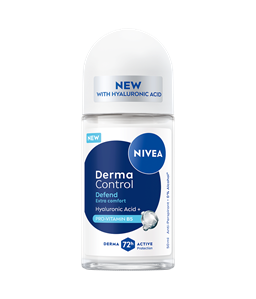
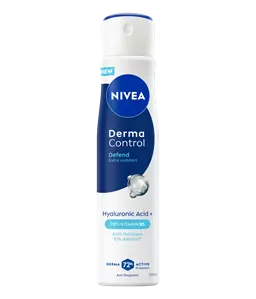
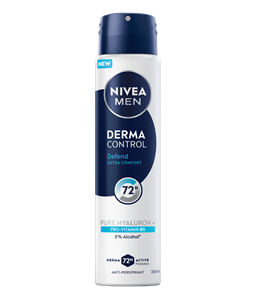
Discover the NIVEA Derma Control range of antiperspirants, enriched with Pure Hyaluron and nourishing Vitamins. The everyday Derma Control range provides up to 72 hours of gentle, reliable protection that works with your skin — not against it. Available as a roll-on or spray.
- NIVEA 72h Derma Control Defend Anti-Perspirant Spray with Pure Hyaluron + Pro-Vitamin B5 helps defend skin against irritation after shaving while providing 72h* sweat and odour protection.
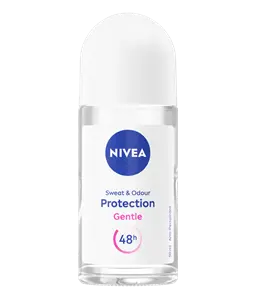
- NIVEA 72h Derma Control Restore Anti-Perspirant Roll On with Pure Hyaluron + Vitamin E helps calm and regenerate the skin, made for sensitive skin with a hypoallergenic fragrance.
NIVEA MEN includes:
- NIVEA MEN 72h Derma Control Defend Anti-Perspirant Roll On with Pure Hyaluron + Pro-Vitamin B5 helps defend the skin against itchiness, with reliable 72-hour protection.
- NIVEA MEN 72h Derma Control Sensitive Anti-Perspirant Spray with Pure Hyaluron + Vitamin E helps protect sensitive skin against irritation while providing gentle care.
Together, women and men can help control sweating and guard against skin irritations and itchy armpits, helping the skin feel soft, soothed and comfortable.
*Instrumental test, 19 to 22 volunteers depending on the product
UP TO 100H OF ACTIVE PROTECTION
When sweat feels like too much and other products haven’t worked, the antiperspirants in the NIVEA Derma Control Clinical range can help.
With up to 100 hours** of active protection, plus two types of Pure Hyaluron and skin-caring Vitamins, it delivers NIVEA’s most powerful defence for excessive sweating while staying kind to your skin — built for heavy sweaters who would rather not choose between strength and comfort.
NIVEA Derma Control Clinical is available as a spray or roll-on, with a version specially designed for men. Its alcohol-free (ethyl alcohol) formula helps protect against signs of dryness and feelings of irritation.
**Instrumental test, 31 to 33 volunteers depending on the product.
BLACK & WHITE RANGE
NIVEA Black & White Invisible is built around stain protection, using Dual Shield technology to help prevent white marks on dark fabrics and yellow stains on light ones. This range helps to protect your skin from sweat, odour and irritation while helping to keep your clothes free from stains and residue.

5 benefits of using
DEODORANT AND ANTIPERSPIRANT
Deodorants and antiperspirants work in different ways to protect you against the odours caused by sweat. Here are the possible benefits of each type of product.

2 deodorant benefits
- Odour Protection: Deodorant can help target the bacteria that cause body odour, helping you feel fresh through the day.
- Fresh Fragrance: Deodorant tends to have a light fragrance that can help to neutralise and mask unwanted smells, leaving you feeling clean.
3 additional antiperspirant benefits
- Sweat Reduction: Antiperspirant can help to temporarily block the sweat pores, helping reduce how much you sweat.
- Dry Comfort: Antiperspirant can help you stay drier, more comfortable and confident, even on busier or warmer days.
- Stain Protection: Some antiperspirants help look after your clothes by pairing sweat protection with anti-stain technology. NIVEA Black & White is designed to help prevent white marks on dark fabrics and yellow stains on light ones.
Which should you choose:
Deodorant or Antiperspirant?
The right choice between deodorant and antiperspirant comes down to the desired result and what feels most comfortable. Deodorants can help protect against unpleasant odours, while antiperspirants can also help reduce sweating.
Needs can change day to day, and different levels of sweating may call for a different strength, from busy daytime schedules to sweating more at night.
Use a deodorant to help:
- Prevent body odour.
- Stay fresh when sweating is light.
- Feel protected during light-intensity activities where light sweating is likely.
Use an antiperspirant to help:
- Get stronger protection against both body odour and wet underarms.
- Stay fresh and dry through higher intensity activities such as exercising, being out in the sun or having a busy day.
Antiperspirants combine the benefits of deodorant and antiperspirant, giving double protection against body odour and wetness.

How to apply
DEODORANT OR ANTIPERSPIRANT
Applying deodorant or antiperspirant correctly can make a big difference in how well it works. While the application process is similar, the timing and purpose of each product are slightly different.

DEODORANT
Deodorant helps control body odour by reducing the bacteria that cause unpleasant smells. For the best results:
- Start with clean, dry underarms. Applying deodorant after showering helps it work more effectively.
- For roll-ons, apply a light, even layer to each underarm. For sprays, spray from around 15cm away from the underarm. Avoid overapplying, as more product won't necessarily provide better protection.
- Allow the product to dry before getting dressed to help prevent transfer onto clothing.
- Reapply throughout the day if needed, particularly after exercise or excessive sweating.
ANTIPERSPIRANT
Antiperspirant works differently by reducing the amount you sweat. To get the most effective protection:
- Apply to clean, completely dry underarms.
- For roll-ons, apply a thin, even layer. For sprays, spray from around 15cm away from the underarm.
- For maximum effectiveness, apply antiperspirant every day before bed. Overnight, your sweat glands are less active, allowing the active ingredients time to form temporary plugs that reduce perspiration the following day.
- You can reapply in the morning if you prefer, but it's usually not necessary if you've applied it the night before.