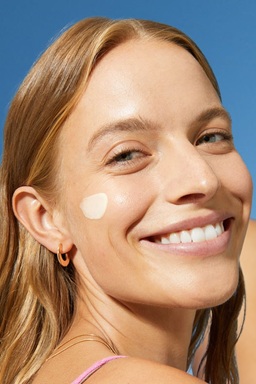
What Causes Freckles
& How They Form Explained
What Are
Freckles?
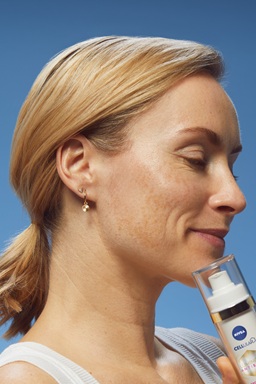
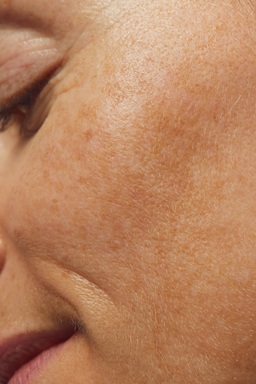
Freckles are small, flat areas of pigmentation that most often appear on sun-exposed skin such as the face, shoulders and arms. They form when melanin is distributed unevenly in the skin and are a normal variation in skin tone. Their appearance is shaped by genetics and sunlight exposure, which is why some people are more prone to freckles than others. Freckles often become more noticeable in summer and may fade in winter. While they can appear at any age, they are most common from childhood onwards¹.
What Causes
Freckles?
- Genetic Factors
Some people are naturally more prone to freckles due to inherited differences in pigment-producing cells. This is why freckles often appear in families and are more common in fair-skinned individuals².
- Sun Exposure
UV light stimulates melanin production, which can make freckles more visible or lead to new ones forming. This is why they tend to darken in summer and become lighter in winter. Over time, periods of increased sun exposure can also make freckles more noticeable, reinforcing the importance of avoiding prolonged direct exposure, wearing protective clothing and using a high-factor sunscreen regularly.
FACTS OVERVIEW
Freckles Causes:
Freckles are linked to genetics and UV exposure, which influence melanin activity in the skin.
Development:
They most often appear in childhood but can also become more noticeable later in life.
Prevention:
Using SPF regularly and limiting sun exposure could help reduce the likelihood of new freckles forming.
Care:
Gentle skincare and daily sun protection may help maintain an even-looking complexion.
Freckles (Ephelides) and Lentigines:
What's the Difference?
Not all spots on your skin are the same, and knowing the difference between freckles and lentigines can help you care for your skin more effectively. While both are caused by melanin, they differ in appearance, persistence and triggers, which influence how you might prevent or manage them3.
Classic Freckles (Ephelides)
Ephelides are the medical term for freckles. They are small, light brown, flat spots that typically begin in clusters during childhood and can sometimes develop later in life. Their appearance is shaped by inherited traits and sun exposure, which makes them more common in certain skin types, such as fair skin. They tend to become more pronounced with UV exposure and less visible during periods of reduced sunlight3.
Age Spots (Lentigines)
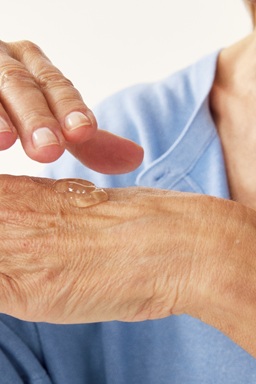
Lentigines are darker, slightly larger, isolated spots that are more persistent and typically maintain their pigmentation throughout the year. They often appear due to fair skin, repeated sun exposure or natural skin ageing.4 While usually harmless, lentigines are more common in mature skin and may slowly fade over time, but rarely disappear completely.
Staying attentive to these signs can support healthier-looking skin and help ensure early review of any changes6.

5-Point ABCDE Guide for
Monitoring Pigmented Spots Safely
Freckles, age spots (lentigines) and moles should be observed for changes that could indicate skin concerns. The ABCDE method5 is a simple guide:

- Asymmetry:
Both halves of a spot should look similar. Uneven halves may need a professional review.
- Border:
Irregular, jagged or bumpy edges could signal a potential concern.
- Colour
Spots with multiple shades may require closer observation.
- Diameter:
Growths larger than 6 mm might need checking by a healthcare professional.
- Evolving:
Growths larger than 6 mm might need checking by a healthcare professional.
How to Help
Prevent Freckles
While freckles are influenced by genetics and cannot be fully prevented, minimising the appearance of new freckles is possible by protecting skin from UV radiation and supporting it with a gentle skincare routine. Daily sun protection and mindful habits may help reduce excess melanin production, helping to maintain a more even-looking complexion over time1.
Sun Protection
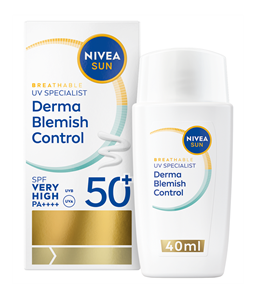
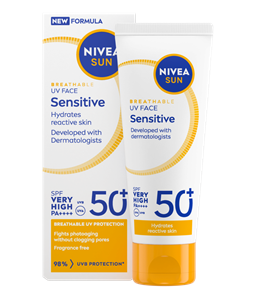
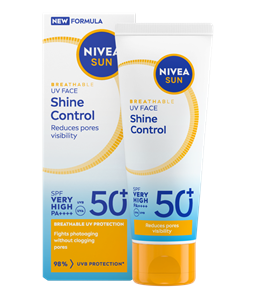
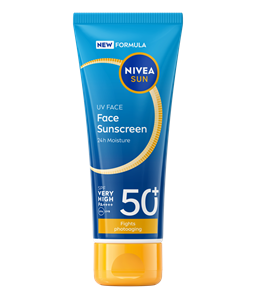
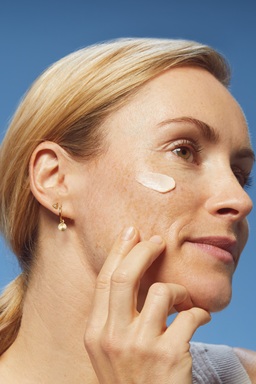
Regular SPF use helps protect skin from UV exposure, which can help reduce the likelihood of freckles becoming more noticeable over time and support a more even-looking complexion.
NIVEA offers different formulas and formats to suit individual needs and routines:
NIVEA BB Tinted Day Cream Light Skin Tone SPF15 50ml
This tinted BB moisturiser is great for a light skin tone. It provides light, natural-looking coverage and helps conceal imperfections such as signs of fatigue, blemishes, fine lines or colour spots, while SPF 15 helps protect against sunlight-induced skin damage and premature skin ageing. It intensively moisturises for up to 24 hours for an even, radiant-looking finish. SPF 15 offers everyday protection for lower sun exposure, but may need to be complemented with a higher SPF during prolonged or intense sun exposure.
UV Face Anti-Age Q10 Cream SPF 50
A lightweight daily sunscreen with high UVA/UVB protection. With Q10 and natural antioxidants, it helps prevent and fight the appearance of sun-induced fine lines, wrinkles and pigment spots, while supporting the skin’s natural defence against external stressors. Developed for normal to dry skin, the moisturising formula helps maintain a smoother-looking complexion and is ophthalmologically approved.
NIVEA SUN UV Specialist Silky UV Stick Sun Cream 15g
Experience UV protection made in Korea with our convenient breathable UV stick with SPF 50+. The fragrance-free, sweat- and waterproof formula in a teardrop shape is designed for targeted facial protection and hands-free reapplication on the go, with a light, non-greasy, invisible finish and no white residue. Ideal for high-exposure areas such as the nose, cheeks and forehead.

5 Daily Skin Care
Tips for Freckled Skin
Simple daily habits can help protect freckled skin and keep it looking healthy. Following a few mindful steps can support skin resilience and reduce the chance of new freckles forming.

- Avoid Peak Sun Hours
Limit exposure when UV rays are strongest, typically around midday.
- Moisturise After Sun:
Helps replenish moisture and keep skin feeling comfortable and hydrated.
- Embrace Your Freckles:
Light make-up can enhance natural beauty without heavy coverage.
- Enhance Subtly if Desired:
Brow pencil dots can create a soft freckled effect safely.
- Monitor Changes:
Keep an eye on your skin and consult a healthcare professional if you notice spots that are unusual in shape, colour or size⁷.