How to Grow a Beard:
Tips for Growth & Care
Growing a beard takes time, and results can vary from person to person. With patience and consistent care, you can help support your beard growth and make the most of its natural development, whether your goal is light stubble or a fuller beard1.
This guide explains how beard growth works, what can influence how quickly it grows, how long does it take to grow a beard, how to grow a thicker beard, how to grow a more even-looking beard, and whether it is possible to accelerate the process1.
How does
Beard Growth Work?

Beard growth begins when facial hair follicles become active, usually during puberty. This process is primarily driven by hormones such as testosterone, which signal the follicles to produce hair. However, the way follicles respond to these signals differs between individuals, which is why beard thickness, density, and growth speed can vary significantly.
Hair grows in cycles made up of growth, rest, and shedding phases, with each follicle following its own pattern. Because of this, early beard growth can often appear patchy or uneven before gradually becoming fuller over time as more follicles become active1.
4 reasons beard growth
varies between individuals
Beard growth can vary significantly between individuals due to a combination of biological and lifestyle factors. Understanding these differences can help set realistic expectations during the early stages of growth.
- Genetics can influence the density and evenness of facial hair growth.
- Hormonal sensitivity can affect how strongly follicles respond to testosterone.
- Age can impact how quickly and evenly facial hair grows over time.
- Skin condition may affect how facial hair looks during early growth stages2.
Beard Growth Essentials
Beard Growth Influences: Genetics, hormones, and age are the main factors that determine how facial hair develops. 1
Beard Growth Speed: Beard hair grows around 0.3β0.4mm per day, but visible fullness depends on follicle activity rather than speed alone.
Thickness Factors: Thickness is mainly determined by genetics and follicle density, which affect how full the beard appears.
Why Beard Growth May Be Patchy: Patchiness is common in early stages and is usually linked to uneven follicle activation.
How to grow
a Beard
Growing a beard begins with allowing facial hair to grow naturally without shaving and giving it time to progress. In the early stages, growth may appear uneven as different areas develop at different rates, which is completely normal and part of the natural process2.
BEARD GROWTH
Early beard growth follows a gradual progression as facial hair begins to emerge and develop over time. While the experience varies between individuals, the overall pattern tends to be broadly consistent.
- Initial stubble appears within a few days as facial hair first becomes visible.
- Uneven growth becomes noticeable as different areas develop at different rates.
- Itchiness and mild dryness may occur as the skin adjusts to new hair growth.
- Gradual softening and filling happens over time as the beard becomes fuller and more even-looking2.
4 factors that influence
Beard Growth Time
Beard growth timelines vary between individuals, with visible development typically taking place over weeks to months. The exact timing depends on genetics, age, and natural growth patterns.
Here are some of the key factors that influence beard growth time:
- 1Genetics:
Genetics and follicle distribution affect how evenly and densely facial hair grows.
- 2Age & Hormones:
Age and hormonal activity influence how actively follicles produce hair.
- 3Sleep & Nutrition:
Sleep quality and nutrition help support normal skin and hair function.
- 4Stress & Wellbeing:
Stress levels and overall well-being may affect natural hair growth conditions1.

5 ways to support
a More Even-Looking Beard
Beard thickness is mainly influenced by genetics, but simple grooming techniques can help create a more even and fuller-looking appearance.
- Allow sufficient growth time before trimming or shaping to let natural density develop.
- Trim regularly to maintain an even length and help reduce the appearance of uneven growth.
- Brush or comb the beard to help distribute natural oils and improve texture. A comb helps detangle longer beard hair, while a brush is often used for shorter beards.
- Keep edges defined for a structured appearance that enhances perceived fullness. Choose a style that suits your natural growth pattern.
- Keep the skin well hydrated and in good condition with regular skincare to support the normal function of the hair follicles1.
Beard styles
and Growth Goals
Beard styles are closely linked to natural growth patterns, density, and how facial hair develops over time. Choosing a style that aligns with your growth can help create a more balanced and intentional-looking appearance, especially during the early stages of growth. Patchy growth is very common at this stage and is usually part of the natural development process2.
- Light Stubble: Suitable for early growth stages where facial hair is just becoming visible, and coverage is still developing
- Short Beard: Helps create a more structured appearance and can blend uneven growth during mid-growth stages
- Fuller Beard: Requires more time and consistent growth to build even-looking density across the face. Best suited to men with naturally thicker facial hair and sufficient hair density.
Understanding your natural growth pattern can help set realistic expectations and guide styling choices that work with your beard rather than against it. As growth becomes denser over time, styles can be adjusted to reflect the natural progression of your beard. If you have sparse facial hair, styles such as a goatee or moustache can help complement your natural growth pattern and face shape2.
Beard growth care
Routine for Skin Comfort
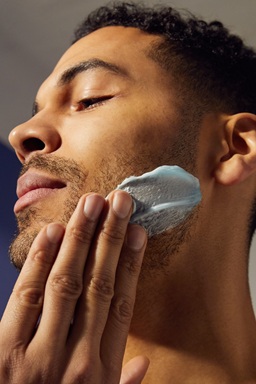
Sticking to a consistent skincare routine while you are growing a beard can help support comfort during beard growth and keep the skin beneath your facial hair looking healthy. In the early stages of how to grow a beard, skin can feel dry or sensitive, so focusing on gentle cleansing, hydration, and a delicate shave may help improve overall comfort and appearance3.
Here are some of the key steps that can help support skin comfort while your beard is growing:

- 1Start with a gentle cleanse
Cleansing helps remove sweat, oil, and daily impurities from the skin. This creates a clean base before grooming and helps support comfortable skin during beard growth.
- 2Gently shape beard lines
Depending on your desired beard length and how quickly it grows, you may need to shave at different intervals to keep the hair even and shape the contours of your beard. For a short beard or a close shave, it is recommended to use a shaving gel to help the razor glide more easily and protect the skin.
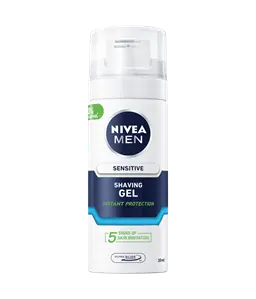
NIVEA MEN Sensitive Shaving Gel 200ml: has a 99% biodegradable, 0% alcohol* formula that is designed to soften beard hair for a close, smooth shave. Enriched with Chamomile, Provitamin B5 and Vitamin E, it provides instant protection against five signs of shaving irritation β burning, Redness, dryness, tightness and micro cuts β helping to keep skin comfortable and cared for while you are growing a beard.
- 3After shaving, support skin comfort with soothing hydration
NIVEA Men Sensitive Post Shave Balm: Helps instantly calm skin after shaving and provides 24-hour hydration. The formula with Vitamin E, Provitamin B5, and Chamomile Extract helps reduce dryness and discomfort, supporting a more comfortable skin feel after grooming.
- 1Cleansing
As with shaving, it is important to cleanse the skin daily to remove impurities and prepare it for the next steps in your skincare routine.
- 2Moisturising
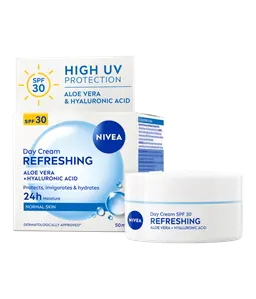
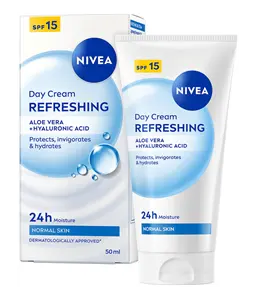
Moisturising is essential to help maintain healthy-looking skin while your beard grows.
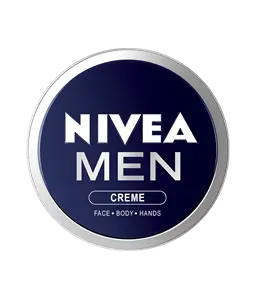
- For dull or tired-looking skin: NIVEA Men Skin Energy Moisturising Face Cream, enriched with naturally sourced Caffeine and Guarana. This moisturiser revitalises the skin, leaving it looking instantly hydrated, full of energy and vitality.
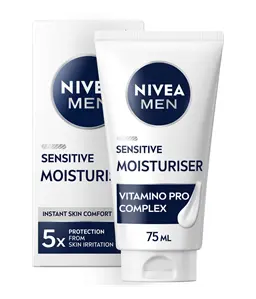
- For skin prone to dryness or irritation: NIVEA MEN Sensitive Moisturiser 75ml is fragrance-free and specially formulated to provide lasting hydration for sensitive skin. It helps protect against five signs of irritation β burning, Redness, dryness, tightness and Itchiness β for instant comfort and a light, non-sticky skin feel while you are growing a beard.

Summary
Beard growth is a natural process mainly influenced by genetics, hormones, and age. Most beards follow a similar progression, starting with early stubble, moving through uneven growth stages, and gradually becoming fuller over time. While beard growth cannot be directly accelerated, consistent skincare, healthy lifestyle habits, and patience may help support healthier-looking skin and improve the overall appearance of facial hair during the growth process.
FAQs
Beard growth usually becomes visible within a few days to weeks. A fuller beard typically takes several weeks to months, depending on genetics, age, hormones, and lifestyle factors. Early growth may appear uneven, which is completely normal. Depending on your genetic makeup, it may be more difficult for some people to grow a full beard. Thatβs completely normal. Different styles such as a goatee, moustache or short beard can help suit your face and personal look.
Beard hair grows around 0.3β0.4mm per day on average. However, visible growth depends more on density and follicle activity than speed, which is why beards can look different at each stage.
A three-day beard is short stubble of a few millimetres in length. It is an early growth stage where facial hair becomes visible but may still look uneven depending on density and growth pattern.
A full beard typically takes several months to grow, but this varies based on genetics, age and hormones. Some may see fuller coverage sooner, while others experience a slower build as facial hair gradually becomes denser. Itβs also worth noting that many men may not be able to grow a full beard due to genetic factors. If this applies to you, choose a style that works with your natural growth pattern and suits your face.
Beard growth is mainly determined by genetics and hormone sensitivity and cannot be changed through external products. However, a healthy lifestyle can support normal skin and hair function, including sleep, balanced nutrition, exercise, and consistent skincare. Choosing a beard style that suits your natural facial hair growth pattern can help you achieve the best results.
Natural support for beard growth focuses on maintaining healthy-looking skin and overall well-being. Hydration, sleep, nutrition, and stress management can all help support the condition of the skin and hair environment, but do not directly increase growth.
Patchy beard growth is common and usually caused by genetics and uneven follicle distribution. In the early stages, some areas may grow more slowly, but patchiness often becomes less visible as the beard grows longer. Depending on your facial hair growth, styles such as a goatee or moustache can be a good alternative to a full beard.
Shaving does not affect beard growth speed, thickness, or density. Hair grows from follicles beneath the skin, so shaving only removes surface hair and does not influence growth patterns.
Related
Products
Related
Articles
Sources :
- Hoover, E.; Alhajj, M.; Flores, J. L. Physiology, Hair. PubMed. https://www.ncbi.nlm.nih.gov/books/NBK499948/.
- Clinic, C. 5 Reasons Why You Canβt Grow a Beard. Cleveland Clinic. https://health.clevelandclinic.org/cant-grow-a-full-beard-theres-an-explanation-for-that.
- A dermatologistβs top tips for a healthy beard. www.aad.org. https://www.aad.org/public/everyday-care/skin-care-secrets/face/healthy-beard.