Dry and Chapped Lips:
8 Causes, Care and Prevention
Dry and Chapped Lips:
8 Causes, Care and Prevention
Find out what causes dry lips, how to help get rid of them, and discover NIVEA lip balms to help prevent dryness and keep your lips soft and healthy.
What are
Dry and Chapped Lips?
Dry lips, also known as chapped or cracked lips, are very common and can affect anyone, at any age. Dry lips occur when the skin on your lips becomes chapped, cracked, or irritated. Unlike the rest of your skin, lips do not have sebum or sweat glands to provide natural oil and moisture, which makes them more vulnerable to dryness. Knowing the signs of chapped lips is the first step to taking care of them and keeping your lips soft and healthy.

If you’re experiencing dry and cracked lips, you may notice one or more of the following symptoms:
- Dryness or tightness
- Flaking or peeling skin
- Rough or scaling lips
- Small cracks or splits
- Mild pain or discomfort
- Swelling
- Sores on the lips or in the mouth
- Bleeding in severe cases
8 Common Causes of
Dry Lips

Exposure to harsh environmental conditions can strip moisture from your lips, leading to dryness and cracking. This happens because cold air holds less humidity, while wind removes protective lip oils, leaving the delicate skin on your lips exposed and vulnerable.
UV rays can damage the delicate skin on your lips, causing them to become dry, red, and cracked. Since your lips have less melanin than the rest of your skin, they’re more sensitive to sun damage, which can lead to long-term dryness without proper SPF protection.
Not drinking enough fluids can lead to skin dehydration, which often manifests outwardly as dry lips. Your lips are one of the first areas to show this because they lack oil glands, making them highly dependent on internal hydration to stay soft and smooth. Adults are generally advised to drink around 2 to 2.5 litres of water per day to maintain healthy hydration levels, though individual needs may vary depending on activity, climate, and overall health.
Lack of essential nutrients like B Vitamins, Zinc, or Iron can cause lip irritation and dryness. These vitamins and minerals play a key role in skin repair and moisture retention, so when levels are low, lips can become cracked or irritated. B Vitamins support cell renewal, while Zinc and Iron help maintain a strong skin barrier and oxygen flow to tissues. Without enough of these nutrients, your lips may struggle to heal and stay hydrated.

Saliva evaporates quickly, leaving lips drier than before and potentially leading to irritation. This cycle can make dryness worse over time and may even cause soreness or small cracks around the mouth.
Sensitivity to certain foods, cosmetics, or medications can cause lip swelling and dryness. These reactions can also weaken the skin barrier, making your lips more prone to flaking, discomfort, and even painful cracks.
Allergic reactions can vary in severity. If you experience symptoms such as swelling, pain, or difficulty breathing, seek medical attention immediately. For ongoing or unexplained symptoms, consult a healthcare professional.
A range of skin conditions can affect lip health. These conditions often compromise the skin barrier or cause inflammation, which can make lips feel persistently dry despite using moisturising products.
If your lips remain dry, cracked, or uncomfortable despite regular care, it’s important to consult your doctor or dermatologist. Persistent symptoms may indicate an underlying medical condition that requires professional advice.
Some medications, such as those for skin conditions or high blood pressure, can cause dry lips as a side effect. This is because they may reduce saliva production or alter skin hydration, leaving lips without enough natural moisture.
If you are concerned that your medication may be causing side effects, contact your doctor or pharmacist. Never stop or adjust prescribed medication without professional guidance, as this could affect your health.
Note: These are some common causes of dry lips, but the list is not exhaustive. Other factors may contribute, and if you have persistent or severe symptoms, it’s best to consult a healthcare professional.

Facts Overview
Dry Lip Symptoms: Dry lips can feel tight, rough, or flaky, and may peel or develop small cracks. In some cases, lips can swell, feel mildly painful, or even bleed.
Chapped Lip Causes: Chapped lips can be caused by sun exposure, dehydration, vitamin deficiencies, irritating products, certain medications, or underlying health conditions.
Dry Lip Remedies: To help restore and protect your lips, use a lip balm with SPF for sun protection, stay well hydrated, and avoid licking or picking at your lips.
What to Put on
Dry Lips?
When your lips feel dry, cracked, or uncomfortable, a good way to help is to lock in moisture and protect them from further dryness. Look for products that contain moisturising ingredients like Shea Butter, Hyaluronic Acid, Glycerin and Vitamin E. These help to restore hydration and create a barrier against harsh weather or dry air.
For extra care, choose a lip balm with SPF protection during the day and a rich, nourishing formula for overnight repair. This simple step can make a big difference in keeping your lips healthy, soft, and hydrated.
What helps against
Chapped Lips
If your lips feel dry, cracked, or sore, the right care can make a big difference. Here are some simple but effective ways to help restore moisture and keep your lips healthy:

Lip balm works by forming a protective layer on the surface of your lips. This barrier locks in moisture while shielding your lips from external factors like wind, cold, or UV rays. Many lip balms also include emollients and humectants - ingredients that soften the skin and draw in hydration - helping to repair and soothe dry or cracked lips.
For long-lasting hydration and a smoother feel, the NIVEA Hyaluron Moisture Plus Lip Balm has an ultra-light formula enriched with Hyaluronic Acid, a powerful ingredient that binds water and helps your lips stay deeply hydrated for up to 24 hours*. Combined with natural oils, Shea Butter, and Vitamin E, it provides an immediate moisture boost, visibly smoother lips, and fewer fine lines. Perfect for everyday use, it absorbs quickly leaving your lips feeling nourished and cared for.
*100% of volunteers showed a moisture increase – instrumental measurement on 43 volunteers, used 2x daily for 5 days.
Sun exposure can make chapped lips worse because the skin on your lips is thinner and more delicate than other areas of your face. UV rays can quickly dry out lips, break down Collagen, and make existing dryness or cracks more painful. Using a lip balm with SPF 15 or higher before going outdoors helps protect against both UVA and UVB rays, reducing the risk of further dryness and potential long-term damage. Reapply every two hours to maintain consistent protection, especially if you’re eating, drinking, or spending time in water.
A great option is the NIVEA Sun Protect Lip Balm, which combines SPF 50 UVA/UVB protection with 24-hour hydration*. Its formula is enriched with ethically sourced Shea Butter and natural oils, helping to keep lips soft and supple while shielding them from harmful UV rays. The water-resistant, ocean-respect formula leaves no white cast, making it perfect for daily use or outdoor activities.
**Make sure to apply generously before sun exposure and reapply frequently, especially after swimming, towelling, and eating to maintain the protection. Avoid midday sun and extensive sun exposure.


Dry lips are often a sign that your body needs more fluids. Drinking enough water throughout the day - around 2 litres for most adults - helps keep your lips soft and supple while supporting overall skin health. Staying hydrated also aids in maintaining the natural moisture balance of your lips, making them less prone to cracking and irritation.
It can be tempting to lick your lips when they feel dry, but saliva evaporates quickly, leaving them even drier. Picking, biting, or peeling the skin can also cause irritation and slow down the natural healing process. Instead, apply a lip balm that helps protect and comfort your lips.
To give your lips that extra care, NIVEA’s Hyaluron lip balms provide lightweight hydration with a touch of glow:
- NIVEA Hyaluron Instant Sublime Glow
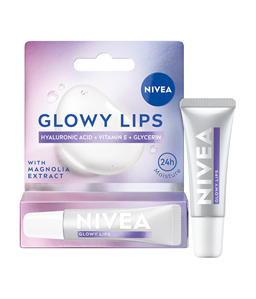
Helps enhance your lips’ natural radiance while providing lasting moisture. With Hyaluronic Acid, Vitamin E, Glycerin, and Magnolia extract, it leaves lips feeling smooth, soft, and comfortable without any heaviness or stickiness. The gentle formula is suitable for all skin types, making it an easy everyday choice.
- NIVEA Hyaluron Glow Berry Tinted Lip Balm
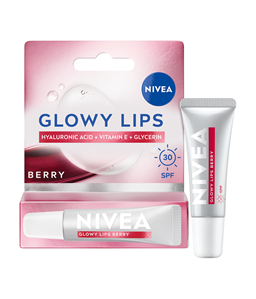
Adds a subtle hint of colour and a glossy finish while deeply hydrating. Enriched with Hyaluronic Acid, Vitamin E, and Glycerin, it helps keep lips supple and moisturised, while SPF 30 offers protection from the sun’s rays.

When to Seek
Medical Advice
If your chapped lips are persistent, painful, or not improving despite regular care, it is a good idea to consult your GP. In some cases, severe or chronic chapped lips can signal an underlying medical issue, so getting it checked early is the safest approach.
Summary
Chapped lips are common and occur when the delicate skin on your lips becomes dry, cracked, or irritated. They can be caused by factors like cold or windy weather, sun exposure, dehydration, vitamin deficiencies, frequent lip licking, or certain medications.
Fortunately, chapped lips are usually easy to prevent and treat. Regularly applying a nourishing lip balm, protecting your lips with SPF, staying hydrated, and avoiding licking can help restore moisture and soothe discomfort. Using products enriched with ingredients such as Hyaluronic Acid, Shea Butter, and natural oils keeps lips soft, smooth, and healthy, supporting overall lip care every day.