TAKE CARE WHEN THE SUN IS STRONG


Myth #1

The sun is strongest when it’s hottest

Temperatures usually peak slightly later in the afternoon and tend to vary more than UV levels throughout the day. On warm, sunny summer days, enjoying the weather later on can still be pleasant and may reduce the risk of burning. However, regardless of the time of day, if the UV level reaches 3 or higher, it’s important to take appropriate sun safety measures.

Myth #2

I can’t get sunburnt on cloudy days

You may hear this during gloomy UK summers, but it isn’t true! Harmful UV rays can still pass through clouds. Even on cloudy days, it’s important to check the UV index. If it reaches 3 (moderate) or higher, the sun can still be strong enough to cause sunburn, particularly for people who burn easily or have lighter skin tones.

Myth #8

The sun in the UK isn’t strong enough to give me sunburn

Sun exposure can still be high, especially between mid-March and mid-October. Even if it doesn’t feel warm or the day is cloudy, it’s easy to underestimate how strong the sun can be, so remember to check the UV index. A simple way to judge this is the ‘shadow rule’: if your shadow is shorter than your height, the sun is strong and it’s time to take extra care.

Myth #13

You can’t get sun damage through glass

While being indoors mostly protects you from sunburn caused by UVB rays, UVA rays can pass through glass and penetrate deeper into the skin. Spending long periods near windows, such as driving or sitting in a conservatory when the sun is strong, can increase the risk of long-term skin damage from UVA exposure.


Now that we’ve covered some common misconceptions, here are three simple steps we can all take to protect ourselves from strong sun, whether in the UK or abroad:

1. Seek shade
Especially between 11am and 3pm in the UK. Take breaks under trees, umbrellas or canopies, or head indoors.


2. Cover up
Wear clothes that cover your shoulders, along with a widebrimmed hat and UV protective sunglasses. The more skin covered, the better the protection.


3. Apply sunscreen
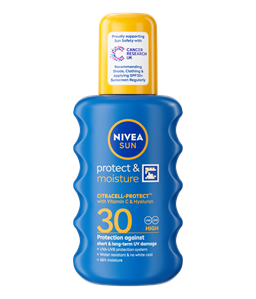
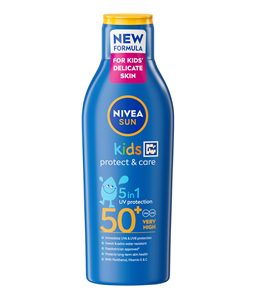
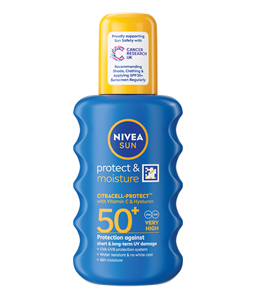
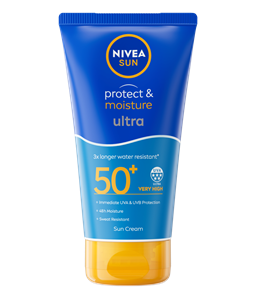
Use at least SPF 30 with 4 or 5 stars, and reapply regularly and generously, particularly after swimming, sweating or towelling.


Cancer Research UK is a registered charity in England and Wales (1089464), Scotland (SC041666), the Isle of Man (1103) and Jersey (247). A company limited by guarantee in England and Wales (4325234) and the Isle of Man (5713F). Registered address: 2 Redman Place, London EC20 1JQ.