two women smiling

How to Help Remove Sunscreen from the Skin

Discover how to keep your skin fresh and clean by removing sunscreen and UV filters from face and body with NIVEA’s cleansing products.

Daily sunscreen is important for protecting your skin, but it’s also important to remove it properly at the end of the day. This guide explains why SPF filter removal matters and how to effectively wash off sun cream from your face and body, to leave your skin clean and comfortable.

3 Reasons Why You Should Remove Sunscreen

Applying sunscreen daily protects your skin from UVA and UVB rays and helps prevent concerns such as hyperpigmentation, dryness, and uneven tone. However, because it can cling to the skin and mix with sweat, oil, and makeup, it is important to cleanse thoroughly at the end of the day. By doing so you can: 

  1. Maintain healthy-looking skin: Removing sunscreen residue from the skin helps to maintain clear, healthier-looking skin.
  2. Prevent Build-Up: Cleansing helps prevent sunscreen, oil, sweat, and pollutants from lingering on the skin, which may lead to clogged pores and blemishes. 
  3. Prepares Skin for Skincare: Removing sunscreen helps ensure that moisturisers and serums are absorbed properly, making your skincare routine more effective.

What Happens If SPF Filters Are Not Removed?

If sunscreen is left on overnight, the film of SPF, along with any oil, sweat, and debris, can stay on the skin for much longer than intended. Over time, this may lead to:

  • Dull or textured skin - Without proper cleansing, sunscreen residue may mix with impurities like dirt, pollution, or makeup, which can leave skin looking less fresh and smooth. 
  • Clogged pores and blemishes - When sunscreen mixes with oil and sweat, it may contribute to pore congestion, which can sometimes lead to breakouts and blemishes. 
  • Reduced absorption of serums and moisturisers - If not thoroughly cleansed, leftover sunscreen can create a layer on the skin that makes it harder for serums and moisturisers to work effectively.
How to Remove UV Filters

Facts Overview

Sun Protection Residue:
Sunscreen shields your skin from UVA and UVB rays, but some residue can remain even after washing with water.
Why Removing Sunscreen Matters: Not removing SPF filters may clog pores, dull the complexion, and reduce the effectiveness of your skincare products.
SPF Removal: Using gentle cleansers helps remove sunscreen from the face and body, lifting makeup, sweat, and impurities while limiting the risk of irritation.

How to remove sunscreen from the skin

How to Help Remove Sunscreen from the Face

Sunscreen is designed to stay on your skin for hours, so water alone isn’t always enough to remove it. That’s where cleansing comes in.
women smiling

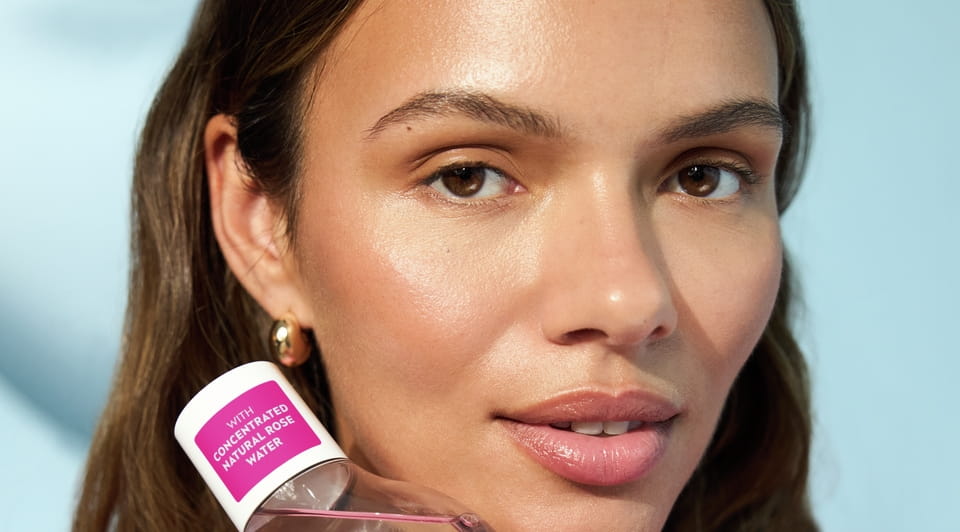
Step 1: Encapsulate sun filters with micellar water

Micellar Waters are effective cleansers and are specially formulated to help remove SPF filters without the need for harsh rubbing. They contain tiny Micelles which attract and remove sunscreen, dirt, and oil - helping to leave the skin feeling cleaner and more comfortable 

Try one of these NIVEA Micellar Waters to remove the SPF filters:

1. NIVEA Skin Glow Serum Infused Micellar Water 

Perfect for dull or sensitive skin, the NIVEA Skin Glow Serum Infused Micellar Water is enriched with Amino Acid Complex and 5% Serum with Vitamins C & E. It gently removes waterproof makeup, dirt, and SPF filters with just a few featherlight swipes. Clinically tested for brightening*, it hydrates, energises, and leaves skin looking smooth and glowy**. 
 
Tip: Use daily for an instant brightening effect and a more even complexion. 

*Brightening effect tested in an independent study 
** Dermatologically & ophthalmologically approved 


2. NIVEA Derma Skin Clear Micellar Water 

Ideal for blemish-prone skin, the NIVEA Derma Skin Micellar Water contains 5% Serum with PHA, Salicylic Acid, and Niacinamide. It effectively removes sunscreen, dirt, and waterproof makeup while refining pores, controlling oil, and reducing blemishes*. The formula leaves skin smoother, clearer-looking, and more comfortable. Clinically tested** for anti-blemish results, and safe for sensitive skin

Tip: Perfect for evening routines when you want to remove stubborn SPF and refresh the skin

*Self-grading, 41 women, 4 weeks regular use. 
** Dermatologically & ophthalmologically approved.

3. NIVEA Regenerating Serum Infused Micellar Water 

Designed for tired-looking or sensitive skin, the NIVEA Regenerating Serum Infused Micellar Water combines Amino Acid Complex with 5% Serum containing Panthenol & Squalane. It removes sunscreen, dirt, and waterproof makeup while restoring moisture and supporting overnight regeneration*. No rubbing is needed, just gently wipe across your face to leave skin feeling clean, hydrated, and prepped for a rested look in the morning**.  

Tip: Ideal for night-time cleansing to help skin regenerate while you sleep. 

*Regenerating effect has been clinically tested in a scientific study 
** The regenerating formula does not contain perfume, and its skin and eye compatibility is dermatologically and ophthalmologically approved. 
 
NIVEA Micellar Waters are specifically designed with your skin in mind. These gentle cleansers offer an easy and effective way to lift away SPF filters, makeup, and impurities, all while caring for your skin’s natural balance. With targeted formulas for dull, blemish-prone, and tired-looking skin, there’s a NIVEA Micellar Water to suit every skin type. 
women standing

Step 2: Following Up with a Gentle Cleanser

The bi-phase formula within the serum-based Micellar Water's mean that the second cleanse is optional. 

Micellar Water is great for breaking down sunscreen, makeup, and surface impurities. You can choose to follow up with a gentle cleanser. This second step helps wash away any remaining residue, sweat, or oil. Using a water-based cleanser ensures your skin feels clean without over-drying, leaving it fresh, balanced and ready to absorb the benefits of your serums and moisturisers.  

NIVEA offers a range of gentle yet effective cleansers to suit all skin types, from refreshing gels to gentle wash creams. Each is designed to lift away impurities while caring for your skin’s natural barrier, so you can choose the texture and formula that feels best for you.
What to wash off the sun cream with?

How to Help Remove Sun Cream from the Body

Sunscreen on the body, especially if it’s waterproof or sweat-resistant, can cling to skin for a long period of time. Simply rinsing with water often isn’t enough, so a gentle body cleanser can help to fully remove sun cream from the body. Although most cleansers help remove sunscreen, a two-step approach provides a deeper cleanse while being gentle on the skin.

1
Step 1: Break Down SPF with Cleansing Oil

Body cleansing oils can be a gentle and effective way to help break down sunscreen from the skin. When massaged onto damp skin, the oils interact with the sunscreen layer, helping to loosen it while keeping skin hydrated. This approach can make it easier to cleanse stubborn or water-resistant UV filters from larger areas like arms, legs, and shoulders when followed by a second cleansing to remove the oil.

2
Step 2: Follow Up with Shower Gel

Follow up with a cleansing shower gel or body wash and rinse thoroughly.  This additional step helps to remove any remaining sunscreen or oil. If needed, you can also use a gentle exfoliating cloth or body scrub once or twice a week to help keep skin smooth and prevent sunscreen build-up. The effectiveness of cleansing will depend on the type of product and the amount used.

For gentle cleansing, NIVEA offers a wide range of body cleansing products, including nourishing body washes and gentle Shower Creams enriched with oils such as Almond Oil, Jojoba Oil, Argan Oil, and Avocado Oil. These oils leave the skin soft and smooth.


Summary

Removing sunscreen properly is important to keep skin clean, and smooth. Even lightweight SPF can leave a residue that mixes with oil, sweat, and impurities on the skin. Over time this may lead to clogged pores or blemishes. 

Cleansing using Micellar Water is a simple and effective way to help remove sunscreen from the face, while gentle oil-based body cleansers may help to remove SPF filters from the body.

Frequently Asked Questions

Does double cleansing remove SPF filters?

Yes, double cleansing with an oil-based cleanser followed by a water-based cleanser can help remove sunscreen residue. Micellar water can also be used for one-step cleansing or as part of a double cleansing routine. 

What happens if you don’t wash sunscreen off your skin?

Leaving sunscreen on can lead to clogged pores, dull skin, and reduced effectiveness of skincare products.

Does Micellar Water remove sunscreen?

Yes, Micellar Water can effectively help remove sunscreen. It is designed to lift away makeup, dirt, oil, and even sunscreen, making it a suitable cleanser.

Does sunscreen come off with water?

No. Water alone isn’t usually enough to remove SPF protection, especially for waterproof or long-lasting formulas.

What removes sunscreen?

An oil-based cleanser or Micellar Water is especially effective at removing waterproof sunscreen and makeup.

Can UV filters Clog Pores?

Yes, it can. If sunscreen isn’t removed properly, residue can mix with oil and dirt, potentially clogging pores.